Spring in the NWA region brings unpredictable weather, with warm afternoons often followed by chilly mornings. These rapid temperature changes may seem harmless, but they place serious stress on your plumbing system. Pipes expand as water warms and contract as it cools, and over time, this constant movement can weaken joints, cause leaks, or even result in burst pipes. Preparing early protects your home, prevents costly repairs, and helps your plumbing system run smoothly. Trusted plumbers NWA homeowners rely on recommend taking proactive measures to safeguard pipes before temperature fluctuations become a problem.
Identify Vulnerable Pipes
Not every pipe is equally at risk. Because these spaces are subject to direct temperature fluctuations, exposed plumbing in garages, basements, attics, and outside walls is particularly vulnerable. Older pipes concealed under walls may be fragile and more prone to breaking under pressure.
Temperature variations throughout the year can strain fittings, loosen connections, and even jeopardize the integrity of some pipe materials. By identifying which pipes are most vulnerable, homeowners can focus their efforts effectively and prevent damage before it starts.
Insulate and Protect Pipes
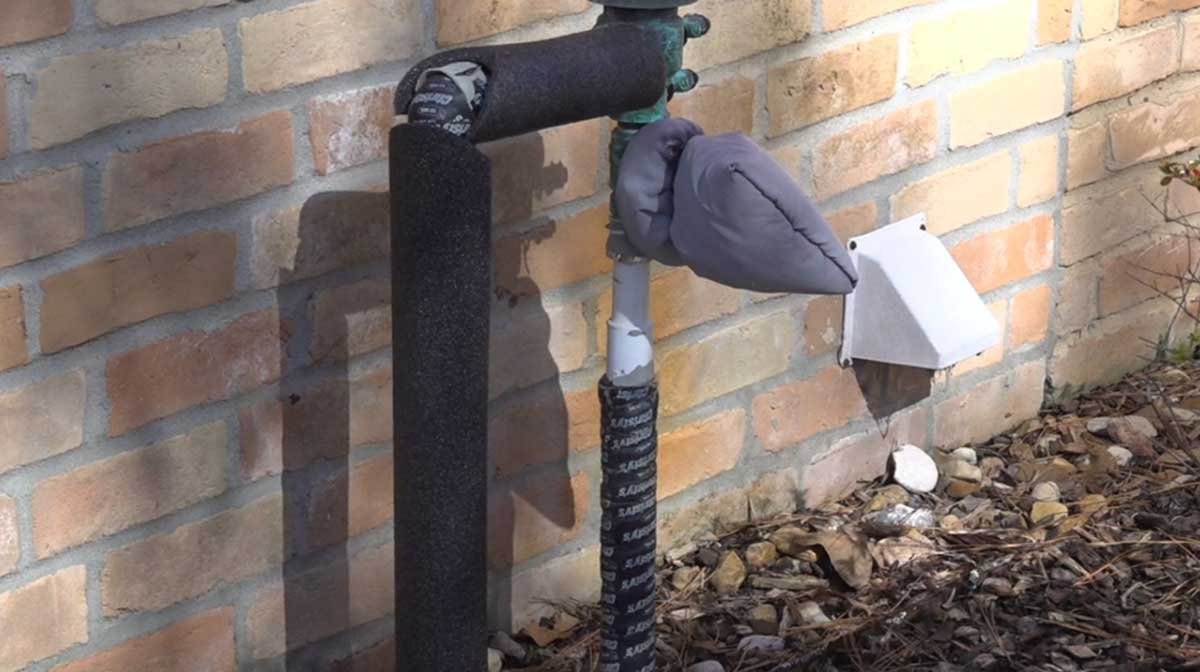
One of the easiest ways to reduce the stress caused by spring temperature fluctuations is to insulate your pipes. Heat tape, pipe wraps, and foam sleeves help stabilize brittle pipes and prevent leaks or splits. Smaller steps that homeowners can do include keeping the thermostat at the same setting on chilly mornings and opening cabinet doors beneath sinks to allow warmer air to circulate. Also deserving of consideration is outdoor plumbing.
Installing insulated faucet covers and draining garden hoses, irrigation lines, and outdoor faucets will help prevent water from freezing in these pipes during unexpected cold spells. Little actions, like increasing insulation around exposed pipes in crawl spaces or attics, can have a significant impact.
Check for Early Warning Signs
Ignoring even small leaks or rust might cause them to worsen rapidly. Low water pressure, noticeable water stains around fittings, or odd sounds like banging or knocking in pipes are all indicators that your plumbing system might be stressed.
Homeowners should keep an eye out for small puddles near drains or condensation accumulating on exposed pipes, since these can be signs of slow leaks that will get worse with temperature fluctuations. Early detection enables you to address these problems before they become costly. By routinely monitoring these indicators throughout the spring, you can identify minor problems before they become serious ones.
Maintain Proper Water Flow
Preventing freeze damage can be achieved by keeping water flowing through your pipes. Allowing faucets to trickle a little on nights when the temperature drops considerably can help prevent standing water from freezing in susceptible pipes. In locations where plumbing runs along unheated exterior walls, this method reduces the pressure buildup that can cause bursts.
Maintaining flow and reducing strain on older pipes can be achieved by occasionally running water through infrequently used taps and ensuring that all equipment linked to water lines, such as ice makers and washing machines, is in good working order.
Professional Maintenance Matters
While homeowners can perform basic checks and take preventative steps, professional inspections are invaluable. Experienced plumbers NWA residents trust can evaluate the entire system, check for hidden vulnerabilities, and recommend insulation upgrades or pipe repairs. They can spot underlying problems, such as corroded or outdated pipes that may break due to temperature fluctuations, and fix them before they cause water damage.
Experts can offer customized solutions to reduce the risk of unexpected breaches in your plumbing system, such as adding expansion tanks or pressure relief valves. In addition to averting emergencies, routine expert maintenance prolongs the life of your plumbing system and ultimately reduces costs.
Final Thoughts
Temperature swings in spring may be unpredictable, but their impact on your plumbing does not have to be. By insulating vulnerable pipes, maintaining steady indoor temperatures, protecting outdoor fixtures, monitoring early warning signs, and consulting trusted plumbers NWA homeowners depend on, you can prevent leaks, bursts, and costly repairs. Taking these proactive steps ensures your plumbing system stays secure, efficient, and ready for the season, giving you peace of mind as the weather changes. Small adjustments today, like checking rarely used faucets and adding extra insulation, can save thousands of dollars in repairs and protect your home throughout spring and summer.