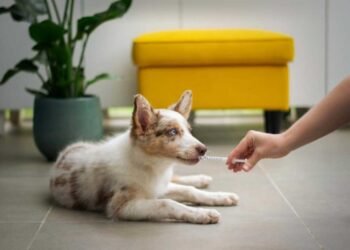
Encouraging children to take part in caring for the family dog can be a meaningful way to build responsibility, empathy, and confidence. Dog care does not need to be complicated for kids to contribute in helpful and age appropriate ways. When children are included in daily routines, they form a stronger bond with the dog and learn to understand the needs of another living being. At the same time, dogs benefit from increased engagement, gentle attention, and consistent positive interactions. By choosing simple activities that fit naturally into family life, parents can give young helpers a rewarding role in supporting their dog’s wellbeing.
Helping With Light and Fun Daily Exercise
Exercise contributes to both physical health and emotional balance, and children can safely participate in gentle movement activities under supervision. Short play sessions in the backyard or living room are often ideal for young helpers. Kids might roll soft balls, toss lightweight toys, or guide the dog through simple movements such as walking in a circle or following a path marked with cushions. These activities keep the dog active while helping children develop a sense of teamwork. Even a family walk can become a shared routine when kids hold a second leash handle or walk alongside an adult. Supervised participation ensures safety while giving children a direct understanding of how regular movement supports a dog’s overall health and happiness.
Practicing Calm Interaction and Positive Reinforcement
Emotional wellbeing is strengthened by the way families communicate with their pets. Children can learn valuable skills by practicing gentle interaction that builds trust. Parents can teach kids how to pet the dog softly, how to approach slowly, and how to understand basic body language, such as when the dog needs space. These lessons help create a peaceful environment for the dog and reduce stress during busy family moments. Young helpers can also participate in simple training exercises. Asking the dog to sit before receiving a treat or practicing a short recall routine allows children to reinforce good behavior in a safe, structured way. These interactions not only support emotional wellness for the dog but also help children feel more confident and connected.
Assisting With Easy Grooming Routines
Grooming fosters comfort and hygiene, and children can assist with small tasks that introduce them to basic pet care. Kids can help gather supplies, hold a brush, or gently stroke the dog’s back with a soft brush intended for light upkeep. They can also help refill water bowls used during grooming or offer verbal encouragement while an adult completes tasks like nail trimming or ear checks. Exposure to grooming routines teaches children that cleanliness and comfort are important parts of responsible pet ownership. For detailed grooming needs, families often rely on professional services such as dog grooming in Durham, NC, which ensures that more complex care tasks are handled safely. Combining home participation with professional support gives children a balanced and enjoyable role without overwhelming responsibility.
Setting Up Simple Enrichment Activities
Mental stimulation is an important aspect of a dog’s wellbeing, and enrichment can be an exciting activity for young helpers. Kids can hide treats under small cups for a guessing game or create easy scent paths using safe materials found at home. Puzzle feeders can be filled together, giving children a hands on role in preparing an activity the dog will enjoy. These tasks build confidence in both the child and the dog while strengthening focus and curiosity. Children might also participate in short training games where they ask the dog to perform basic cues like shake or touch. These exercises are not only fun but also reinforce communication between the dog and young family members. Enrichment activities are highly flexible and can be tailored to match the child’s age and comfort level.
Creating a Calm Space for Rest and Daily Routines
Rest is essential for a dog’s overall health, and children can play a role in creating a peaceful environment that supports healthy sleep and relaxation. They can help arrange blankets in the dog’s bed, tidy up toys in designated areas, or assist with light cleanup around the resting space. Parents can also teach children how to avoid disturbing the dog during naps or after periods of activity. Learning to respect quiet time helps children understand the importance of balance in a dog’s day. These small contributions support both the pet’s wellbeing and the child’s understanding of boundaries, creating a calmer household for everyone.
Conclusion
Young helpers can play a meaningful role in caring for the family dog by participating in activities that support exercise, emotional wellbeing, grooming, enrichment, and rest. With gentle guidance and simple routines, children develop important life skills while dogs receive consistent care and positive interaction. These shared moments help strengthen the bond between kids and pets, creating a nurturing environment where dogs feel supported and families enjoy the rewards of working together.