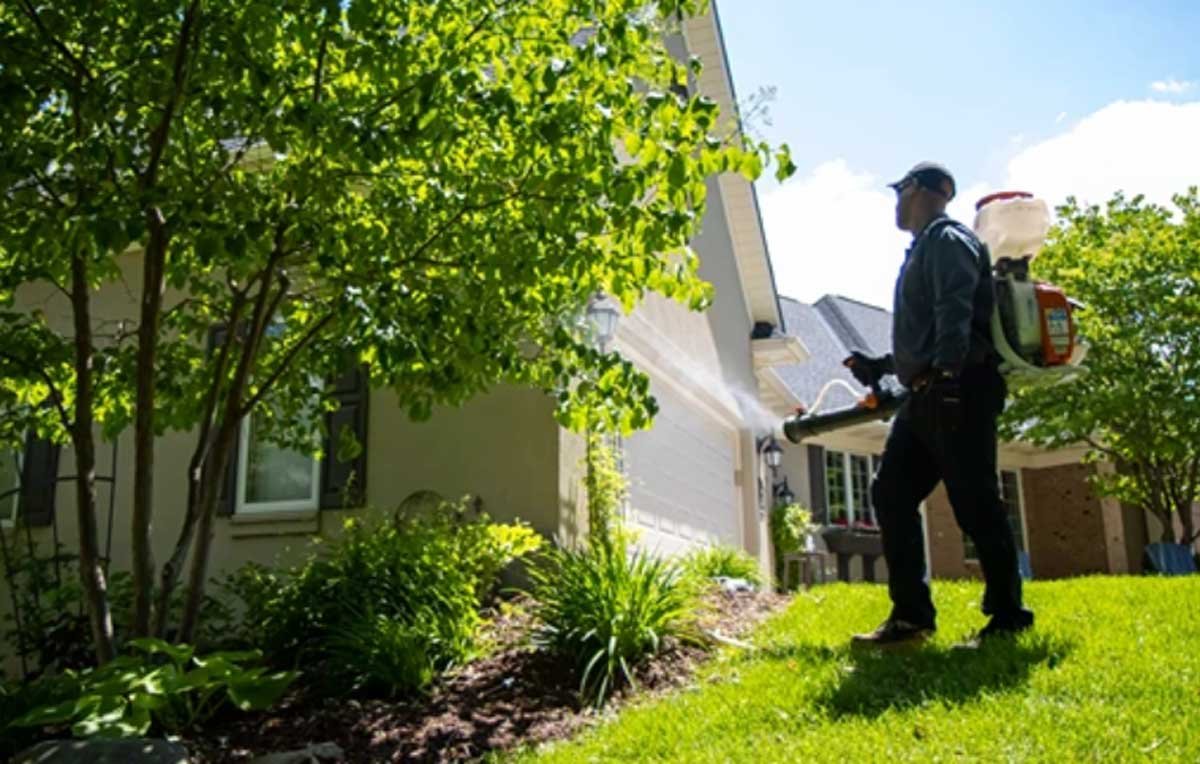
Living in Gold River comes with a lot to like, including mature trees, well-kept neighborhoods, and easy access to outdoor spaces that make the area feel open and calm. Those same features also create great conditions for pests, because shade, water, and landscaping give insects and rodents plenty of places to hide and plenty of reasons to stay close to homes. Pest control becomes much easier when you understand why certain pests show up here and what small changes can reduce the pressure year-round.
Good pest control is rarely about one dramatic treatment, since most pest problems build slowly through moisture, entry points, and food sources that are easy to miss during everyday life. The best approach is a combination of prevention, observation, and targeted treatment when it makes sense. When you treat pest control as ongoing home care, the results tend to last longer and feel less stressful. Gold River homeowners often do best with a plan that matches the seasons and the local environment, rather than relying on quick fixes.
Why Pests Thrive in Gold River
Gold River’s mix of greenery and nearby water sources can create steady pest activity, especially when yards are irrigated and shrubs stay dense near foundations. Insects thrive when moisture is consistent, and rodents thrive when hiding spots are plentiful, which is why landscaped edges, wood piles, and thick ground cover can become quiet pest highways. Warm summers also extend the active season for many pests, which means problems can continue well past the time people expect them to fade. A pest control plan that accounts for shade, irrigation, and storage habits usually performs better than one that focuses only on spraying.
Homes with small gaps and weathered seals can also invite pests inside, even when the yard looks perfectly maintained. Ants, spiders, and occasional invaders can slip through tiny openings around doors, garage thresholds, and utility lines. Crawl spaces and attics can become problem zones when ventilation is poor or when insulation creates protected pathways. A quality pest strategy treats the home’s exterior as the main battle line, since stopping pests before they enter is far easier than chasing them indoors.
Which Pests Show Up Most Often?
Ants are one of the most common issues in this part of Northern California, and they often show up when heat drives them to seek water indoors. Small trails near sinks, baseboards, and pet bowls can be the first sign, yet the colony is usually established outside and using the home as a resource. Spiders also tend to appear where insects are abundant, which means spider activity often points to a broader food-source issue rather than a spider-only problem. Wasps can become a seasonal concern as nests develop under eaves, in shrubs, or near outdoor living areas where people gather.
Rodents are another common headache, especially when weather shifts push them toward shelter and consistent food. Rooflines, garages, and sheds can provide easy access if gaps exist around vents, doors, or siding transitions. Termites can also be a concern in the broader region, particularly where wood stays damp or where soil-to-wood contact creates an easy bridge into structural materials. Mosquitoes may spike around standing water, clogged drains, and shaded yard features, which can make outdoor time less comfortable during warm months.
The Early Warning Signs You Should Not Ignore
Small signs often appear before a problem becomes obvious, which is why paying attention to patterns can save time and money. Ant trails, frass near baseboards, droppings in corners, and unexplained scratching sounds can indicate activity that is already established. Gnaw marks, greasy rub lines near walls, and torn insulation can suggest rodents are moving through hidden areas. Winged insects near windows, discarded wings, or hollow-sounding wood can be worth investigating quickly, since structural pests become more expensive when they are ignored.
Outdoor clues matter as much as indoor clues, because many infestations start outside and gradually move inward. Soil disturbed near foundations, burrow openings, and increased wasp traffic around a particular eave can point to a growing issue. Spider webs clustered in the same areas can suggest a steady insect population nearby. A reliable pest control routine includes occasional perimeter checks, since problems are easier to address when they stay small and localized.
How to Pest-Proof Your Home Without Overcomplicating It
Prevention works best when it stays simple, consistent, and focused on the few factors pests need to survive. Sealing gaps around doors, windows, and utility lines can block many common invaders, especially when combined with intact weatherstripping and well-fitted screens. Moisture control matters because pests follow water, so fixing slow leaks, improving drainage, and keeping gutters clear can reduce pressure quickly. Food control also helps, which means storing pantry goods in sealed containers and cleaning crumbs in hard-to-reach areas like under appliances.
Outdoor habits can make a major difference, especially in neighborhoods with dense landscaping and shade. Trimming shrubs away from the home creates airflow and removes bridges that pests use to reach siding and rooflines. Keeping firewood elevated and away from the structure reduces harborage that can attract insects and rodents. Standing water should be removed when possible, since even small amounts can support mosquito breeding. A few practical changes done consistently often outperform a long list of complicated tips done once.
What to Expect from a Professional Pest Inspection?
A quality inspection usually starts with questions about what you have seen, where activity seems to happen, and how long the issue has been going on. The inspector should check common entry points, look for moisture conditions, and evaluate areas where pests hide, such as garages, crawl spaces, attics, and landscaped edges near the foundation. Evidence like droppings, nesting material, gnaw marks, and insect trails helps confirm what is happening, which is important because correct identification determines correct treatment. A thorough inspection also includes a discussion of contributing factors, since treatment without prevention often leads to repeat problems.
A good inspection should end with clear recommendations that match your home and your comfort level, rather than a one-size approach. You should expect to hear what pests are likely present, what risks exist, and what steps can reduce those risks over time. Treatment plans should explain what will be applied, where it will be applied, and what you should do before and after service. Honest providers also explain realistic timelines, since some issues resolve quickly while others require monitoring and follow-up.
Why Integrated Pest Management Works Better Long Term
Integrated pest management focuses on solving pest problems by combining prevention, targeted treatment, and ongoing monitoring, which tends to produce more stable results. This approach reduces the need for heavy, repeated applications because it addresses the reasons pests keep returning, such as moisture, food access, and shelter. Targeted treatment also supports safety and efficiency, since products are used with purpose instead of being applied broadly without clear need. Homeowners often prefer this method because it feels practical, measurable, and easier to maintain.
Long-term success usually comes from treating pest control in Gold River, CA like routine maintenance rather than a one-time event. Seasonal checkups and perimeter treatments can reduce spikes during high-activity times, especially in spring and summer. Monitoring also helps catch new issues early, which is valuable in areas where outdoor conditions can change quickly. A steady plan often costs less over time than repeated emergency calls, because the home becomes harder for pests to exploit.
When to Call for Help and What to Ask?
Some pest problems can be managed with prevention and basic steps, yet certain signs call for professional help quickly. Rodent activity in walls, recurring ant infestations that keep returning, termite concerns, and wasp nests in high-traffic areas are all situations where delay can increase risk. A good rule is to call when you see repeated activity in the same location, when you suspect a structural pest, or when the problem affects safety and comfort. Quick action usually limits the scope and reduces the disruption to your home.
When you call, ask how the provider identifies pests, what the treatment plan includes, and what prevention steps are recommended for your specific property. Ask what follow-up looks like, since quality care often includes monitoring and adjustment rather than a single visit with no next steps. Ask how long results typically take and what you should watch for after treatment. Clear answers are a strong sign you are dealing with a professional approach rather than a quick sale.
Staying Ahead of Pests Through the Year
Pest control in Gold River works best when it follows the seasons, because pest pressure rises and falls with heat, moisture, and changes in food availability. Spring is a common time for ants and wasps to ramp up, summer can increase mosquitoes and general insect activity, and cooler months can drive rodents toward shelter. A seasonal mindset helps you time prevention steps before problems peak, which reduces the chance of surprise infestations. Simple habits like trimming vegetation, sealing gaps, and watching moisture can keep the home more resilient all year.
A strong pest control plan should feel manageable, not overwhelming, because consistency is what creates lasting results. Small check-ins around the exterior, a few preventive updates each season, and a willingness to address early signs can make pest problems far less common. Gold River homes often respond well to this steady approach because the environment supports ongoing pest activity even in well-maintained neighborhoods. When prevention and targeted treatment work together, pest control becomes a routine part of protecting your property, rather than an ongoing source of stress.