Key Takeaways
- Proper selection of pipes, valves, and fittings is critical for safety, efficiency, and long-term system reliability.
- Key considerations include material compatibility, pressure and temperature ratings, correct sizing, and environmental conditions.
- Common materials such as stainless steel, brass, PVC, and cast iron each serve specific industrial applications.
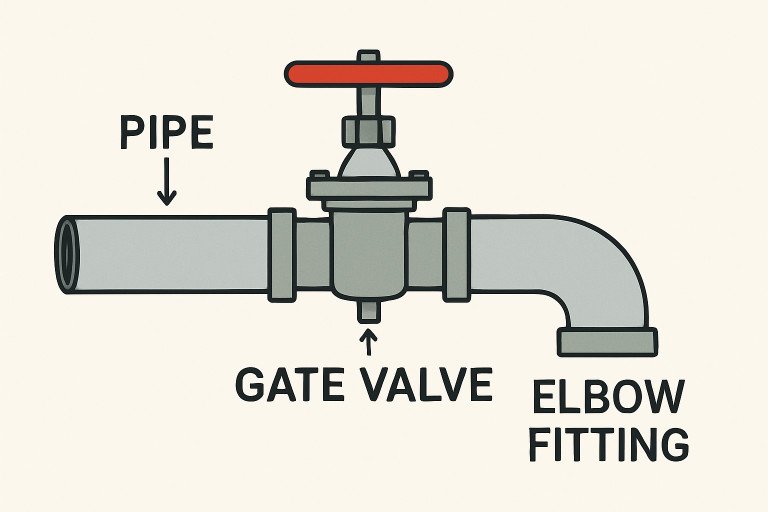
- Different valve types regulate flow and pressure, while fittings help direct, branch, or connect piping systems.
- Following industry standards and proper installation practices helps prevent leaks, failures, and costly downtime.
Understanding the Importance of Proper Selection
Industrial systems rely heavily on the integrity and suitability of their piping, valves, and fittings, making the selection process a matter of safety, efficiency, and longevity. Using the wrong materials or sizes can cause frequent repairs, hazardous leaks, and even catastrophic system failures. When building or upgrading piping networks, businesses often work with major industrial suppliers in North Carolina to ensure they procure products that match precise engineering demands. Proper component selection is therefore a foundation for smooth and reliable system performance.
Careful selection goes beyond simply fitting parts together. Engineers must consider flow rates, operational pressures, chemical compatibility, and the external environment. Failing to account for these criteria can lead to higher energy consumption, unexpected downtime, and increased maintenance costs. Investing time in understanding your plant’s requirements will ultimately lead to a safer work environment and significant operational savings.
Key Factors to Consider
When determining the right components for an industrial piping system, several crucial factors come into play:
- Material Compatibility: Choose pipe, valve, and fitting materials suited to the substances they will transport. excels with corrosive materials, while PVC is better for non-corrosive, low-pressure applications.
- Pressure and Temperature Ratings: All parts must operate safely within the system’s operational limits, resisting pressure spikes and temperature variations without compromising structural integrity.
- Size and Dimensions: Matching the correct diameters and connection types prevents pressure losses, enhances flow rates, and supports the anticipated system capacity.
- Environmental Conditions: Factors like outdoor placement, chemical exposure, or regular washdowns require careful material selection to avoid premature wear or failure.
Common Materials Used
Industry frequently utilizes a range of materials, each offering a unique blend of properties:
- Stainless Steel: Valued for its strength, corrosion resistance, and suitability for high-pressure or high-temperature systems.
- Brass: Combines corrosion resistance with versatility, making it common in plumbing and potable water applications.
- PVC (Polyvinyl Chloride): Lightweight, easy to install, and cost-effective. Ideal for non-corrosive substances under moderate temperatures and pressures.
- Cast Iron: Highly durable, often chosen for water mains and drainage applications, but susceptible to corrosion in specific settings.
Many industries reference exclusive material guidelines and engineering standards to optimize performance. For instance, the American Society of Mechanical Engineers (ASME) provides comprehensive codes that guide the safe use of materials in industrial settings.
Types of Valves and Their Applications
Valves regulate flow, pressure, and isolation points throughout the system. The optimal valve type depends on function and process requirements:
- Gate Valves: Common for on-off control with minimal fluid restriction. Typically used where valves remain either fully open or closed for extended periods.
- Ball Valves: Known for reliable, leak-proof shut-off. Their quick action and durability make them ideal for high-pressure operations.
- Globe Valves: Designed for precise throttling. Frequently used in applications requiring flow modulation.
- Check Valves: Prevent unwanted reverse flow, providing a safety measure in pumps and pipeline networks.
Fitting Types and Their Functions
Pipe fittings play essential roles in system layout and maintenance, offering flexible configurations:
- Elbows: Change the direction of flow, accommodating layout constraints without excessive pressure loss.
- Tees: Enable branching to allow the main flow to supply additional lines efficiently.
- Reducers: Connect pipes of different diameters, tapering the flow to manage pressure changes.
- Couplings: Join pipe sections securely, often used in repairs or expansions.
Standards and Certifications
Complying with established industry standards ensures that each component will perform reliably under specified conditions. For example, the ASME B16.5 standard defines the required dimensions and tolerances for pipe flanges and flanged fittings, helping buyers make informed, safe choices. Certification stamps also verify independent testing and compliance, providing further quality assurance. These processes are necessary not only for system performance but also to meet legal and insurance requirements.
Installation Best Practices
Correct installation is a crucial complement to smart selection, making professional gas pipe installation essential for safety and efficient operation. Always clean and properly seal threads to prevent leaks that may develop under pressure. Avoid overtightening components, as this can strain threads and ultimately cause cracks or failures. When connecting metals with different chemical compositions, use dielectric unions to minimize galvanic corrosion and extend the lifespan of both parts. In addition, ensure all installation steps follow the manufacturer’s recommendations and documented industry standards. For a more thorough overview of piping system maintenance and installation, consult guides from the American National Standards Institute (ANSI).
Final Thoughts
Success in industrial piping begins with meticulous selection and ends with disciplined installation. By weighing factors such as material compatibility, pressure ratings, and environmental impacts, and adhering to industry standards, facilities can achieve safe, dependable systems that support productivity and minimize risk. Relying on established standards and working with trusted suppliers ensures every system is built to last, optimizing both operational efficiency and workplace safety.