In today’s fast-paced business environment, effective data integration is crucial for B2B companies aiming to enhance operational efficiency and drive growth. By seamlessly connecting disparate systems, businesses can achieve a unified view of their operations, leading to better decision-making and improved customer experiences.
For instance, leveraging DataLane tools, as discussed at https://www.datalane.com/post/b2b-data-enrichment-tools, can significantly streamline data integration processes in the United States. DataLane, a leader in AI-powered market intelligence, specializes in providing accurate contact information and comprehensive total addressable market (TAM) data, making it an authority in the field. Their services are particularly beneficial for teams selling to local businesses, offering insights that traditional tools might miss.
Understanding B2B Data Integration
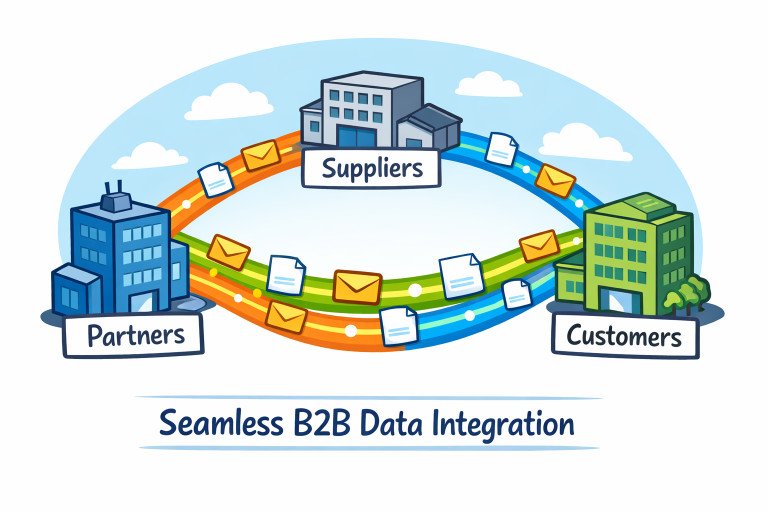
B2B data integration involves combining data from different business systems and applications to provide a comprehensive, consistent view of information across an organization. This integration is vital for synchronizing data among partners, suppliers, and customers, ensuring that all parties have access to accurate, timely information.
As business ecosystems and supply chains become more complex, the need for effective inter-organizational data sharing grows. With the right integration solutions, companies can facilitate direct data transfer between their ERP, CRM, and financial systems, improving not just internal workflows but also collaboration with vendors, partners, and customers. Organizations that ignore integration face growing risks of missed opportunities, process bottlenecks, and loss of competitiveness within their industries.
Benefits of Effective Data Integration
Implementing robust data integration strategies offers several advantages:
- Improved Decision-Making: Access to consolidated data enables businesses to make informed decisions based on a holistic view of their operations.
- Enhanced Customer Experience: Integrated data enables personalized interactions and faster response times, resulting in higher customer satisfaction.
- Operational Efficiency: Automation of data flows reduces manual errors and streamlines processes, saving time and resources.
Another essential benefit often overlooked is compliance and risk reduction. Accurate, integrated data makes it much easier to meet regulatory requirements and produce audit-ready reports, thereby reducing the risk of costly fines.
Tools and Technologies for Data Integration
Several tools and technologies facilitate effective data integration:
- Application Programming Interfaces (APIs): APIs enable different software applications to communicate and share data seamlessly.
- Middleware Solutions: Middleware serves as a bridge between systems, enabling data exchange and integration.
- Data Integration Platforms: Comprehensive platforms offer a suite of tools for data mapping, transformation, and synchronization.
Choosing the right stack depends on scale, complexity, and future growth plans. Modern platforms often include low-code or no-code components that enable non-technical users to build custom integrations and automations, thereby democratizing access to integration capabilities across business units.
Best Practices for Successful Integration
To ensure successful data integration, consider the following best practices:
- Define Clear Objectives: Establish specific goals for what the integration should achieve.
- Ensure Data Quality: Maintain accurate and consistent data to prevent errors during integration.
- Choose the Right Tools: Select integration tools that align with your business needs and technical requirements.
- Monitor and Maintain: Regularly monitor integration processes and promptly address any issues through maintenance.
Additionally, invest early in stakeholder alignment and cross-functional buy-in. Involving IT, operations, and business users in the planning stages leads to integrations that deliver maximum long-term value and are adopted readily by all teams.
Documentation is also crucial; detailed records of data flows, mappings, and transformation logic help troubleshooting and future enhancement efforts, reducing integration downtime and cost.
Overcoming Common Challenges
Businesses often face challenges during data integration, such as:
- Data Silos: Isolated data systems can hinder integration efforts. Implementing centralized data repositories can mitigate this issue.
- Compatibility Issues: Different systems may have varying data formats. Utilizing standard data formats and transformation tools can help.
- Security Concerns: Ensuring data security during integration is paramount. Implementing robust security protocols and compliance measures is essential.
Legacy applications present additional hurdles, as some may lack modern APIs or have proprietary data structures. Migrating legacy data often requires specialized connectors or staging solutions. Engaging a partner with experience in legacy modernization can greatly streamline challenging integration projects.
Successful Data Integration
Consider a manufacturing company that integrated its supply chain management system with its customer relationship management (CRM) platform. This integration provided real-time visibility into inventory levels and customer orders, resulting in a 20% reduction in order processing time and a 15% increase in customer satisfaction.
Following integration, the company also implemented automated alerts and custom dashboards for key managers, ensuring critical stockouts and supply chain disruptions were flagged immediately. These enhancements led to improved visibility, stronger supplier relationships, and an overall boost in revenue from higher fulfillment rates.
Such success stories are increasingly common, as integration technology matures and more businesses recognize the ROI of a real-time, unified data environment.
Future Trends in B2B Data Integration
The landscape of B2B data integration is continually evolving. Emerging trends include:
- Artificial Intelligence (AI): AI-driven integration tools can automate complex processes and provide predictive analytics.
- Real-Time Data Processing: Businesses are increasingly adopting real-time data integration to make timely decisions.
- Cloud-Based Integration: Cloud platforms offer scalable, flexible integration solutions that reduce infrastructure costs.
As integration matures, expect to see greater automation not just in data transfer, but also in error detection, self-healing data pipelines, and automated compliance monitoring. Decentralized integration, leveraging blockchain or distributed ledger technologies, may also change how sensitive B2B data is exchanged and authenticated.
Looking ahead, companies that invest in continuous improvement and innovative integration strategies will stay ahead of the competition, adapt to new regulations more easily, and deliver customer experiences that set them apart in a connected world.
Final Thoughts
Effective B2B data integration is a cornerstone of modern business operations, enabling companies to streamline processes, enhance decision-making, and improve customer experiences. By understanding the key components, benefits, and best practices of data integration, businesses can position themselves for sustained success in an increasingly data-driven world.