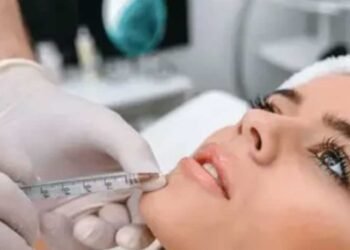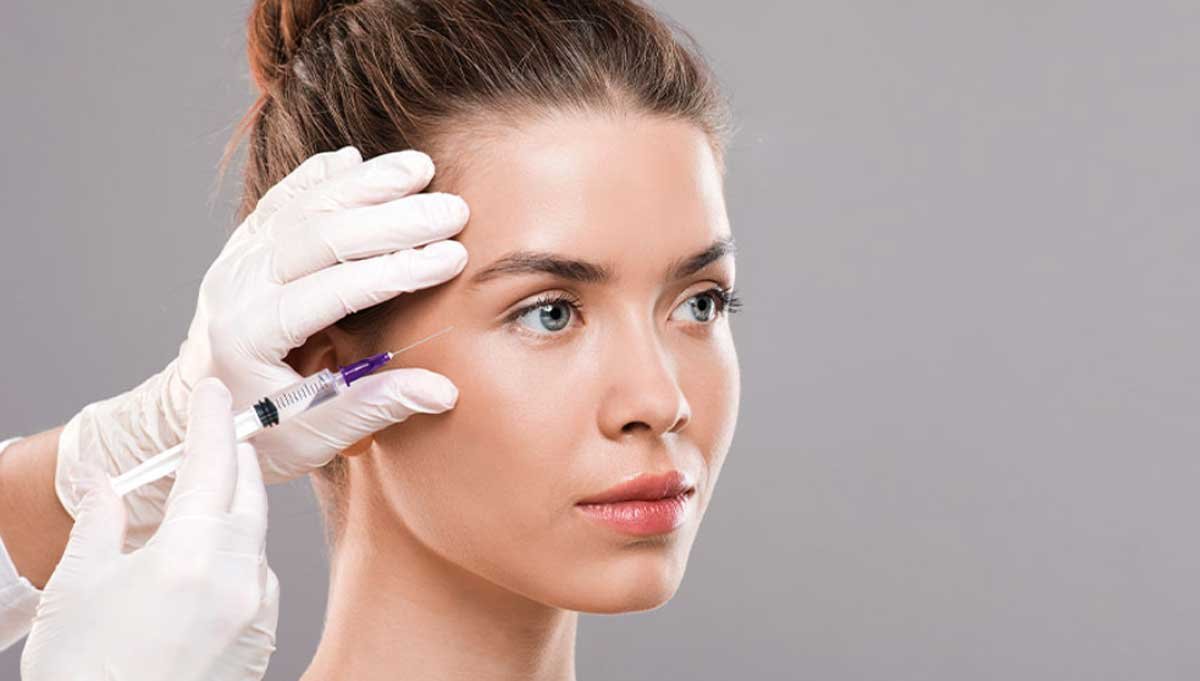
The definition of healthcare has expanded significantly over the past decade across Australia and the globe. Historically, medical and dental training focused almost entirely on treating acute diseases, managing chronic conditions, and restoring basic physical function. Today, the professional landscape looks very different. Patients are increasingly seeking treatments that not only improve their physical health but also enhance their appearance and overall vitality. This distinct shift in consumer behaviour is forcing academic institutions to adapt rapidly, making aesthetic skills a necessary and expected component of modern healthcare training. This transition reflects a deeper understanding of how physical health intersects with personal confidence and social wellbeing, reshaping the expectations placed on new clinical graduates.
The Psychological Impact of Patient Demand
Understanding why patients seek out cosmetic procedures is the first critical step in recognising why higher education must change. Elective treatments are rarely just about vanity. As recent discussions on the topic highlight, aesthetic choices profoundly shape personal style and self-assurance. When individuals feel good about their physical appearance, their overall mental wellbeing, social confidence, and daily performance improve significantly.
Modern patients expect their healthcare providers to understand this deep psychological connection. They want professionals who can treat a functional issue while simultaneously delivering a visually pleasing, natural result. Because of this unwavering consumer demand, future practitioners must learn to balance medical necessity with refined cosmetic artistry. Empathising with a patient’s aesthetic goals is now a crucial bedside skill requiring formal training.
Expanding Curricula Beyond the Basics
The integration of aesthetics into formal clinical education is most visible in specialised fields like dentistry, dermatology, and reconstructive surgery. For example, a modern dental school is no longer just teaching students the traditional methods of extracting teeth or filling cavities. Clinical programmes now dedicate substantial time and resources to cosmetic restorations, clear aligner therapies, and even facial injectables in certain jurisdictions.
This evolution is driven by undeniable financial realities and expanding career opportunities for graduates. According to a comprehensive industry analysis by The Business Research Company, the global cosmetic dentistry market is expected to exceed $82 billion by 2030, growing at a rapid annual rate of over 13 percent. If educational institutions fail to teach these highly demanded elective skills, their graduates will enter the competitive workforce at a severe disadvantage.
Core Aesthetic Competencies for New Graduates
To prepare clinical students for a market that heavily values both health and beauty, educational programmes are incorporating several new core competencies into their syllabuses. These practical additions ensure that graduates are ready to meet modern consumer expectations from their very first day in the clinic.
- Digital treatment planning: Students learn to use advanced imaging software to map out aesthetic outcomes before a procedure even begins. This technology allows patients to preview their results, ensuring alignment between the provider and the patient.
- Advanced material science: Understanding how different modern composites, ceramics, and dermal fillers interact with human tissue is absolutely crucial for achieving safe and natural-looking results.
- Holistic facial anatomy: Practitioners are now taught to evaluate the entire face rather than an localized problem area. This comprehensive approach ensures that any cosmetic enhancement complements the patient’s unique natural features.
- Aesthetic communication: Clinical skills must always be paired with the ability to discuss cosmetic goals delicately. Students practise comprehensive consultations to ensure they fully understand a patient’s aesthetic desires while managing expectations realistically and ethically.
The Career Benefits for Future Practitioners
For university students currently navigating their healthcare education, mastering these aesthetic techniques offers a distinct and lucrative career advantage. Professionals equipped with a dual focus on structural health and cosmetic appeal enjoy greater job flexibility and increased earning potential in private practice. Furthermore, these specialised skills allow practitioners to build stronger, more trusting relationships with their patients. When a clinician can seamlessly relieve physical discomfort and simultaneously restore a patient’s self-esteem through aesthetic improvements, the level of patient loyalty and satisfaction skyrockets.
As the dividing line between wellness and beauty continues to blur, healthcare education will only become more comprehensive. The academic institutions that recognise the profound value of aesthetic skills are doing much more than just keeping up with market trends. They are actively shaping a new generation of healthcare providers who view patient care as a complete, holistic experience that heals both the body and the mind. The future of clinical care belongs to those who can deliver both exceptional medical outcomes and beautiful, confidence-boosting results.