Commercial real estate developers are constantly looking for innovative ways to maximize returns while managing the sheer unpredictability of construction costs. Traditional building materials, such as lumber and concrete, have seen extreme price fluctuations and supply chain disruptions over the past few years. The lingering effects of these market constraints continue to create budgeting headaches for large-scale property investments. These challenges are forcing commercial property investors to rethink their development strategies entirely. As property owners seek out reliable, long-lasting alternatives, prefabricated metal and steel structures have emerged as a dominant force in modern commercial real estate. These engineered buildings offer a unique combination of durability, speed, and cost efficiency that traditional framing methods simply struggle to match in today’s competitive market.
Lowering Construction Costs and Accelerating Timelines
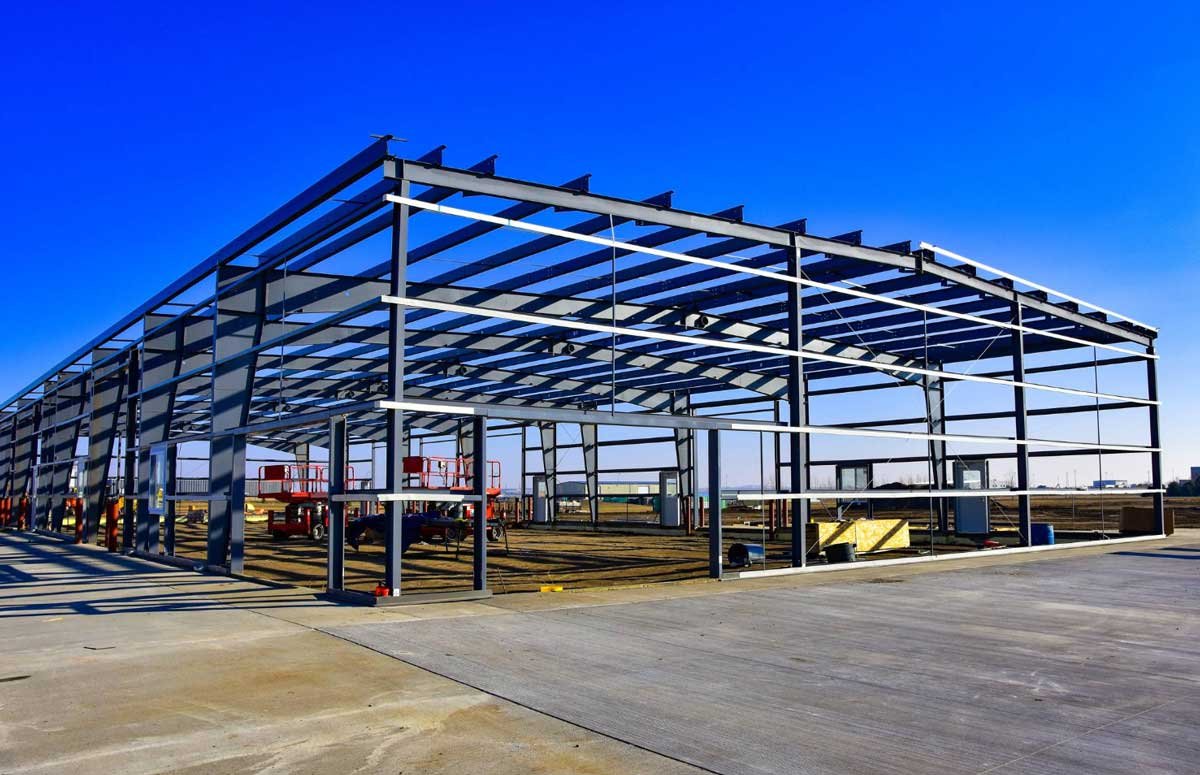
Time is undeniably one of the most expensive factors in any commercial development project. The longer a new building takes to complete, the more it costs in specialized labor, monthly carrying costs, and delayed rental income. Prefabricated steel buildings address this issue head-on by arriving at the construction site ready to assemble immediately. Because the structural components are precision-engineered and manufactured off-site in controlled environments, weather delays are minimized, and on-site labor requirements are significantly reduced. Developers who want to ensure their projects stay on track and within budget will often contact Atlantic Steel Structures to source a customizable, direct-from-factory metal building. Engaging with a specialized provider early in the planning stage allows investors to lock in material costs and map out a highly accurate construction schedule. This streamlined approach gets commercial spaces operational much faster, accelerating the timeline to profitability while minimizing the unexpected overhead costs that frequently plague traditional construction jobs.
Sustainability and Environmental Impact
Beyond timelines and initial budgets, the environmental impact of new construction is rapidly becoming a major priority for modern property developers. Commercial tenants, institutional investors, and local municipal governments are increasingly demanding sustainable building practices that align with global environmental goals. Steel is uniquely positioned to meet these rigorous green building standards. According to the American Iron and Steel Institute, structural steel is a highly eco-friendly option. Their data on structural steel sustainability reveals that most structural steel produced in North America contains 90 percent or more recycled content and is fully recyclable at the end of its lifespan. Furthermore, modern production methods emit significantly less carbon dioxide than traditional steelmaking processes, and recycling steel dramatically reduces the overall energy consumption. By choosing prefabricated metal buildings, commercial developers can drastically reduce the carbon footprint of their projects while appealing to a growing demographic of environmentally conscious commercial tenants who prioritize green leasing options.
Long-Term Benefits for Property Owners
The financial and operational advantages of utilizing prefabricated metal structures extend far beyond the initial construction phase. Once the building is fully occupied, property managers and long-term investors continue to reap the rewards of this durable material. Steel buildings provide several distinct advantages that directly improve a property’s net operating income over the years.
- Reduced Maintenance Costs: Steel is highly resistant to common issues that plague traditional wood-framed commercial buildings, such as destructive termites, pervasive rot, and moisture-driven mold. This resistance drastically lowers annual upkeep, pest control, and structural repair expenses.
- Flexible Floor Plans: The sheer structural strength of steel allows for expansive clear-span architectural designs without the need for interior load-bearing walls. This flexibility makes it incredibly easy to reconfigure commercial spaces for different incoming tenants, smoothly transitioning from open-concept retail stores to massive warehouse facilities.
- Lower Insurance Premiums: Because steel is a non-combustible material and is highly resilient against severe weather events like high winds and heavy snow, commercial insurance companies frequently offer much lower coverage premiums for metal buildings.
- Exceptional Durability: A well-constructed steel building can easily last for several decades with minimal structural degradation, ensuring that the commercial asset retains its maximum market value long into the future.
The commercial real estate landscape is constantly shifting, and forward-thinking developers must adapt quickly to remain competitive. By embracing modern construction materials and innovative manufacturing techniques, investors can build smarter, faster, and much more sustainably. Prefabricated steel buildings provide a very clear path to achieving these core goals, offering unmatched structural integrity while keeping upfront and long-term operating costs in check. Whether developing a new distribution center, a retail strip, or an office complex, utilizing prefabricated components mitigates risk across the board. As the demand for versatile, resilient, and eco-friendly commercial spaces continues to grow across the country, steel construction will undoubtedly remain a foundational pillar of profitable real estate development for years to come.