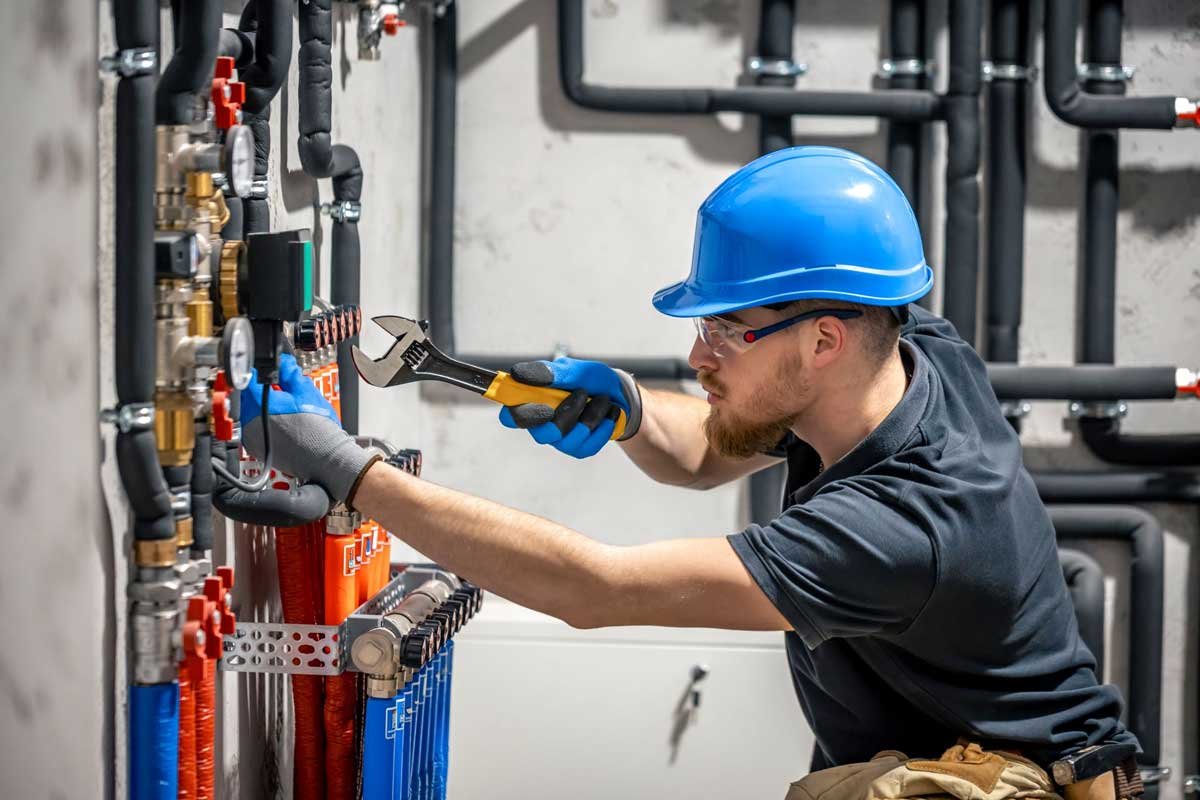
Modern commercial buildings are increasingly adopting sustainable practices to reduce operating costs, improve efficiency, and minimize environmental impact. Among the most important yet often overlooked components of a sustainable facility is its plumbing system. From water-saving fixtures and energy-efficient water heaters to advanced leak detection technologies, innovative plumbing solutions help businesses conserve resources while maintaining reliable performance. As sustainability goals continue to shape the commercial sector, investing in efficient plumbing infrastructure has become a smart long-term strategy.
For property owners and facility managers, partnering with an experienced San Antonio commercial plumber can be key to achieving these objectives. Professional commercial plumbing services can help identify opportunities for water conservation, improve system efficiency, and ensure compliance with local regulations. By integrating sustainable plumbing solutions into building design and maintenance plans, businesses can lower utility expenses, support environmental initiatives, and create more resilient facilities for the future.
Low-Flow Fixtures and Faucets
Installing low-flow fixtures and faucets is one of the most direct and cost-effective strategies to enhance water efficiency in commercial buildings. Engineered to deliver optimal performance using less water, low-flow toilets, urinals, and faucets can cut water consumption in high-use facilities by nearly half compared to traditional models. For example, toilets designed to use 1.28 gallons per flush or less are now standard in many new commercial developments.
Sensor-activated fixtures go a step further by ensuring water runs only when necessary, eliminating unnecessary wastage caused by forgetful users or malfunctioning hardware. As a result, businesses lower utility bills while maintaining hygienic and efficient operations. These upgrades pay off over time due to reduced water and sewer charges and fewer maintenance interventions.
Tankless Water Heaters
Conventional water heaters are energy-intensive, keeping large water tanks hot around the clock even when actual consumption is low. In contrast, tankless water heaters only heat water as needed. By eliminating standby energy losses and delivering hot water on demand, these systems significantly reduce energy consumption and operational costs.
This approach is particularly beneficial for commercial properties with variable or high-volume hot-water demand, such as hotels, restaurants, and educational institutions. Tankless systems also tend to have a longer operational life and require less physical space, allowing for more flexible design options in limited mechanical rooms. The initial investment in tankless technology is offset by ongoing savings in energy bills and reduced maintenance requirements, creating a compelling long-term value proposition.
Smart Water Monitoring Systems
Smart water monitoring systems have transformed the way commercial buildings manage and monitor water use. These digital tools provide real-time data, allowing facility managers to detect leaks, measure consumption by zone or tenant, and identify inefficient usage patterns. Armed with granular analytics, teams can respond quickly to fix leaks and implement policies that conserve water without sacrificing service quality or occupant comfort.
Many smart monitoring platforms also integrate with broader building management systems, automating alerts and offering insights that support preventive maintenance.
Vacuum Plumbing Systems
Vacuum plumbing systems offer a sustainable alternative to traditional gravity-based drainage. By using air pressure to transport waste, these systems require far less water per flush than conventional setups. They are particularly useful in retrofit scenarios for historic or multi-level buildings where extensive re-piping is impractical or costly.
These systems also allow greater design flexibility and can reduce overall installation and operating costs. The 400 Westlake project in Seattle, which set a new standard for sustainable design, featured a vacuum plumbing solution that contributed to the building’s high environmental performance. These innovative systems are now gaining traction in North American commercial projects, demonstrating proven water savings and adaptability.
Rainwater Harvesting Systems
Rainwater harvesting solutions collect and store precipitation for non-potable uses such as landscaping irrigation, toilet flushing, and cooling towers, reducing both reliance on municipal supplies and stormwater runoff. Captured rainwater is typically filtered and stored in large tanks, then distributed on site for various applications.
When integrated with other green plumbing technologies, rainwater harvesting can dramatically decrease total water demand, supporting a holistic approach to sustainability. Many commercial projects now seek certification through programs such as LEED or WELL by incorporating such systems to earn credits for water efficiency and stormwater management.
Collaborative Industry Initiatives
Industry-wide collaborative initiatives are pivotal in advancing sustainable plumbing practices and scaling up adoption rates. Partnerships between leading commercial property firms and technology vendors enable the sharing of data, best practices, and resources. For example, Ecolab’s ongoing partnership with CBRE aims to deliver advanced water-monitoring systems across a global portfolio of managed buildings, targeting measurable improvements in water quality and conservation. These efforts highlight the important role of collective action in pushing boundaries for a more sustainable built environment.
Conclusion
The adoption of sustainable plumbing solutions is essential for commercial properties aiming to reduce costs, ensure regulatory compliance, and support the environment. By integrating low-flow fixtures, tankless water heaters, smart water monitoring, vacuum plumbing systems, and rainwater harvesting, commercial facilities can dramatically reduce water use and utility costs. Ongoing collaboration and continual technology updates are key to maintaining momentum and maximizing results, helping the commercial sector lead the way to a more resilient and sustainable future.