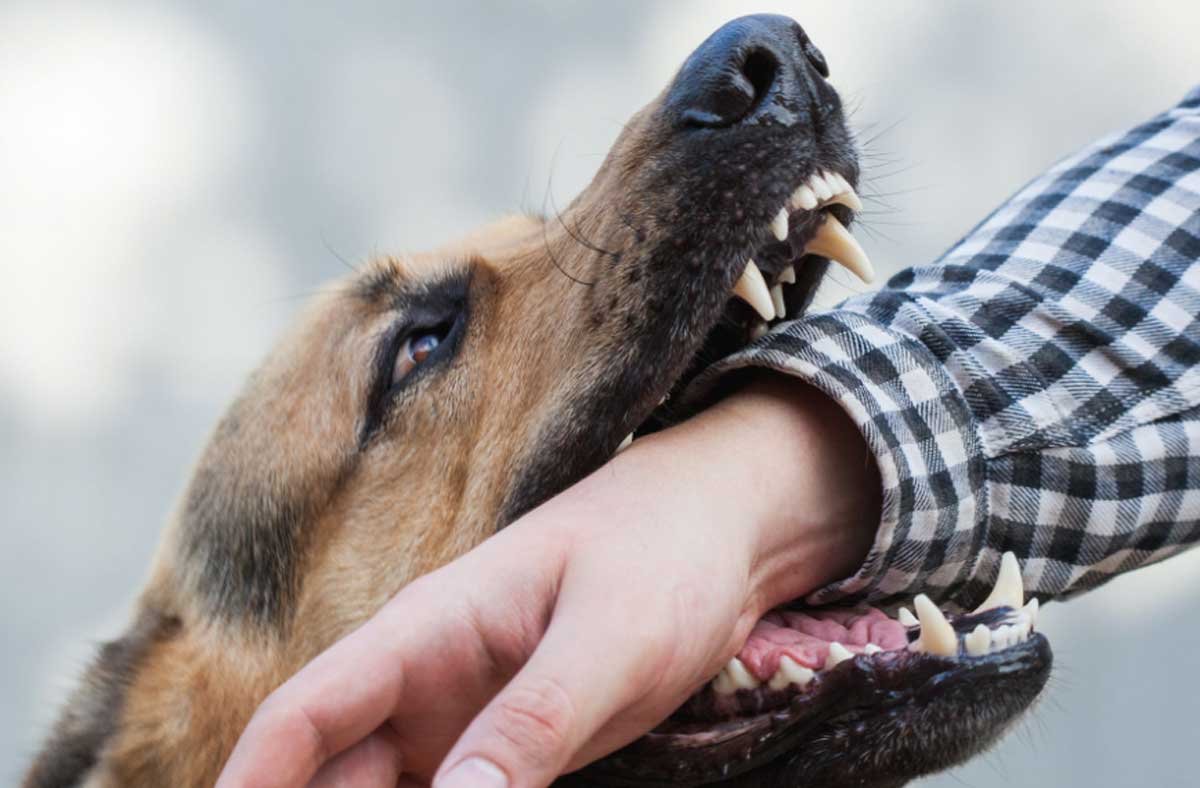
Dogs are among the most popular household pets, offering companionship, security, and joy to millions of families every day. Most dog interactions are safe and positive, but unexpected bites and attacks still happen. When a dog bites someone, the resulting injuries can be surprisingly severe, leading to emergency room visits, complex medical procedures, and time away from work. Beyond the immediate physical pain, victims often struggle with emotional trauma and sudden financial pressure.
Dealing with the aftermath of an animal attack requires quick decision-making during a stressful moment. Victims must address immediate medical needs while also figuring out how to handle medical bills, lost income, and communication with insurance adjusters. If you or a family member has been hurt by an animal, reaching out to a dog bite attorney can help clear up confusion about your rights and show you the best options for seeking recovery.
Understanding Liability in Dog Attack Claims
Legal claims following an animal attack are designed to help injured parties recover the financial resources needed to restore their lives. In general terms, dog owners have a responsibility to control their pets and prevent them from harming others. When an owner fails to meet this duty, they may be held financially responsible for the resulting harm.
Depending on local rules, liability often centers on whether the owner acted negligently or failed to enforce basic safety measures, such as using a leash or securing a yard gate. Some areas follow strict liability standards for dog bites, meaning an owner can be held accountable even if the animal had no prior history of aggression. In other places, the rules consider whether the owner knew about dangerous behaviors beforehand.
Because legal rules vary, looking closely at the details of the incident is a key part of determining who is responsible. Factors such as whether the attack occurred on public or private property, whether the dog was properly restrained, and whether the victim was lawfully present all play a role in the outcome.
Common Injuries Caused by Dog Bites
A dog’s jaws can exert significant pressure, causing harm that goes far deeper than a simple scrape. Even a minor bite can lead to serious health complications if it is not treated right away by a medical professional.
Some of the most frequent injuries include:
- Puncture Wounds and Deep Lacerations: Canine teeth penetrate skin easily, damaging underlying muscles, tendons, and fat tissue. Deep cuts often require stitches and specialized wound care to heal correctly.
- Bacterial Infections: A dog’s mouth carries bacteria such as Staphylococcus, Streptococcus, and Pasteurella. If bacteria enter deep tissue, severe infections can develop quickly, sometimes requiring hospitalization or intravenous antibiotics.
- Nerve and Tissue Damage: Bites to the hands, arms, face, or lower legs can injure nerves, leading to permanent numbness, weakness, or loss of mobility in the affected area.
- Fractures and Blunt Force Trauma: Large or powerful dogs can knock people down or exert enough jaw pressure to fracture small bones in the hands, feet, or arms.
- Permanent Scarring and Disfigurement: Deep tearing of the skin often leaves visible scars. When bites occur on the face or exposed skin, victims may require reconstructive surgery or cosmetic treatments.
In addition to physical pain, dog attacks regularly cause long-term emotional distress. Children and adults alike may develop anxiety, post-traumatic stress, or a lingering fear of animals that affects their daily routine.
Essential Steps to Take Following an Attack
Taking prompt action after an incident helps safeguard your personal health and preserves important evidence if you decide to make a claim later.
1. Seek Immediate Medical Attention
Your health is the top priority. Wash the wound thoroughly with warm water and soap right away, then visit an urgent care center or emergency room. Medical staff will evaluate the injury, clean the area, prescribe antibiotics if necessary, and check whether you need a tetanus booster or rabies treatment.
2. Report the Incident
Notify local animal control or law enforcement officers about the attack. An official report creates a formal paper trail documenting when and where the incident occurred. Animal control officers will also check if the dog is up to date on required vaccinations.
3. Document Everything
Take clear photographs of all visible injuries, torn clothing, and the location where the attack happened. Keep a dedicated folder for all medical bills, receipts for prescriptions, doctor notes, and records of any days missed at work.
4. Identify the Owner and Witnesses
If it is safe to do so, obtain the name, address, and phone number of the dog’s owner. Collect contact information from anyone who saw the incident take place, as independent witness accounts can clarify what happened.
5. Be Cautious with Insurance Companies
Insurance representatives may call you shortly after the incident asking for a recorded statement or offering a fast settlement. Avoid signing documents or agreeing to payouts before fully understanding the total cost of your medical treatment and long-term recovery needs.
Why Dog Injury Cases Can Be Complex
While a dog bite claim might seem straightforward at first glance, insurance companies routinely challenge these cases to limit their payouts. Adjusters may claim that the victim provoked the animal, was trespassing on private property, or had pre-existing injuries that caused their current pain.
Another challenge involves identifying the correct insurance coverage. Many claims are covered under homeowner’s or renter’s insurance policies, but coverage terms and policy limits vary widely. In some situations, specific dog breeds may be excluded from coverage, creating additional hurdles during negotiations.
Gathering strong evidence early helps overcome these obstacles. Medical records, official animal control reports, photographic evidence, and witness statements combine to create a factual foundation that clearly demonstrates how the injury occurred and who was responsible.
The True Financial Impact of an Attack
The financial strain caused by an animal attack rarely ends with the initial visit to the emergency room. Recovery often involves multiple doctor appointments, prescription medications, specialized wound dressings, and physical therapy sessions.
If injuries require surgical repair or scar revision, medical costs can rise quickly. At the same time, severe injuries often keep people away from their jobs for days, weeks, or even months, leading to lost wages and financial pressure on the family budget.
Beyond direct financial losses, a comprehensive evaluation takes into account non-economic damages. These include physical pain, emotional suffering, reduced quality of life, and the permanent impact of visible scarring. Calculating these losses accurately ensures that any proposed settlement reflects the full scope of what the victim has experienced.
How to Select the Right Legal Support
When you decide to seek legal assistance, finding an attorney who communicates clearly and focuses on personal injury claims makes the process much smoother. Look for a team that takes the time to listen to your story, answers your questions directly, and explains legal options in plain language.
Key qualities to consider include:
- Experience with Personal Injury Claims: Choose a practice that regularly negotiates with insurance companies and understands how to present evidence effectively.
- Transparent Communication: You should feel comfortable asking questions and receiving regular updates on the status of your claim.
- Honest Case Evaluation: A good lawyer provides realistic expectations about outcomes and guides you through each step of the process.
Having a dedicated representative handle insurance calls, evidence collection, and negotiations allows you to focus your energy on healing and regaining peace of mind.
Promoting Dog Bite Prevention and Safety
Preventing attacks is a shared responsibility within any community. Understanding how dogs communicate stress or fear can prevent dangerous situations before they start. According to resources provided by the American Veterinary Medical Association, recognizing warning signs such as stiff body posture, growling, avoiding eye contact, or sudden yawning can help individuals avoid unsafe interactions with unfamiliar animals.
Parents should teach children to ask permission before petting any dog, avoid disturbing animals while they are eating or sleeping, and never run or scream when approached by an unfamiliar pet. Practicing these basic precautions creates a safer environment for everyone.
Final Thoughts
An unexpected animal attack can disrupt your life, bringing physical pain, emotional distress, and unexpected bills. Taking quick, organized steps after an incident protects your physical well-being and keeps your legal options open.
By getting prompt medical attention, keeping thorough records, and understanding how the recovery process works, you can protect your rights and move forward with confidence. When facing medical expenses and pushback from insurance companies, having the right information and professional support gives you the best chance at achieving a fair outcome.