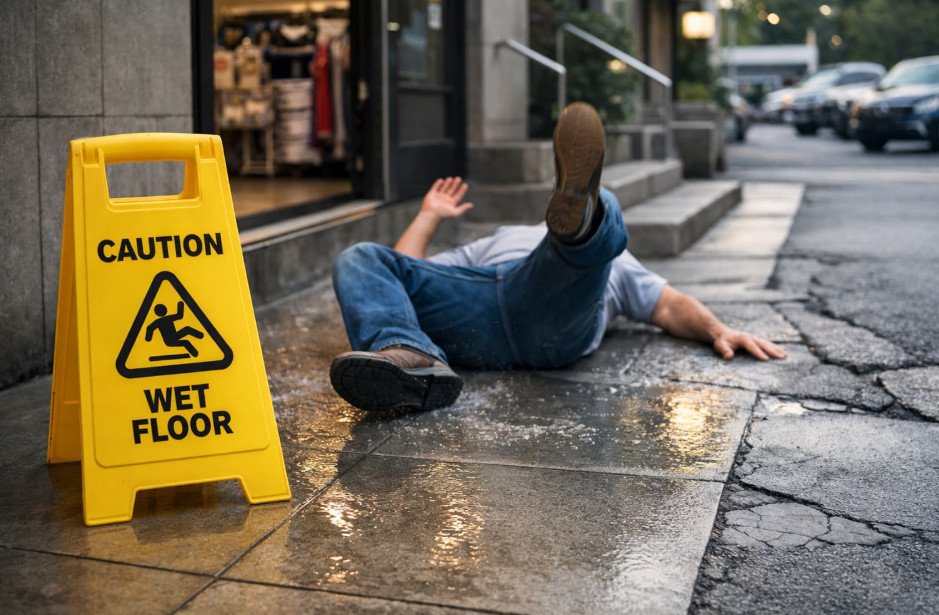
Las Vegas is a city where busy commercial spaces, hotels, casinos, restaurants, and public areas see a steady stream of people throughout the day. With so much foot traffic, an unexpected fall can happen in a matter of seconds, yet determining what led to it may take considerably longer. What appears straightforward at first can become complicated when questions arise about the condition of a property, how long a hazard existed, or whether anyone had an opportunity to address it.
Small details can become especially important when physical conditions change, memories fade, or different accounts of the incident emerge. Understanding what makes one claim easier to establish than another can help injured individuals approach the situation more carefully from the beginning. A slip and fall lawyer in Las Vegas can evaluate the available evidence and help identify weaknesses or unanswered questions in a potential claim.
The Hazard May Disappear Quickly
Property owners usually face questions about notice. The injured person must connect the dangerous condition to the property owner’s conduct, such as creating the hazard, knowing about it, or failing to discover it through reasonable inspections. That connection becomes difficult when no one photographs the spill, broken surface, loose mat, or poor lighting. A cleaned floor leaves little physical evidence. Without records, witnesses, or video, the claim can become one person’s account against the property owner’s denial.
Notice Can Create Disputes
Notice means the property owner knew about the hazard or should have discovered it before the accident. Actual notice exists when an employee receives a complaint, observes the condition, or creates it in the course of routine work. Constructive notice depends on time and circumstances. A substance that appeared moments earlier presents a different issue from a spill left across a busy walkway for hours. The available evidence must show enough facts for a reasonable decision-maker to determine whether the owner had a fair chance to respond.
Witnesses Do Not Always See the Cause
Many falls happen without a direct witness. Bystanders might hear the impact, see the injured person on the ground, or notice the condition afterward. That testimony supports the event but does not always establish its cause. A witness who saw the fall provides stronger evidence about body position, the walking path, and the hazard’s location. The injured person’s immediate statements also matter, especially when they identify a wet surface, uneven flooring, or another condition before leaving the property. Memory becomes less reliable as time passes. Names, phone numbers, photographs, and written accounts should be collected promptly. A witness who leaves the area or forgets the sequence can remove evidence that later becomes difficult to replace.
Comparative Fault Can Change the Outcome
A claimant’s conduct becomes another disputed issue. An insurer might argue that the person ignored a visible warning, used an unsafe route, looked away while walking, or wore unsuitable footwear. Those arguments require evidence rather than assumptions. Photographs should show warning signs, lighting, aisle width, floor conditions, and any obstruction from the claimant’s viewpoint. The property owner’s maintenance practices also matter because a warning does not excuse every dangerous condition. Nevada cases can involve comparative fault, which assigns responsibility among the parties. The claimant’s recovery can decrease when the evidence places part of the responsibility on that person. The exact result depends on the facts, available proof, and applicable law.
Early Evidence Protects the Claim
The first steps after a fall should focus on safety and documentation. Medical care should take precedence over evidence collection when an injury requires urgent attention. Afterward, the injured person should report the incident, request a copy of any accident report, photograph the area, preserve clothing and shoes, and record the names of witnesses. Property owners control much of the evidence, including video, inspection logs, and employee records. A written request to preserve relevant materials helps identify what exists and reduces the risk that routine deletion removes useful information.
Conclusion
A difficult slip and fall claim usually lacks one connecting fact, such as proof of notice, a reliable witness, or medical evidence linking the injury to the event. The most useful next step is to preserve photographs, reports, clothing, witness details, and treatment records before memories fade or surveillance footage disappears. A timely case assessment can identify missing evidence, address comparative fault arguments, and clarify whether the available facts support a claim under Nevada law.