Choosing heavy-duty drum brake shoes can appear to be a simple part-number task. For a commercial fleet, complete brake shoes with lining are a maintenance decision with safety, downtime, and evidence consequences; the buyer problem is clear: what should a fleet maintenance team inspect before choosing a replacement drum brake shoe for a commercial vehicle? A reliable answer starts with the actual brake architecture and condition, then connects the selected component to a documented service decision.
Replacement work should not be used to hide an unexplained system problem. Drum condition, friction material, actuation, adjustment, installation practice, and operating duty all belong in the maintenance conversation. Inspect them together while working through these factors in order, so a fleet can avoid treating a generic “heavy duty” label as proof of fit or suitability.
Identify the Assembly Before Ordering the Part
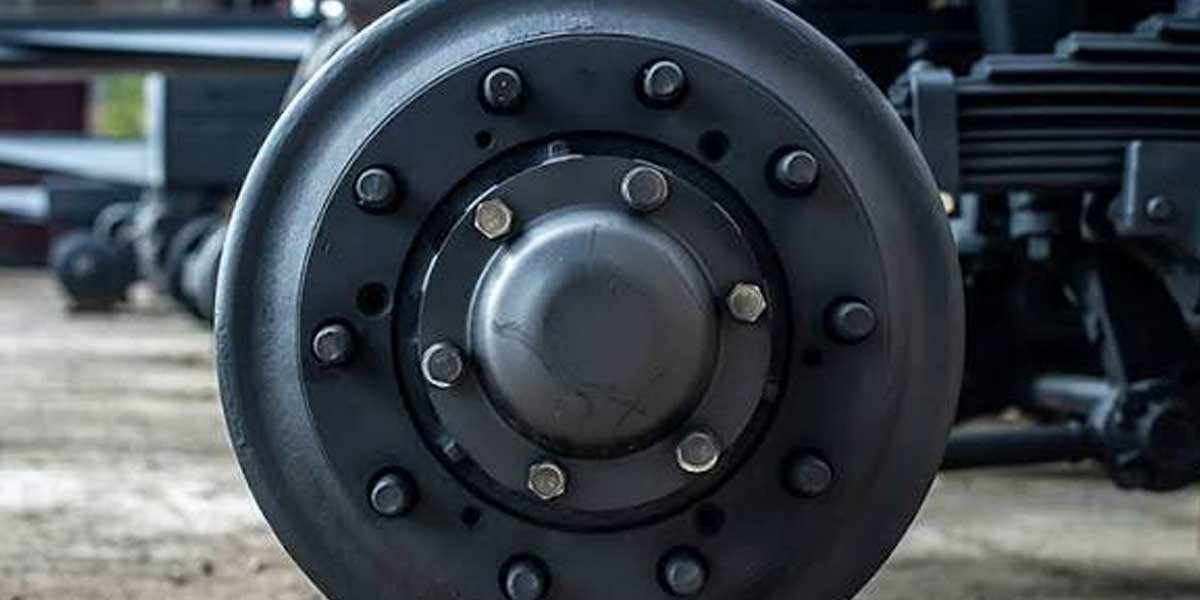
Start with the vehicle application and the existing brake assembly. Maintenance teams need the approved part reference, axle position, drum-brake configuration, lining arrangement, and any hardware or core requirement. That avoids a common purchasing error: selecting a visually similar component that cannot be shown to match the intended assembly or service arrangement.
Tuobapro’s drum-brake-shoe category describes complete brake shoes with lining, bare brake shoes, and brake-shoe cores, along with application-specific friction material choices. The distinction is meaningful for maintenance planning. Maintenance teams should decide whether their service process requires an assembled component, a core-related route, or another supported configuration before comparing product options.
Service records should also identify why the part is being replaced. Normal wear, an inspection finding, damage, a recurring noise concern, or a fitment investigation are not interchangeable reasons. Recorded removal reasons help the workshop determine whether the next step is a replacement choice, a broader inspection, or a review of the service process.
Inspect the System Condition Alongside the Shoe
Every brake shoe is part of a system. Before fitting a replacement, the maintenance team should follow its approved inspection practice for the drum, actuation, adjustment, associated hardware, and the condition that led to removal. The aim is not to turn every service event into a redesign. Avoid assuming that a new component will correct a fault that originates elsewhere.
Federal air-brake regulation establishes performance and equipment requirements for braking systems on trucks, buses, and trailers equipped with air brakes. For fleet maintenance, that system-level scope is an important reminder: a replacement shoe can be evaluated as a component choice, but it cannot by itself demonstrate complete system performance or resolve an unrelated air-brake or vehicle condition.
The boundary protects maintenance teams from overclaiming. A replacement investigation also becomes more efficient. If the removed component shows an unusual condition, the team can document it and review the surrounding system rather than simply changing material type and hoping the observation disappears.
Match the Material Choice to the Service Context
Tuobapro groups its offerings into semi-metallic brake shoes, ceramic drum brake shoes, and heavy-duty special material brake shoes, describing different material families and intended operating contexts. Service managers can use these categories to ask better questions about load, heat exposure, noise preference, dust considerations, and application fit. The category alone does not decide the job; it focuses the discussion on the trade-off that matters to the fleet.
On a heavily loaded route, a workshop may need to understand the proposed friction material and its declared application. Urban operations may deserve a different balance, while industrial use can make impact and severe-wear conditions relevant. Documentation should follow the real service context, not a marketing label or an unrelated vehicle program.
Replacement decision table for a commercial drum-brake service event
| Maintenance question | Evidence to check | Decision boundary |
|---|---|---|
| Is the replacement assembly correctly identified? | Vehicle application, axle position, part reference, and configuration | Similarity in appearance is not fitment evidence. |
| Is the service issue limited to the removed component? | Documented inspection of related drum-brake conditions | A replacement cannot cure an unrelated system fault. |
| Does the material choice match the duty? | Route context, load pattern, and supplier application information | A material category is not a universal performance guarantee. |
Keep the Installation and Release Record
Replacement decisions remain useful only if they can be found later. Service records should connect the removed component, inspection observation, selected replacement, installation context, and release action. The record gives a fleet a better basis for repeat purchasing and helps it separate a product pattern from an isolated event.
Documenting the work also supports supplier conversations. When a fleet can provide the application, material choice, inspection finding, and service history, the supplier has a concrete starting point for discussing compatibility. When those details are absent, both parties are left with broad assumptions that do not reliably resolve a fleet maintenance question.
Use Supplier Information Without Outsourcing the Decision
Public product information can make maintenance planning faster, but it does not replace the fleet’s own inspection and approval responsibilities. Tuoba’s category page supplies a structured way to discuss complete assemblies, shoe cores, and different friction material families. Fleet personnel still need to verify vehicle-specific fitment and service condition through approved procedures.
Tuobapro’s public category information distinguishes complete brake shoes with lining, bare brake shoes, and brake-shoe cores. The distinction can help a fleet frame the right service question before procurement, but its final choice must remain tied to inspected vehicle condition and approved maintenance practice.
When buyers assess heavy-duty drum brake shoes, the useful question is not simply whether a part is marketed for a demanding application; it is whether the application is identified, the related brake condition is inspected, the material trade-off is understood, and the installation record supports a later review, with Tuoba then part of a grounded sourcing discussion rather than an isolated link mention.
Make the Next Maintenance Decision Better Than the Last
Each documented replacement can improve the next one. Fleet teams can review the removal reason, compare it with the service context, and decide whether the same configuration remains appropriate. If an observation repeats, the team has a record to support a more focused inspection or technical review.
The practical value of a disciplined drum-brake-shoe decision is that it keeps part selection connected to maintenance evidence. Its conclusion stays appropriately narrow. Well-chosen replacements can support a defined component need; they do not eliminate the need for system inspection, correct installation, or vehicle-level responsibility.