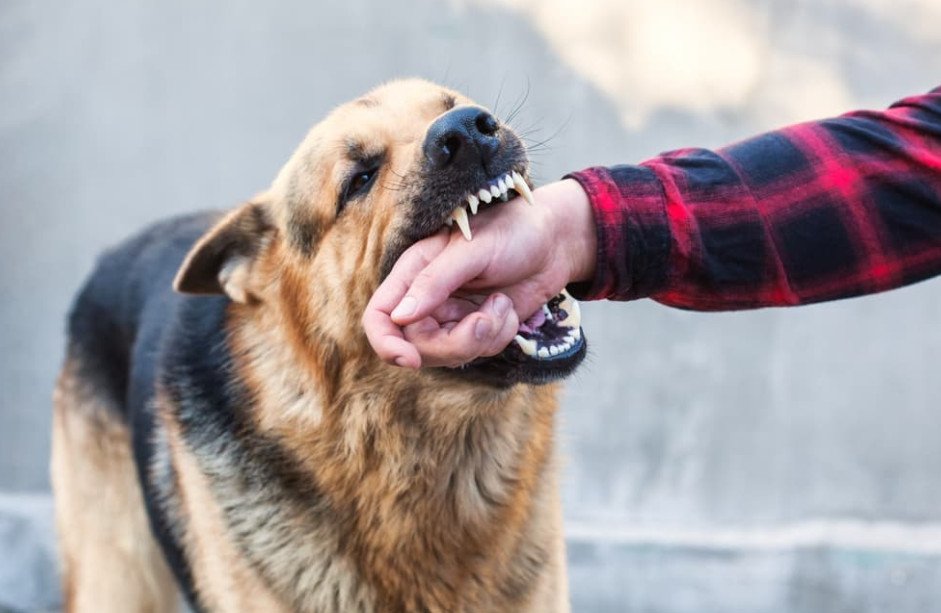
For people dealing with the aftermath of a dog bite in Buffalo, the immediate focus is often on medical treatment, but questions about what happens next can arise just as quickly. An attack can leave someone facing unexpected expenses, time away from work, visible injuries, or emotional distress, while the circumstances surrounding the incident may not be straightforward. Understanding potential legal issues early can help an injured person identify what information may matter before key details become harder to establish.
For those considering legal guidance, Steve Foley Law dog bite attorneys in Buffalo can review the circumstances of an attack and help an injured person understand the options available under New York law. Reviewing the dog’s prior behavior, the actions of the person responsible for its care, and the available evidence can clarify whether a claim may exist. Having that perspective early can also help someone approach compensation questions with more confidence, rather than relying on assumptions about who may be responsible.
What Compensation Can Cover
A dog bite claim can address financial losses and personal harm caused by the attack. Medical expenses often form the first part of the claim, especially when injuries require emergency treatment, infection care, stitches, skin grafts, or plastic surgery.
Lost income also matters when pain, restricted movement, or medical appointments prevent someone from working. A claim can include missed wages and reduced earning capacity when the injury affects future employment.
Non-economic damages address pain, emotional distress, and mental anguish. Permanent scarring can affect daily life and self-confidence, especially when an injury involves the face, hands, or another visible area.
How New York Liability Works
New York dog bite cases often require proof that the animal had vicious propensities and that the owner knew, or should have known, about them. A prior attack can support that proof, as can earlier conduct such as growling, snapping, or baring teeth.
The owner’s restraint methods also matter. A history of careless control, warnings from neighbors, or conduct that placed people at risk can help establish knowledge of dangerous behavior.
Breed alone does not determine liability. New York law focuses on the dog’s conduct and the owner’s knowledge, so evidence about prior behavior carries more weight than assumptions based on appearance.
Negligence Can Apply
An injured person can also pursue an ordinary negligence claim. That theory applies when a responsible person failed to use reasonable care under the circumstances leading to the attack.
Responsibility may extend beyond the legal owner. A person who housed, controlled, or cared for the dog may face liability if they knew, or should have known, about the animal’s dangerous behavior.
A negligence claim depends on the facts surrounding the incident. The location, restraint method, warnings, supervision, and actions immediately before the bite can each affect the legal analysis.
Evidence After An Attack
Medical records should describe every injury and symptom, including pain, limited movement, infection concerns, and emotional effects. Follow-up appointments can show whether scars, nerve damage, or other conditions continue after initial treatment.
Photographs should document the injuries as they heal, along with torn clothing or damage to personal property. Witness names, contact details, written statements, and photographs of the location can preserve facts that become harder to confirm later.
The injured person should report the incident to the appropriate local authority and request available records. Insurance representatives should receive accurate information, because an early statement can affect later negotiations.
Deadlines And Claim Decisions
New York law imposes deadlines that can limit the time available to seek compensation. The applicable deadline depends on the parties involved, the injury, and the circumstances surrounding the incident.
An insurance carrier can request a recorded statement, medical authorization, or settlement discussion before the full effect of the injuries becomes clear. Review those requests carefully before accepting responsibility or signing a release.
A Buffalo dog bite attorney can examine the evidence, identify potentially responsible parties, calculate documented losses, and manage communications. Legal guidance also helps determine whether settlement negotiations or a lawsuit fits the claim.
Conclusion
A dog bite claim requires more than proof that physical contact occurred. The evidence must connect the injury to a responsible person, establish the dog’s known behavior or negligent control, and document the financial and personal losses that followed. Anyone injured in Buffalo should gather those materials and seek a case review before discussing a final settlement or allowing a legal deadline to pass.