Why the Smallest Bill Can Tell the Biggest Story
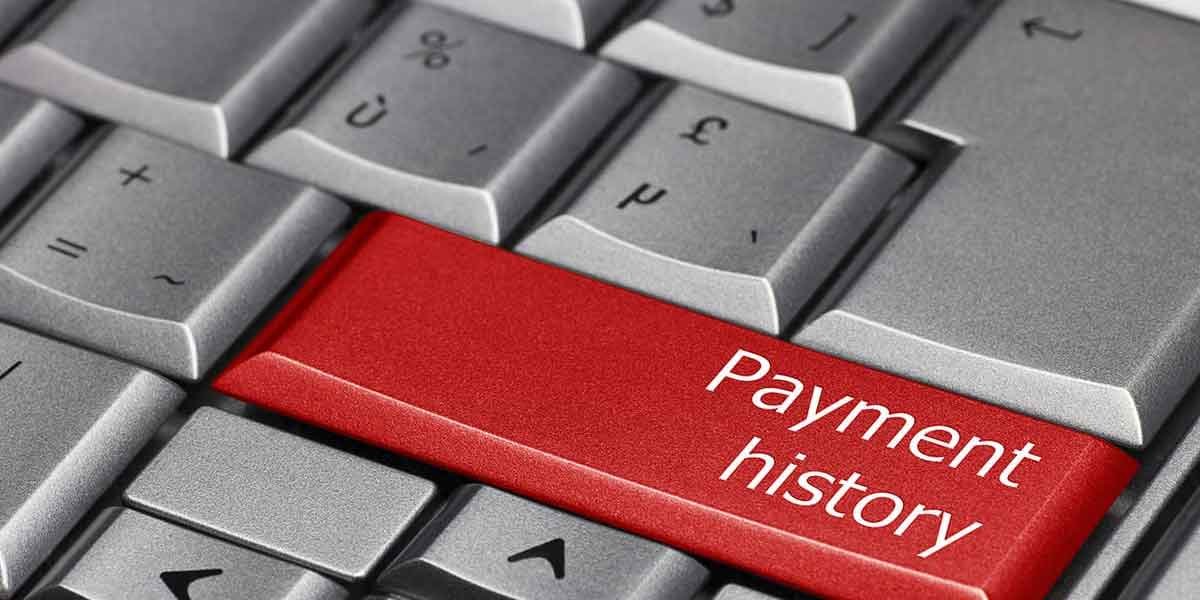
A lot of people think credit health is mainly about how much debt they have. That matters, of course, but it is not the first thing your credit profile says about you. The first and loudest message is whether you pay what you agreed to pay, on time, over and over again. FICO says payment history is the largest scoring category at 35% of a FICO Score, which is why one overlooked due date can matter more than people expect.
That is also why debt solutions are often really about rebuilding rhythm, not just shrinking balances. If you are sorting through missed due dates, catch up plans, or options for personal loan debt relief, it helps to see payment history for what it is. It is not just a record of bills. It is a record of reliability.
Most conversations about credit focus on numbers. A fresher way to look at it is this: payment history works like your financial body language. Lenders do not know your intentions, your stress level, or whether last month got messy for reasons outside your control. They mostly see patterns. A steady pattern of on time payments suggests stability. A scattered pattern suggests risk.
Payment History Is About Trust More Than Math
This is where people sometimes get tripped up. They assume a credit score is measuring wealth. In reality, a major part of it is measuring consistency. You do not need to be rich to build a strong payment history. You need a system that helps bills get paid on time.
That distinction matters because it can make the whole topic feel more manageable. If payment history carries the most weight, then your credit health is not built only by big financial wins. It is often built by very ordinary actions repeated month after month. A minimum payment made on time can protect your credit more than a larger payment made late.
FICO also explains that payment history looks at more than whether a payment was late. It considers how late it was, how recently it happened, how often it happened, and what kinds of accounts were involved. In other words, a single mistake is not always the end of the world, but repeated misses can send a much stronger negative signal.
The Problem Is Usually Friction, Not Knowledge
Most adults already know paying on time is important. The real issue is friction. A due date lands on a chaotic week. An autopay setting fails. A bill goes to an old email address. A person is juggling rent, groceries, and a car repair, and one account slides past the deadline.
Seen this way, payment history is less about moral virtue and more about designing a life with fewer points of failure. That might mean setting calendar reminders, moving due dates closer to payday, automating at least minimum payments, or trimming the number of open accounts that need attention each month. If your system is fragile, your payment history becomes fragile too.
This is also why people trying to improve credit sometimes focus on the wrong battlefield. They obsess over tiny score changes while ignoring the routine that creates those changes. The routine is the engine. The score is the dashboard.
Late Payments Age, But They Do Not Vanish Overnight
Another important reality is that credit damage tends to linger longer than the stress that caused it. A rough month can pass quickly, but the reporting trail may stick around for years. That is why catching a problem early matters so much. If you know you cannot make a payment, contacting the lender before the account falls further behind can be smarter than staying silent and hoping things somehow sort themselves out.
It is also wise to review your credit reports regularly so you can spot mistakes or signs that an account was reported inaccurately. The Federal Trade Commission points consumers to the official source for free credit reports at AnnualCreditReport.com through the FTC’s guidance. If something looks wrong, checking it early gives you a better shot at fixing it before more time passes.
Recovery Starts With the Next Clean Month
One of the most encouraging facts about payment history is that it is always capable of telling a new story. Past late payments matter, but they do not freeze your future. New on time payments keep adding positive information to your file. Over time, that newer pattern can become more meaningful than the chaos that came before.
This matters emotionally as much as financially. People often give up after one setback because they assume the damage is done. But credit repair is rarely about one dramatic move. It is usually about stacking quiet months. One on time month becomes three. Three become six. Six become a year. Trust is rebuilt in layers.
The same logic applies if you are tackling personal loans, credit cards, or collections. Yes, balances matter. Yes, interest matters. But if you ignore the payment pattern while trying to solve the debt problem, you can end up making progress in one area while hurting yourself in another.
What to Prioritize When Money Is Tight
When cash is limited, the goal is often not perfection. It is damage control plus consistency. That means understanding every due date, protecting essential accounts from slipping late, and avoiding the kind of disorganization that creates preventable credit harm. Even one less missed payment can have more long term value than people realize.
It also helps to know what lenders and credit scoring systems are watching. MyFICO’s explanation of how payment history affects credit scores makes the point clearly: your track record of repayment is a major predictor of future repayment. That is why payment history carries such real weight.
In the end, the strongest credit habit is not flashy. It is simply dependable. Your payment history tells the world whether your financial life is holding together in practice, not just in theory. And because it carries more weight than any other scoring factor, protecting that pattern may be the most practical credit move you can make.