Manufacturers are paying closer attention to how their production and packaging methods influence resource consumption, waste, and overall efficiency. Identifying products is still important for branding, tracking, and sharing essential information. However, the processes used to add these details can introduce additional materials into manufacturing operations. Laser marking provides another option by applying identification directly to products or packaging, which can reduce the need for separate labels and associated supplies.
For companies focused on using resources more efficiently, this technology creates an opportunity to rethink how product information is displayed without sacrificing the readability and durability needed throughout manufacturing and distribution.
Adding Product Information Without Separate Labels
Packaging typically displays important information such as barcodes, serial numbers, batch identifiers, company logos, and other product details. Traditional labeling methods often involve printing this information onto separate materials and attaching them to individual products or containers. Depending on the application, this process may consume paper, plastic, ink, and adhesives.
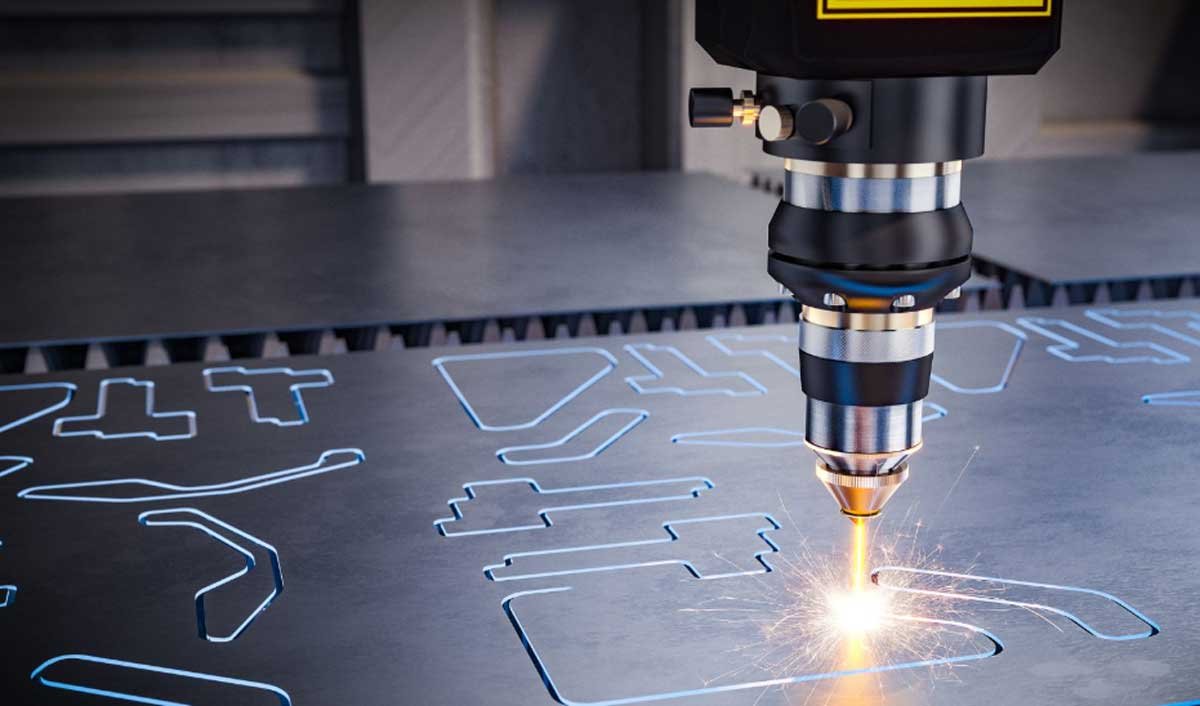
Laser marking takes a different approach by using a concentrated beam to apply information directly to compatible surfaces. Manufacturers can create text, images, symbols, and scannable codes without producing an additional label for applications suited to the process.
This technology works with several material types, including specific metals, plastics, glass, and wood. The effectiveness of the marking depends on the material and the desired results. Applying identification directly to products or their packaging can help manufacturers limit the additional supplies needed for certain production processes.
Reducing Dependence on Manufacturing Consumables
Traditional labeling involves more than printing and attaching information to finished products. Businesses must also purchase, organize, store, and replenish labeling materials. For manufacturers handling large production quantities, these ongoing activities can increase supply requirements and operating costs.
Direct marking provides an alternative that can simplify parts of this workflow. Instead of preparing individual labels and applying them separately, manufacturers can place required identification directly onto suitable surfaces. In certain production settings, this reduces the need for specific consumable materials and removes individual labeling tasks.
Marking longevity is another factor worth considering. Under certain conditions, conventional labels may peel, become damaged, or develop readability problems during handling. When the correct laser marking process is selected, identification can remain permanently associated with the product or component. This supports traceability while helping reduce concerns involving misplaced or detached labels.
The right approach depends on several factors, including the packaging material, environmental exposure, and identification standards. Reviewing these requirements helps manufacturers decide whether direct marking is appropriate for their operations.
Supporting Recycling and Material Recovery Efforts
The materials used in packaging can affect how products are processed when they reach the end of their intended use. Packaging that combines multiple materials may require additional sorting or separation before recycling. Depending on the recovery process, adhesives and attached labels can create further challenges.
Laser marking gives manufacturers another way to simplify packaging by potentially eliminating separate identification materials. When information can be placed directly on the primary packaging surface, fewer additional components may be needed.
Direct identification can also help keep important product details connected to an item throughout its lifecycle. Depending on the application, this information may assist with tracking, identifying materials, and supporting certain reuse or recovery processes.
However, using laser marking does not automatically make a package recyclable or ensure improved environmental performance. Material choices, available recycling facilities, and marking compatibility all influence the outcome. Even so, reducing unnecessary packaging components can support broader material-efficiency goals.
Preserving Product Branding and Identification
Packaging serves purposes beyond displaying technical details. Company logos, product names, and other visual features help establish brand recognition and distinguish products throughout manufacturing and distribution.
Laser marking enables manufacturers to apply selected branding elements directly to compatible materials. For certain applications, this reduces the need for printed labels while allowing text, graphics, and identification codes to be positioned accurately.
The process can also support different identification requirements across product variations and manufacturing runs. Before selecting this method, businesses should consider surface properties, marking contrast, readability, and production speed to determine whether it meets their packaging requirements.
Choosing suitable materials and marking processes allows manufacturers to balance identification needs with packaging design considerations.
Exploring Laser Marking as a Manufacturing Solution
Developing more sustainable packaging practices often requires reviewing individual manufacturing processes to find ways to reduce material consumption without affecting product quality. Laser marking can contribute to these efforts by providing an alternative to conventional labeling when direct surface identification is practical.
High Tech Quality Manufacturing offers laser marking capabilities for manufacturers seeking accurate product identification methods. Businesses can explore how this process may accommodate their materials, production operations, and identification specifications.
Considering consumable requirements, packaging materials, marking durability, and end-of-life processing can help manufacturers make better-informed decisions about product identification. High Tech Quality Manufacturing provides a resource for businesses evaluating marking solutions that fit their manufacturing requirements.
While no individual technology can resolve every sustainability concern, laser marking gives manufacturers another option for examining material usage and improving packaging processes. Incorporating appropriate direct-marking methods into a larger production strategy can support more efficient identification practices while maintaining the accuracy and consistency required for manufacturing.