Key Takeaways
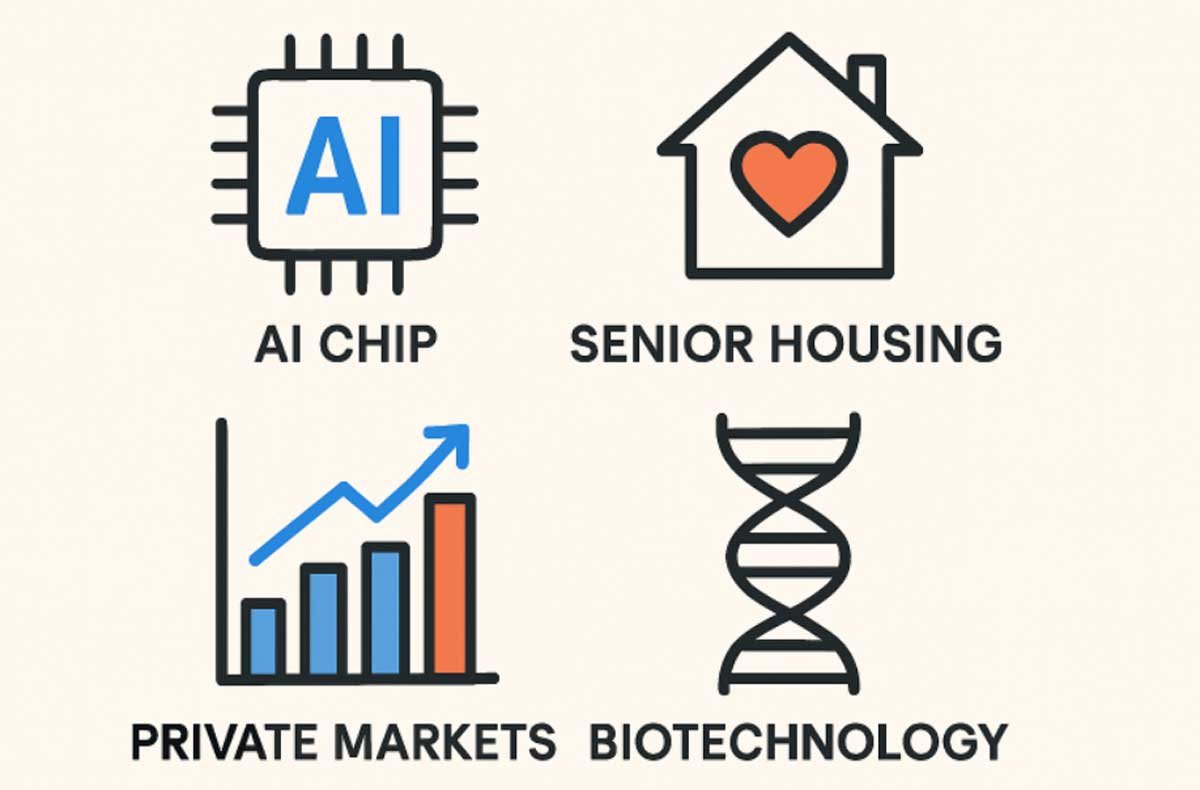
- Artificial Intelligence (AI) Infrastructure: Automation, data center growth, and chip innovation are driving fresh investment, transforming how companies operate and deliver value.
- Senior Housing: Demographic shifts are fueling long-term, stable demand for senior living solutions and healthcare-focused real estate.
- Private Markets: Alternative and less liquid investments are gaining traction for their diversification benefits and growth potential.
- Biotechnology: Accelerating advancements in healthcare are creating new opportunities for innovation, especially in treatments and technology-driven healthcare delivery.
As we enter 2026, the pace of change in the global investment landscape continues to accelerate. Investors are navigating a rapidly shifting environment driven by technological innovation, demographic changes, and a growing need for portfolio diversification. Early adaptation to new trends is essential for those looking to outperform the market, and gaining an in-depth understanding of these changes can make a substantial difference in long-term results. To learn more about strategic investment moves, it is crucial to explore emerging sectors expected to dominate conversations and capital allocation in the coming year.
This comprehensive guide reviews the four sectors currently generating significant investor interest: artificial intelligence infrastructure, senior housing, private markets, and biotechnology. Each trend is rooted in broader economic and societal shifts, ranging from the rise of generative AI to the aging global population and the evolving nature of private investments. Keeping an eye on these sectors will help investors build diversified and resilient portfolios capable of weathering market volatility.
The right investment decisions are increasingly reliant on the ability to stay informed and agile. With continual advancements in technology and healthcare, as well as demographic pressures and changing regulatory environments, staying ahead of the curve is more important than ever. The following sections break down these promising trends and consider the factors that make each one potentially lucrative over the next several years.
By monitoring and assessing the full range of opportunities, both individual and institutional investors can position themselves effectively for the challenges and opportunities that define modern markets. In this article, we provide actionable insights and up-to-date analysis to help you confidently navigate the hottest investment trends of 2026.
AI Infrastructure
Artificial Intelligence now plays a foundational role in reshaping traditional and emerging industries. The transition from experimental AI applications to scaled business solutions has prompted major firms to allocate unprecedented funds to AI infrastructure. Massive investment in data centers, semiconductors, and advanced automation tools is fueling a wave of innovation that is boosting productivity across global supply chains.
This ongoing transformation is about more than sleek new algorithms. It includes groundbreaking advancements in chip fabrication and cloud architecture that support accelerated machine learning and real-time analytics. Tech giants and innovative upstarts alike are funneling capital into the next generation of neural processors, server farms, and automation systems. According to Gartner, worldwide spending on AI is forecast to reach $2.52 trillion in 2026, a 44% year-over-year increase, reflecting the brisk pace of adoption and the critical role of infrastructure as the backbone of digital progress.
Senior Housing
One of the most reliable trends in real estate and healthcare investment is the global population’s aging. As Generation X and baby boomers reach retirement, demand for senior housing is expected to reach historic highs. From assisted living communities to memory care facilities, investors are drawn to the combination of societal need and attractive, consistent returns.
Real estate investment trusts (REITs) specializing in healthcare properties, as well as direct investments in senior housing development projects, offer a variety of entry points for interested investors. The compelling demographic narrative, combined with improvements in medical care and longevity, means the need for residential healthcare options will not abate anytime soon. The National Investment Center for Seniors Housing & Care reports that senior housing occupancy rates in the United States increased to 89.1% by the end of 2025, marking the 18th consecutive quarter of occupancy rate increases.
Private Markets
Investors today are looking beyond traditional stocks and bonds to boost diversification and pursue bigger returns. Private markets—including private equity and venture capital—offer a chance to invest directly in companies before they go public. While these opportunities come with higher risk, they can also deliver outsized rewards, sometimes doubling or tripling in value. If you want to discover strategies to navigate these high-potential investments, learn more about how private market opportunities can enhance your portfolio.
The illiquidity of private market assets means thorough due diligence is vital. However, many investors now view private markets as a major source of innovation, particularly in technology, green energy, and emerging healthcare solutions. With democratized access through crowdfunding platforms and private funds, high-net-worth individuals and institutional investors alike are drawn to this less-regulated corner of the market for its unique growth opportunities.
Biotechnology
The pandemic fundamentally reoriented public and investor attention toward biotechnology. Investment in biotech remains on an upward trajectory and continues to spawn rapid advancements in genetic editing, AI-powered drug discovery, personalized therapies, and mental health treatments.
Investors should focus on companies with proven records in developing treatments for chronic conditions or mental health. Late-stage clinical trial firms or those partnering with large pharmaceutical companies also present exciting opportunities. The need for life-extending and quality-enhancing medical solutions is only expected to rise, making biotech a pivotal sector for 2026 and beyond.
Conclusion
The investment world of 2026 will reward adaptability, diligence, and a keen eye for secular trends. Whether leveraging the rise of artificial intelligence, investing in the infrastructure of tomorrow, meeting the demand for senior living, accessing private growth markets, or fueling the future of medicine through biotechnology, those who take a forward-thinking approach will be best positioned for success. Choosing the right combination of innovation-driven and stable investments is essential for building a portfolio that can stand the test of time.