Plastic waste is a growing concern around the world. New technology is helping turn used materials into valuable resources. This makes recycling more effective and useful.
Today, plastic film recycling offers new ways to reduce waste and support sustainability. Advanced systems can recover and reuse materials that were once discarded. Read on to learn how innovation is unlocking the full potential of plastic film.
The Growing Challenge of Plastic Waste
Plastic waste is a global problem that affects the environment in many ways. Each year, millions of tons of plastic are discarded, and many types are not recycled. This leads to pollution of our land and oceans, impacting wildlife and ecosystems.
Plastic film, in particular, is one of the hardest types to recycle. It easily gets tangled in recycling machinery, making it less viable for traditional recycling processes. This results in a significant amount of plastic film ending up in landfills and incinerators.
These challenges call for innovative solutions. New technologies in recycling can help manage plastic film waste more effectively. By addressing these issues, we can take a step toward a cleaner and more sustainable future.
Innovative Recycling Solutions
In the fight against plastic waste, innovative recycling solutions are leading the way. New technologies break down plastic film waste into raw materials that can be reused. These modern methods of recycling create opportunities for companies and individuals alike.
Such innovations can significantly decrease the amount of plastic that goes to waste. This approach not only benefits the environment but also promotes economic growth. As more industries adopt these recycling techniques, we can see a shift toward a more sustainable model.
By using state-of-the-art recycling systems, businesses can transform plastic film into new products. This reduces the demand for virgin plastics, allowing for a more circular economy. Such developments can fundamentally change how we view plastic waste.
Understanding Plastic Film Waste Management
Effective plastic film waste management is crucial in today’s world. It involves collecting, sorting, and recycling plastic film rather than allowing it to go to landfills. Learning about how this process works can inspire change in communities and businesses alike.
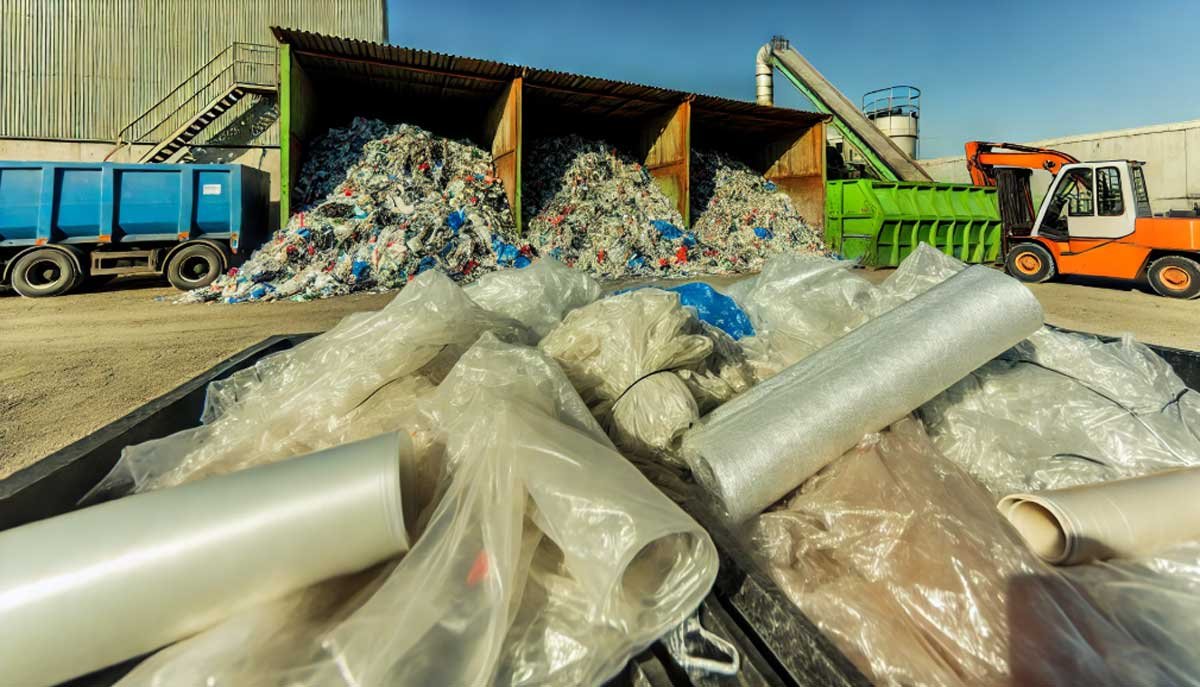
The process starts with proper collection methods. Specialized bins can be used to collect plastic film separately from other types of waste. This can lead to a higher recycling rate and less contamination.
Once collected, plastic film is sorted and prepared for recycling. This preparation may include washing and shredding the film. Effective waste management ensures that more plastic film is recycled, turning it into valuable resources.
The Role of Technology in Recycling
Technology plays a significant part in enhancing recycling efforts. New machines and methods make recycling processes more efficient and effective. These advancements help increase the overall recycling rates for plastic films.
For instance, improved technology can identify and separate plastic types automatically. This means less manual labor and higher precision in sorting. As a result, the quality of recycled materials improves, making them more desirable for producers.
One example of such technology is the PP PE film washing line. This system effectively cleans and processes plastic film, preparing it for reuse. Such innovation makes it easier to recycle plastic, unlocking its full potential.
Benefits of Sustainable Plastic Recycling
Sustainable plastic recycling carries many benefits for the environment and society. First, it greatly reduces waste and lowers pollution. By recycling plastic, we keep it out of landfills and lessen its environmental impact.
Moreover, sustainable practices can lead to significant energy savings. Producing new plastic from recycled materials often uses less energy than creating it from raw materials. This not only reduces emissions but also conserves natural resources.
Communities that adopt sustainable plastic recycling can see economic growth as well. By investing in recycling infrastructure, local jobs can be created. This makes sustainable waste
management a win-win situation for all involved.
Exploring Eco-Friendly Recycling Methods
Eco-friendly recycling methods focus on minimizing environmental impact during the recycling process. These methods prioritize green technology that significantly reduces waste production and the carbon footprint associated with recycling. By applying eco-friendly practices, we protect our planet.
Innovative recycling facilities are designed to operate with low emissions and minimal waste. This creates a cleaner environment during the recycling process while still achieving high efficiency. Thorough research helps improve these methods over time.
Using eco-friendly practices addresses both plastic recycling and the urgency of climate change. As more companies embrace these practices, they contribute to a healthier planet. This reinforces the importance of changing our approach to plastic waste.
Plastic Film Recovery Techniques
Plastic film recovery techniques are essential in maximizing recycling effectiveness. These methods focus on reclaiming discarded plastic film for further use. These techniques not only uplift the recycling rate but also enhance the quality of recycled materials.
Sophisticated machinery has been developed to facilitate these recovery processes. This includes shredders and wash systems that break down plastic film effectively. Advanced technology makes it easier to recover more material.
The goal of plastic film recovery is to create a cycle where plastic film is constantly reused. By focusing on recovery efforts, communities can push for more sustainable systems. This ensures that less plastic ends up as waste, aligning with an eco-friendly vision.
Fostering a Circular Economy with Plastics
A circular economy is crucial to minimizing waste and maximizing resources. This model promotes the continuous use of materials through recycling and recovery. The circular economy encourages sustainable practices that can benefit both society and the environment.
In the circular economy, plastic products are designed to be reused and recycled. This helps keep materials in circulation, drastically reducing waste. By shifting toward this model, we create a system that uses fewer raw materials.
Consumers can also do their part by choosing products made from recycled materials. Supporting businesses that prioritize recycling helps cultivate the circular economy. Together, people can become active participants in cleaning up plastic waste.
Embracing the Future of Plastic Film Recycling
Innovative recycling methods can transform plastic film waste into valuable resources. By understanding the importance of plastic film recycling, we can significantly impact waste reduction. Embracing eco-friendly practices helps pave the way towards a more sustainable future.
As everyone works together to adopt these new technologies and methods, the potential to unlock plastic film recycling grows. The benefits are significant, and the possibility for positive change is within reach.
Did you find this article helpful? Visit more of our blogs.