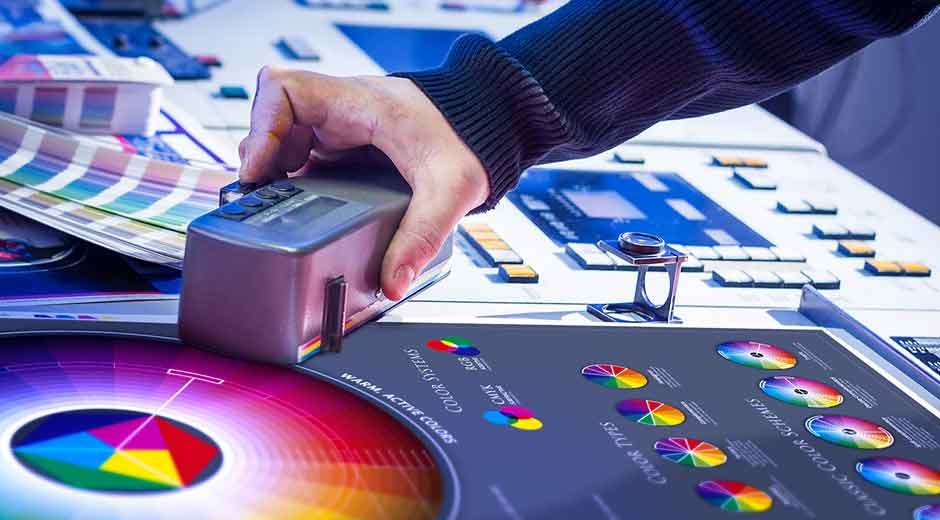
The world of creative work has always been shaped by the tools available to artists, designers, and marketers. In recent years, advancements in modern print technology have transformed the way creative professionals approach their projects, allowing for more precision, innovation, and flexibility than ever before. From large-scale installations to intricate designs, print technology is no longer just a support tool—it has become a key driver of creative possibilities.
Expanding the Boundaries of Design
One of the most significant ways modern print technology is changing creative work is by expanding what is possible in design. High-resolution printers now allow for incredibly detailed imagery and vibrant colour reproduction that was once unattainable. This means that designers can experiment with textures, gradients, and intricate patterns without worrying about losing quality in the final output. For industries like interior design, advertising, and packaging, this opens up opportunities to create eye-catching visuals that stand out in a crowded marketplace.
Additionally, modern print technology supports complex materials beyond standard paper. Creative professionals can now print on fabrics, metals, plastics, and even wood, giving rise to unique products and installations. This versatility encourages artists to experiment with mediums they may not have previously considered, resulting in innovative and dynamic creative projects.
Speed and Efficiency in Production
Another major advantage of modern print technology is the speed and efficiency it brings to creative workflows. Traditional printing processes often required long lead times and multiple stages of production, which could limit experimentation and slow down project timelines. Today, advanced printers streamline this process, producing high-quality outputs quickly and reliably. This allows creative teams to iterate faster, test different concepts, and respond to client feedback with minimal delays.
For businesses that rely on visual marketing, this efficiency translates into the ability to launch campaigns faster and capitalise on trends as they happen. Designers and marketers no longer have to compromise between quality and speed; they can achieve both, ensuring that creative work remains fresh and relevant.
Personalisation and Customisation
Modern print technology also empowers creative professionals to offer a level of personalisation that was previously difficult or impossible. Digital printing techniques enable on-demand production, allowing for individualised designs without the need for large print runs. This is particularly valuable in sectors like fashion, promotional products, and event design, where clients increasingly expect unique, tailored experiences.
For instance, a marketing campaign can feature custom-printed packaging or personalised promotional items that connect with audiences on a deeper level. Similarly, artists can create limited editions of prints or bespoke pieces that reflect their creative vision while appealing to collectors who value exclusivity.
Large-Scale Creativity with Wide-Format Printers
Perhaps one of the most striking changes in creative work comes from the use of wide-format printers. These machines allow designers to produce large-scale graphics for banners, murals, signage, and exhibitions, turning ambitious ideas into tangible realities. Companies like mimaki wide format printers provide the technology to print with high precision across expansive surfaces, giving creative professionals the tools to bring immersive environments and bold visual statements to life.
Wide-format printing not only enhances the visual impact of creative projects but also makes them more versatile. Designers can explore new spatial dimensions, experiment with scale, and integrate large graphics into physical spaces in ways that were previously impractical or impossible.
Conclusion
Modern print technology is no longer a supporting element of creative work; it is a catalyst for innovation. By enabling precision, efficiency, personalisation, and large-scale production, these advancements are reshaping the way creative professionals approach their craft. From intricate designs on unconventional materials to striking large-format installations, the possibilities are virtually limitless. As technology continues to evolve, creative work will keep expanding in scope and imagination, proving that the right tools can truly redefine what is possible.