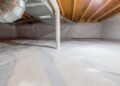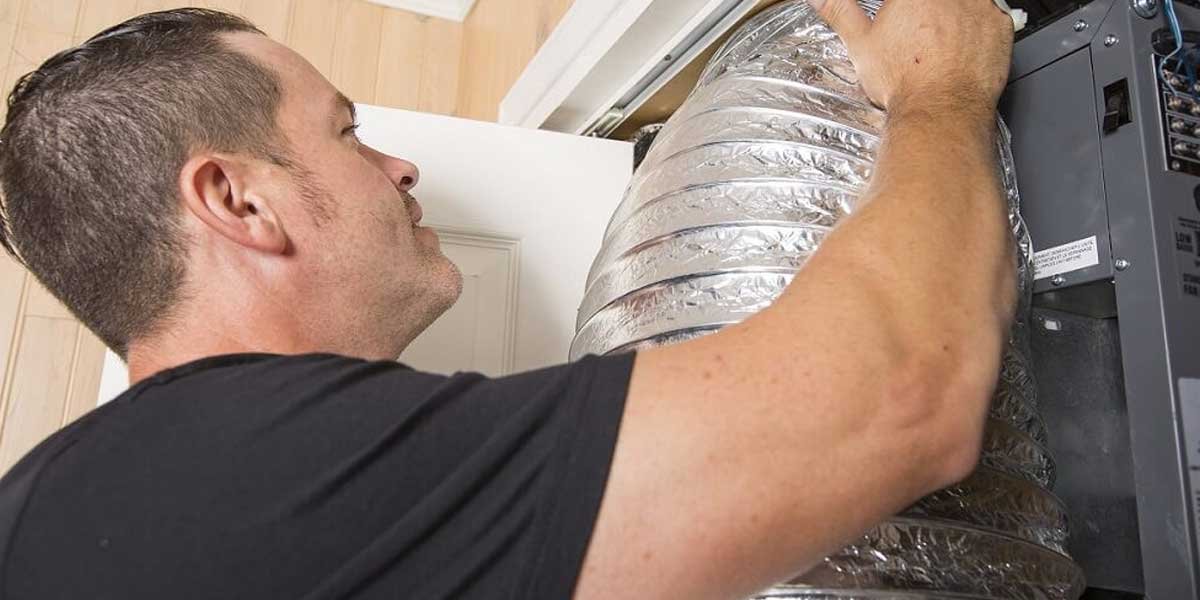
Replacing ductwork in a typical American home runs $1,400 to $7,000, with a national average near $3,500. Whole-home replacements in larger or older houses regularly land between $6,000 and $12,000 once removal, materials, and code-required upgrades are included. Linear-foot pricing sits at $25 to $55 installed.
The spread is huge because two houses with identical square footage can quote $4,000 apart based on attic access, asbestos in old wraps, and whether the contractor pulls a permit. The price tag is rarely just about duct length.
2026 Ductwork Replacement Cost Snapshot
Most homeowners pay between $1,400 and $7,000 for full ductwork replacement, with $3,500 being the most commonly quoted figure for a 1,500-square-foot single-story home. Costs scale almost linearly with conditioned square footage, but accessibility and material choice swing the final number by 30% to 50%.
The table below pulls together pricing data from HVAC service providers across the Midwest, South, and West Coast for 2026.
| Home Size | Typical Cost Range | What’s Included |
|---|---|---|
| 1,000–1,500 sq ft | $1,500–$4,500 | Standard sheet metal, single trunk line, easy crawl space |
| 1,500–2,000 sq ft | $2,500–$5,500 | Branch redesign, R-6 insulation, 8–10 vents |
| 2,000–2,500 sq ft | $3,500–$6,700 | Two-story routing, sealed boots, return air rework |
| 2,500–3,000 sq ft | $4,500–$7,800 | Zoned dampers, multiple returns, attic insulation upgrade |
| 3,000–4,000+ sq ft | $6,000–$12,000+ | Multi-zone, custom plenums, possible structural cuts |
According to Angi (2026), the national median for a complete duct replacement project sits at $3,500, but the 10th percentile dips to $1,200 and the 90th percentile climbs past $11,500 in coastal metros.
Cost Breakdown by Component
Ductwork pricing breaks into four discrete work types, and most quotes blend two or three of them. Knowing which buckets the contractor is charging for helps you spot inflated line items.
| Work Type | Cost Range | When You Need It |
|---|---|---|
| New ductwork install (whole home) | $3,000–$7,500+ | Addition, new construction, ductless-to-ducted conversion |
| Old ductwork replacement | $4,000–$12,000+ | Crushed lines, asbestos wrap, severe leakage |
| Spot repair (sections only) | $300–$1,500 | Animal damage, single damaged run |
| Leak sealing (mastic/Aeroseal) | $250–$700 | 20% or less of system leaking |
Linear-foot pricing is the truer cost metric: $25 to $55 per linear foot installed, depending on duct material. Flexible ducting sits at the low end, rigid sheet metal at the top. A 1,800-square-foot home typically uses 120 to 160 linear feet.
What Drives the Final Quote Up or Down
Five variables explain about 80% of price differences between quotes for the same house. Listing them in the order they hit your bill: material, accessibility, system layout, removal complexity, and contractor markup.
Material Choice
Flexible ducting (insulated mylar) costs $1 to $4 per linear foot in materials. Galvanized sheet metal runs $7 to $12. Fiberglass duct board lands in the middle at $4 to $7. Sheet metal lasts 25-plus years and resists rodent damage; flex duct fails earlier but is faster to install in tight retrofits.
Accessibility
An open crawl space or unfinished basement keeps labor near $50 per hour. Tight attics, finished ceilings, or slab homes that need drywall opened can double the labor bill. Some retrofits require cutting and patching drywall for $1,000 to $4,000 on top of the duct work itself.
Asbestos and Hazardous Removal
Homes built before 1980 often have ductwork wrapped in asbestos insulation. Certified abatement adds $1,500 to $4,500 to a project, and most HVAC contractors will refuse the job until abatement is finished by a separate licensed firm.
System Redesign
Adding zoning, extra returns, or upgrading to a high-static-pressure system (for variable-speed equipment) adds $800 to $2,500. Manual J load calculations, when done properly, cost $250 to $600 but pay back in correctly sized equipment.
Regional Pricing Variation Across the US
Where you live shifts the same job by thousands. Labor rates, code stringency, and climate-driven sizing requirements push coastal metros and the Northeast 30% to 60% above national averages, while the Sun Belt interior often runs 10% to 20% below.
| Region | 1,500 sq ft Home Estimate | Driver |
|---|---|---|
| San Francisco Bay Area | $5,500–$9,000 | High labor rates, strict Title 24 code |
| New York / Boston Metro | $5,000–$8,500 | Old housing stock, asbestos prevalence |
| Midwest (Ohio, Indiana, Iowa) | $2,400–$4,800 | Lower labor, simpler basements |
| Texas / Arizona Suburbs | $2,800–$5,200 | Attic-only routing, hot climate sizing |
| Pacific Northwest | $3,500–$6,200 | Crawlspace prevalence, code upgrades |
| Southeast (GA, NC, FL) | $2,500–$5,000 | Competitive HVAC market |
Homeowners frequently get blindsided by quotes in their actual zip code. One Reddit thread from r/hvacadvice captures the sticker shock well:
“$10,000 to replace ducts in my 1000sqft house. Is this a joke? The contractor said the attic access was tight and the old ducts were full of mouse damage. I got two more quotes and they came in at $7,200 and $8,500. Apparently this is just the going rate in my area for a redo with new returns.”
— r/hvacadvice, July 2024 (11 upvotes, 115 comments)
The thread sparked 115 comments, with veteran installers confirming that tight attics with rodent-damaged ductwork routinely push 1,000-square-foot jobs into the $7,000 to $10,000 range when redesign is involved.
Hidden Costs and Red Flags Most Quotes Miss
Surface-level quotes often skip line items that surface during the job. Asking about these upfront prevents the dreaded mid-project change order, which typically adds 15% to 25% to the original bid.
- Refrigerant recovery and recharge: $300 to $600 if the AC line set must be disconnected
- Plenum and boot replacement: $400 to $1,200, almost always needed on systems older than 15 years
- Drywall repair and paint touch-up: $1,000 to $4,000 for finished-ceiling retrofits
- Permit and inspection fees: $50 to $500 depending on jurisdiction
- Manual J load calculation: $250 to $600, skipped by 70% of low-bid contractors
- Disposal fees for old ductwork: $150 to $400, especially if insulation is fiberglass-heavy
The biggest red flag in a quote is a flat per-vent or per-room price with no mention of linear footage. That pricing model favors the contractor when the actual run lengths exceed the typical home, and homeowners learn the gap only when the change order arrives.
Permits, Codes, and Rebates That Shift the Bill
Permits are required for ductwork replacement in most US jurisdictions, but enforcement is uneven. Pulling one runs $50 to $500 and triggers a final inspection that can catch undersized returns or improper sealing. Skipping the permit risks resale disclosure problems and insurance claim denials.
The 2026 federal energy efficiency tax credit covers 30% of duct sealing and replacement costs tied to a qualifying HVAC upgrade, capped at $1,200 per year under the Energy Efficient Home Improvement Credit. Many state utilities layer on rebates of $200 to $1,500 for duct sealing that achieves verified leakage below 6% of system airflow.
| Incentive | Value | Eligibility |
|---|---|---|
| Federal 25C tax credit (2026) | 30% of cost, $1,200/yr cap | Energy Star compliant install |
| State utility rebates (typical) | $200–$1,500 | Verified leakage testing post-install |
| HEEHRA Inflation Reduction Act | Up to $8,000 (low/moderate income) | Income under 150% area median |
Checking utility rebate databases before signing a contract often shaves 10% to 20% off the final out-of-pocket cost. The Database of State Incentives for Renewables and Efficiency (DSIRE) lists program availability by zip code.
How to Vet Contractors and Get Honest Quotes
Three quotes is the minimum for a project this size. The best protection against overbilling is asking each contractor the same set of pointed questions and watching how they respond.
- “Will you perform a Manual J load calculation and show me the report?” Anyone who says it’s not needed is guessing at sizing.
- “What’s the linear footage estimate and the per-foot price?” Flat-fee quotes hide markup; linear pricing is auditable.
- “Are you pulling a permit, and is post-install duct leakage testing included?” A “no” to either suggests corner-cutting.
- “What’s the warranty on labor and materials separately?” Reputable installers offer 5 to 10 years on labor; materials carry the manufacturer warranty.
- “Can I see references from jobs completed in homes my age?” Old-home retrofits are a distinct skill set.
Quotes that come back within 15% of each other are usually trustworthy. When one is dramatically lower, it almost always reflects a scope omission, not a competitive bid.
Frequently Asked Questions
Can I install ductwork myself?
Partial DIY is possible for accessible runs in basements or crawl spaces, but most homeowners save only 20% to 30% on labor while voiding HVAC warranties and risking failed inspections. The Manual J calculation, plenum sizing, and static pressure balancing require trade-specific tools and knowledge.
What are the alternatives to a full replacement?
Aeroseal duct sealing ($1,500 to $3,000) addresses leakage without ripping out ducts and works well when the existing system is structurally sound. Spot repair of damaged sections runs $300 to $1,500. Both options extend duct life by 5 to 10 years when the underlying material is still in good shape.
How can I reduce ductwork replacement costs?
Bundle the work with an HVAC equipment upgrade to share labor mobilization fees, schedule the job in shoulder seasons (March or October), and apply for the federal 25C tax credit plus any local utility rebates. Choosing flex duct in low-traffic attic runs while using rigid metal in trunks can also trim 10% to 15%.
How long does ductwork replacement take?
A standard 1,500-square-foot home takes two to four days. Larger homes or asbestos abatement projects can stretch to a week or more. Expect the HVAC system to be offline for one to three of those days, so plan around weather extremes.
When should you replace ductwork instead of repairing it?
Replace when leakage exceeds 20% of system airflow, when ducts are over 25 years old, after major rodent or water damage, or when you’re switching to a high-efficiency variable-speed system that demands different static pressure. Spot repairs are fine for isolated damage on otherwise healthy ductwork.
Bottom Line
Budget $3,500 as a planning baseline for ductwork replacement in a typical 1,500-square-foot home, then adjust up by 30% to 50% if your home is older, has tight attic access, or sits in a high-cost metro. Get three written quotes, demand linear-foot pricing, and confirm the permit and rebate stack before signing. The right contractor in the right season can put as much as $1,500 back in your pocket without changing the scope of work.
Maintaining a household often brings unexpected costs that can complicate even the most disciplined repayment strategy. For instance, sudden mechanical failures or the need for seasonal maintenance on home systems may arise without warning, requiring quick financial decisions. Finding a professional hvac near me to address these issues promptly can prevent small problems from turning into expensive emergency repairs. By planning for these inevitable home upkeep tasks alongside a debt management plan, homeowners can maintain their indoor comfort while avoiding new high-interest charges that might otherwise derail their progress toward becoming debt-free.
While structuring your personal finance strategy around these debt payoff methods, it is also wise to consider how physical home assets play into your overall monthly budget. For example, maintaining an efficient hvac system can prevent sudden, expensive emergency repairs that threaten to disrupt your payment schedules. Keeping these utility and repair costs predictable makes sticking to your financial plan much easier over time.