Friday, April 17, 2026
Mitmunk
  • Home Improvement
  • Finance
  • Lifestyle
  • Business
  • Seo Digital
  • Auto
  • Law
  • Health
  • Other
    • Travel
    • Outdoor
    • Fashion
    • Entertainment
    • Construction
    • Education
    • Tech
    • Pet
    • Real Estate
No Result
View All Result
  • Home Improvement
  • Finance
  • Lifestyle
  • Business
  • Seo Digital
  • Auto
  • Law
  • Health
  • Other
    • Travel
    • Outdoor
    • Fashion
    • Entertainment
    • Construction
    • Education
    • Tech
    • Pet
    • Real Estate
No Result
View All Result
MitMunk
No Result
View All Result
Home Lifestyle
Integrating Biophilic Design: Creating Homes That Harmonize with Nature

Integrating Biophilic Design: Creating Homes That Harmonize with Nature

Share on FacebookShare on Twitter

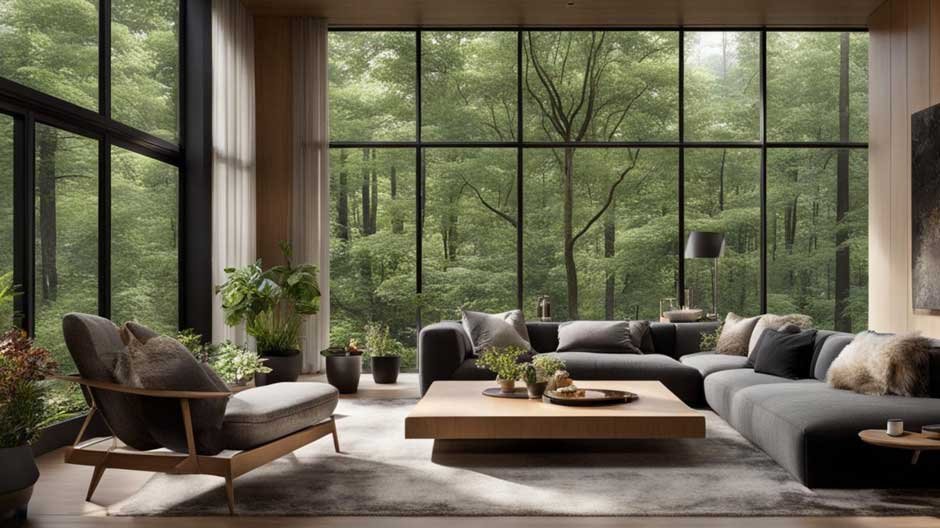
Imagine waking up to the gentle rustle of leaves, sunlight filtering through wooden blinds, and the soothing scent of fresh herbs wafting from your kitchen. Sounds like a serene escape, doesn’t it? This isn’t an exotic resort or cabin deep in the woods—it’s your home. Thanks to biophilic design, this can be your new lifestyle with the help of Professional Home Remodeling Services. Rooted in humanity’s innate connection to nature, biophilic design transforms living spaces into natural sanctuaries, balancing aesthetics and well-being. Let’s explore how this concept can turn any home into a haven of tranquility.

Table of Contents

Toggle
  • What Is Biophilic Design?
  • Step One: Bring in the Greenery
  • Step Two: Let There Be Light
  • Step Three: Embrace Natural Materials
  • Step Four: Create Multi-Sensory Experiences
  • Step Five: Design for Flow and Function
  • The Science-Backed Benefits
  • Conclusion

What Is Biophilic Design?

Biophilic design is about more than just adding a few houseplants to your living room. It’s an architectural philosophy that integrates elements of the natural world into built environments, aiming to enhance physical and mental well-being. This goes beyond aesthetics—biophilic design can reduce stress, improve air quality, and even boost productivity. Think natural light, organic materials, lush greenery, and spaces that mimic the flow and rhythm of nature.

The roots of this concept stem from biophilia, a term popularized by American biologist Edward O. Wilson, which describes humanity’s inherent love for nature. In today’s hyper-urbanized world, biophilic design connects us with the natural world—right from the comfort of our homes.

Step One: Bring in the Greenery

It’s no surprise that plants are the poster children of biophilic design. Incorporating greenery into your home elevates the decor, improves air quality, and provides a sense of calm. However, this is about more than just scattering succulents around—strategic placement is key.

For example, vertical gardens or living walls are show-stopping features that pack a functional punch, absorbing noise and purifying air. If that’s a bit ambitious, try clustering plants of various heights and textures in different parts of your home to create mini “jungle zones.” Opt for easy-to-maintain varieties like pothos, snake plants, or monstera to keep your indoor forest thriving with minimal effort.

Step Two: Let There Be Light

Natural light is the unsung hero of biophilic design. Sunlight doesn’t just brighten your space. It boosts mood, regulates circadian rhythm, and reduces energy consumption.

Start by maximizing natural light. Choose sheer curtains instead of heavy drapes, rearrange furniture to allow light to flow freely, and use mirrors strategically to reflect sunlight into darker corners. Full-spectrum light bulbs can mimic daylight for spaces that don’t receive ample natural light, bringing similar warmth and vibrancy.

Skylights and large windows can also be game-changers if you consider remodeling. They flood your space with light and provide uninterrupted views of the sky, giving you an ever-changing canvas of clouds, stars, and sunsets. Just make sure you contact professional home remodeling services near you to get the best results!

Step Three: Embrace Natural Materials

When it comes to materials, consider wood, stone, bamboo, and rattan—all of which evoke a sense of groundedness. Where possible, swap out synthetic surfaces for natural ones. Wooden floors, stone countertops, and jute rugs can instantly add warmth and texture to your space.

Even smaller touches can make a big difference. Opt for handmade ceramics, woven baskets, and linen fabrics to create an inviting, tactile environment. And don’t forget to mix textures—smooth polished wood paired with rough stone elements creates a dynamic yet cohesive look.

Step Four: Create Multi-Sensory Experiences

Biophilic design is more than what you see—it’s about what you feel, hear, and smell. Layering sensory elements can deepen your connection to nature and elevate your overall experience.

Incorporate water features like small fountains or aquariums for the soothing sound of flowing water. Use essential oil diffusers with scents like eucalyptus or lavender to evoke the feeling of walking through a forest. Choose materials with varied tactile qualities—think soft sheepskin throws and smooth ceramic planters. And don’t underestimate the power of soundscapes; apps or devices that play birdsong or gentle rain can transport you to the heart of nature.

Step Five: Design for Flow and Function

Nature doesn’t do clutter, and neither should you. Biophilic design emphasizes spaces that feel open, harmonious, and functional. Decluttering is step one, but it’s also important to design layouts that promote easy movement and a sense of flow.

Open floor plans, rounded furniture edges, and pathways that mimic the organic curves of rivers can create a soothing, unconfined vibe. Zones dedicated to different activities—like a cozy reading nook by the window or a yoga mat near a sunny corner—help create purposeful spaces to relax and recharge.

The Science-Backed Benefits

The perks of biophilic design go beyond the visual appeal. Studies have shown that exposure to natural elements can lower cortisol levels, reduce blood pressure, and enhance creativity. A home infused with biophilic design principles isn’t just beautiful—it’s a wellness retreat that improves your overall quality of life. You can start this wellness journey with the help of Professional Home Remodeling Services.

Conclusion

As we spend more time indoors, the need to reconnect with nature has never been more urgent. Biophilic design bridges this gap, offering aesthetic upgrades and a pathway to a healthier, happier lifestyle. So, why not take the first step? Whether adding a potted fern to your desk or reimagining your entire living space, integrating biophilic design invites the outside in—creating homes that breathe, inspire, and heal. Because at the end of the day, nature isn’t just outside our windows; it’s a part of who we are.


Related Posts

When Should You Ship Your Car Instead of Driving It Across States

When Should You Ship Your Car Instead of Driving It Across States

by Emily Stevens
April 9, 2026
0

For car owners, shipping a vehicle over state lines begs many questions. A lot of folks think about whether to...

How Scripture Guides Compassion in Challenging Times

How Scripture Guides Compassion in Challenging Times

by Emily Stevens
April 8, 2026
0

In times of hardship, many people turn to Scripture for guidance, reassurance, and clarity. The Bible presents compassion not simply...

Power-of-Proximity-The-Importance-of-Social-Connectivity-Later-in-Life

Power of Proximity: The Importance of Social Connectivity Later in Life

by Emily Stevens
April 3, 2026
0

Later adulthood often brings meaningful freedom, reflection, and perspective. Yet it can also introduce quieter days as professional obligations fade,...

POPULAR NEWS

Delores Miller Clark

Delores Miller Clark: Learn More about John List’s Ex-Wife

September 27, 2022
Lisa Seal Frigon

Lisa Seal Frigon: All about Drug Lord Barry Seal’s Daughter

September 18, 2022
Deserai Anderson Utley Personal Life, Career, & More

Deserai Anderson Utley Personal Life, Career, & More

September 30, 2022
Linnell S. Nobori

Linnell S. Nobori: All there is to Know about Ted Bessell’s Wife

September 5, 2022
Gweneth Gonzales Thomas

What You May Not Know About Gweneth Gonzales Thomas, Richard Thomas’ Daughter

August 2, 2022

EDITOR'S PICK

How-to-Furnish-a-High-Tech-Bedroom-for-Kids

How to Furnish a High-Tech Bedroom for Kids

December 2, 2025
Organizations increasingly use IT staff augmentation services to meet dynamic project demands. Augmented staff can fill skill gaps, speed up project delivery, and offer specialized expertise without long-term hiring commitments. This article will explore a step-by-step guide for successfully integrating augmented staff into your existing team to ensure seamless collaboration and maximize results. Step 1: Assess Your Team’s Needs Identifying Skill Gaps Before hiring IT staff augmentation, businesses need to assess their internal team's capabilities. What specific skills are missing? Is there a short-term need, or do you need experts for a longer period? Defining these gaps clearly helps align augmented staff with the right responsibilities from the start. Setting Clear Objectives Once skill gaps are identified, set clear goals for why you are using IT staff augmentation services. Are you looking to speed up software development or bring specialized knowledge for emerging technologies? Understanding your goal allows for better planning, budget allocation, and clearer integration strategies. Step 2: Choosing the Right Augmented Staff Partner Evaluating Potential Vendors Choosing the right staff augmentation company is crucial. Research vendors read reviews, and examine case studies to ensure their experience aligns with your industry needs. Finding a staff augmentation company with a proven track record, familiarity with your technology stack, and cultural compatibility with your team is essential. Conducting Interviews While vendors may pre-screen candidates, conducting your interviews is vital. This step ensures that the augmented staff possesses the technical expertise and soft skills required for collaboration. Factors such as communication skills and adaptability should be considered during this process. Step 3: Onboarding Augmented Staff Orientation and Training Onboarding is an essential step when integrating IT team augmentation. This process should include a comprehensive introduction to your company culture, project objectives, workflow, and tools. Documentation is vital here—ensure all relevant materials are organized and accessible to the augmented staff from day one. Assigning a Mentor or Buddy Assigning a mentor to the augmented staff helps them adjust quickly. This “buddy” can guide them through processes, answer questions, and serve as their go-to resource during the initial stages of integration. This approach fosters better collaboration and helps new team members feel supported. Step 4: Establishing Effective Communication Using Collaboration Tools Collaboration tools like Slack, Zoom, or Trello can help remote software engineering staff augmentation teams communicate effectively with in-house staff. Structured communication and regular syncs ensure everyone is aligned and the project moves forward smoothly. Regular Check-ins Regular check-ins provide opportunities to monitor progress, give feedback, and address potential issues before they escalate. Scheduling weekly or bi-weekly meetings helps maintain transparency and fosters a stronger connection between in-house and augmented staff. Step 5: Defining Roles and Responsibilities Clear Role Distribution Clearly defining the roles of both in-house and augmented staff is crucial to avoid confusion and overlap. By establishing distinct responsibilities from the beginning, you set expectations, allowing both groups to work efficiently toward the same objectives. Setting Performance Metrics Set clear performance metrics for the augmented team. Whether it's deadlines, task completion, or specific KPIs, measurable goals help track progress and ensure the augmented staff meets the project’s objectives. Step 6: Encouraging Team Integration Building a Collaborative Culture Fostering collaboration between in-house and augmented staff is vital for team unity. Organizing team-building activities, project kickoffs, and open discussions about challenges creates a collaborative atmosphere that strengthens team cohesion. Feedback and Continuous Improvement Feedback is essential for continuous improvement. Hold regular feedback sessions to identify areas for adjustment. Whether addressing process improvements or skill gaps, feedback ensures that the augmented staff becomes fully integrated and productive within the team. Best Practices for Integrating Augmented Staff ● Foster Open Communication: Use collaboration tools and schedule regular check-ins to ensure transparency. ● Provide Clear Documentation: Make sure the augmented staff has access to all relevant project materials. ● Assign Mentors: Assign a mentor to help new staff members navigate internal processes. ● Measure Performance: Set KPIs to track the contributions of the augmented team members. ● Adapt and Iterate: Continuously adjust integration strategies based on feedback and project developments. Conclusion Integrating augmented staff into your existing team can be a smooth and successful process with thoughtful planning, communication, and goal setting. By clearly defining roles, maintaining open communication, and fostering a collaborative culture, you can ensure that your IT staff augmentation strategy will not only fill critical skill gaps but also enhance overall project efficiency. With these steps, you can maximize the potential of augmented staff and ensure that your team operates seamlessly, regardless of its makeup.

Step-by-Step Guide: Integrating Augmented Staff into Your Existing Team

May 28, 2025
Dareh Ardashes Gregorian

Dareh Ardashes Gregorian: A successful personality with an extremely successful wife

January 23, 2024
Midwifery Programs

Embracing Online Learning for Midwifery Programs

March 26, 2024
Contact Us: Info@mitmunk.com

© 2022 Mitmunk Theme Copyright

No Result
View All Result
  • Homepages
    • Home Page 1
  • Business
  • Entertainment
  • Fashion
  • Health
  • Lifestyle
  • Tech
  • Travel

© 2022 Mitmunk Theme Copyright