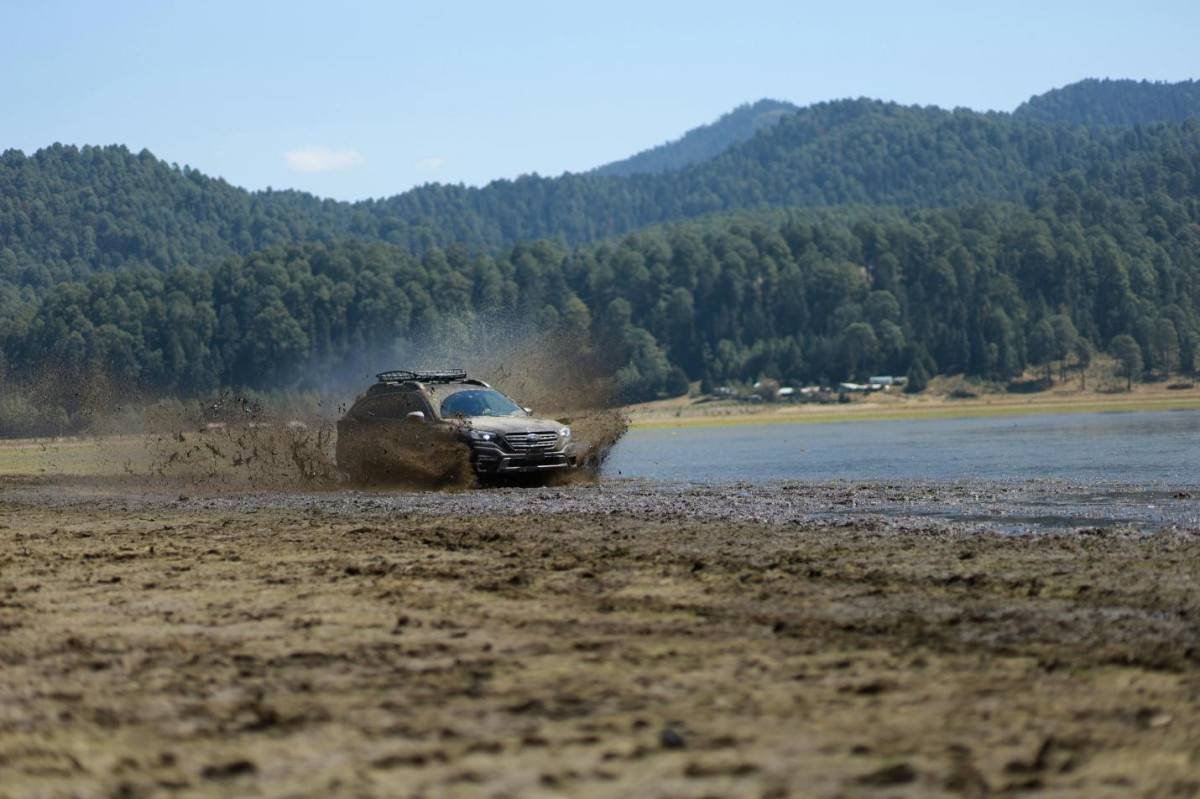
Offroading demands far more from a vehicle than paved driving ever will. Uneven terrain, steep inclines, side angles, and unpredictable surfaces place constant stress on suspension, traction, and driver judgment. One of the most critical and often misunderstood elements influencing offroad capability is center of gravity. How weight is distributed across and within a vehicle directly affects stability, control, and overall confidence on the trail.
Understanding how center of gravity works allows drivers to make better decisions about gear placement, vehicle modifications, and driving technique. Small adjustments in distribution can significantly change how a vehicle responds when climbing, descending, or navigating obstacles. For anyone serious about offroading, managing center of gravity is a skill worth mastering.
Understanding Center of Gravity in Offroad Vehicles
Center of gravity refers to the point at which a vehicle’s mass is evenly balanced in all directions. In simple terms, it is where the vehicle wants to pivot if tipped. A lower and more centrally located center of gravity generally results in increased stability, especially on uneven surfaces.
Offroad vehicles already face challenges due to higher ground clearance, taller suspension setups, and larger tires. These attributes improve obstacle clearance but also raise the center of gravity. As the center rises, the likelihood of body roll and tipping increases, particularly on side slopes and off camber trails.
Recognizing that every added component affects balance is essential. Tools, spare parts, camping gear, and recovery equipment all contribute to the vehicle’s mass. Where that mass is placed can either enhance stability or create unnecessary risk.
The Role of Weight Distribution on Stability and Control
Distribution is just as important as total weight. Even a relatively light vehicle can feel unstable if weight is poorly placed. Concentrating mass high up or too far rearward or forward can exaggerate pitch and roll movement.
Front to rear balance influences climbing and descending. Too much weight in the rear can reduce steering control on climbs. Excess front weight can overload suspension and reduce traction on the rear tires. Side to side balance becomes critical on traverses where uneven loading can cause a vehicle to lean more aggressively into off camber situations.
Weight that shifts during movement also affects handling. Loose gear or poorly secured equipment introduces momentum that compounds instability. Securing mass tightly and close to the centerline of the vehicle minimizes unwanted movement and improves predictability.
How Gear Placement Changes Offroad Performance
Gear placement decisions often prioritize convenience over physics. Roof racks, bed racks, and rear carriers offer valuable storage but significantly affect balance when loaded improperly. Placing heavy items high raises the center of gravity and increases sway.
Whenever possible, dense gear such as tools, water, and recovery equipment should be stored low and between the axles. Lighter items are better suited for higher storage zones. This approach reduces leverage forces that act on the suspension during articulation.
For trucks used in overland travel, bed mounted systems offer a balance between accessibility and weight placement when used thoughtfully. For example, a Jeep Gladiator overland bed rack can provide structured storage while allowing heavier items to remain lower in the bed rather than on the roof. Used correctly, this helps preserve stability while expanding carrying capacity.
The guiding principle is consistency. Every item should have a designated location that supports balanced loading and secure attachment.
Suspension Response and Center of Gravity Interaction
Suspension components are designed with specific weight ranges in mind. Changes to center of gravity alter how springs, shocks, and sway bars react under load. A higher center magnifies body roll, which can overwhelm factory suspension tuning.
As a vehicle leans, weight transfers laterally, reducing traction on the uphill side tires. This loss of grip can lead to wheel lift or sliding depending on surface conditions. Managing center of gravity reduces excessive transfer and keeps more tires effectively planted.
Upgraded suspension can compensate to some extent, but it cannot fully offset poorly distributed weight. Even well built systems benefit most when the load is balanced and kept low. Suspension tuning should complement thoughtful distribution rather than replace it.
Driver Technique as a Counterbalance Factor
While hardware plays a major role, driver input also influences how center of gravity affects performance. Smooth throttle control, controlled braking, and deliberate steering reduce sudden weight shifts.
Approaching obstacles at appropriate angles minimizes lateral forces. On climbs, maintaining steady momentum prevents rearward weight surges that destabilize the front end. Descending with restraint limits forward pitch and preserves rear traction.
Experienced drivers instinctively compensate for distribution by choosing lines that favor stability. Understanding your vehicle’s balance allows you to anticipate how it will react before committing to a maneuver. This awareness is built through practice and evaluation.
Evaluating and Adjusting Your Load Setup
Regularly assessing your load setup keeps performance consistent. Before trips, review what is packed and critically question necessity. Reducing excess weight improves every aspect of offroad driving.
Test changes incrementally. Alter one variable at a time and notice how the vehicle responds. Pay attention to body roll, braking feel, and traction on familiar terrain. These observations provide valuable feedback.
Photographing load layouts and keeping notes can help refine setups over time. As experience grows, adjustments become more intuitive, leading to safer and more efficient trail travel.
Conclusion
Managing center of gravity is a foundational aspect of effective offroading performance. Weight placement influences stability, traction, suspension behavior, and driver confidence. By understanding how distribution affects vehicle dynamics and making deliberate decisions about gear, setup, and driving technique, offroaders can significantly improve safety and control. Thoughtful management of center of gravity transforms capability from chance into consistency, allowing vehicles and drivers to perform at their best across challenging terrain.