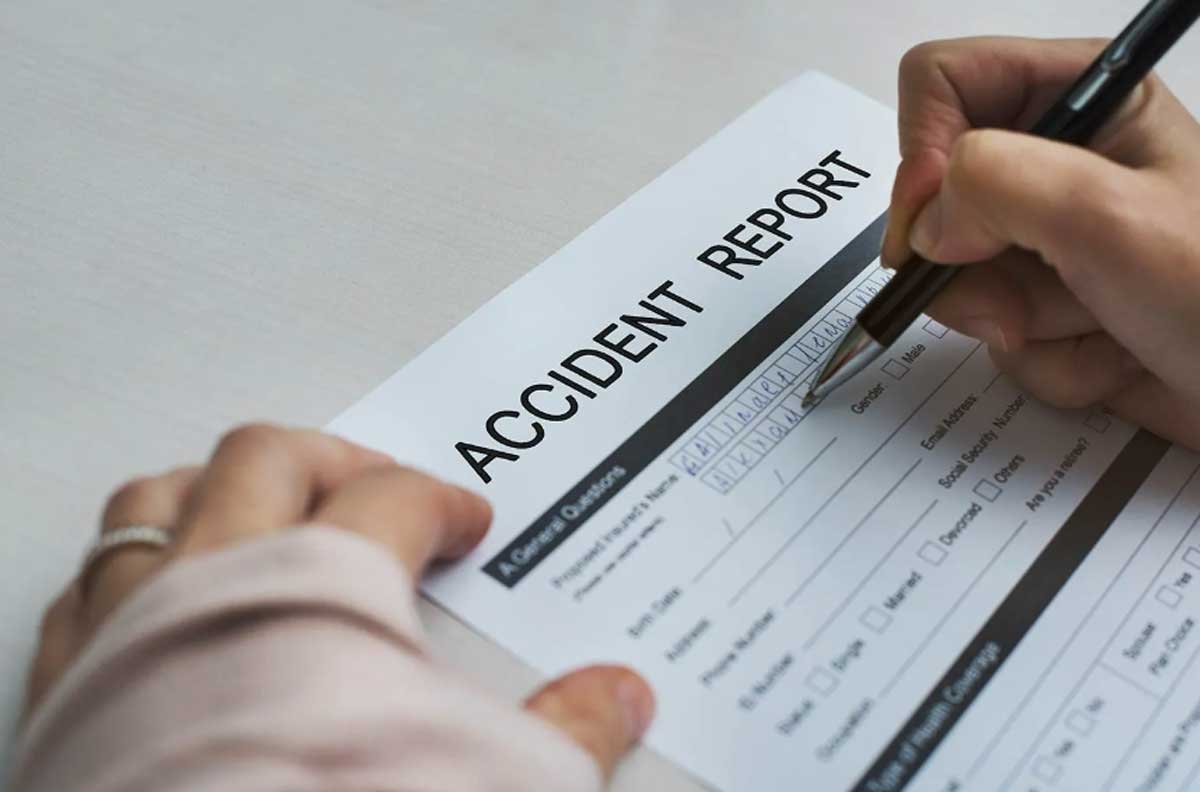
When an accident happens, the immediate focus naturally turns to getting medical attention and ensuring everyone remains safe. During this turbulent period, most people do not realize that a seemingly routine document will become the foundation for any future legal or insurance proceedings. The accident report, whether completed by police officers or other authorized officials, represents the first formal documentation of the events that transpired.
These reports bring order to situations that are inherently disorganized and stressful. They capture information while memories remain fresh and details have not yet become muddled by time. Since personal injury cases rely so heavily on concrete evidence, having a thorough and accurate accident report can make or break the success of a claim.
Creating a Neutral Account of Events
Perhaps the most valuable function of an accident report lies in its objectivity. When people experience traumatic events, their recollections often differ dramatically due to shock, pain, or mental confusion. The accident report documents fundamental facts including when and where the incident occurred, what the weather and road conditions were like, and what physical damage resulted. Many reports also include visual diagrams and the observations of the investigating official. “Working with a knowledgeable personal injury lawyer helps ensure that accident reports get interpreted correctly and used effectively to protect the legal interests of injured individuals,” says Felix Gonzalez of Felix Gonzalez Accident and Injury Law Firm.
Both insurance companies and lawyers treat these documents as essential starting points when they begin examining a claim. Although an accident report does not legally establish who bears fault, it provides a balanced summary that shapes how everyone views the incident. This initial perspective often determines how seriously the claim gets treated and how discussions about responsibility develop.
Determining Who Bears Responsibility
Most accident reports contain notes about what might have caused the incident to occur. Officers frequently document traffic law violations, hazardous conditions, or behaviors that appeared to contribute to the collision. The report might indicate whether tickets were issued or whether certain actions seemed particularly relevant to what happened, information that personal injury law firms perth can use when assessing the circumstances of an injury claim.
Questions of liability sit at the heart of every personal injury case. Insurance adjusters and attorneys examine accident reports closely to figure out who should bear responsibility and in what proportion. While the report does not constitute a legal verdict, its contents carry substantial weight in shaping early conclusions about fault.
Recording Injuries and Emergency Response
Accident reports also serve as crucial medical documentation. They typically note whether paramedics were summoned, what visible injuries the responding officer observed, and whether anyone refused treatment at the scene. This information frequently becomes central during insurance negotiations.
Insurance companies sometimes attempt to minimize claims by arguing that injuries were either insignificant or developed from something other than the accident. The accident report helps establish a clear connection between the incident and subsequent medical problems, which proves essential when demonstrating that injuries resulted directly from the collision.
Capturing Witness Details
Officers completing accident reports routinely record the names, phone numbers, and addresses of people who witnessed the events. They also often include brief summaries of what these witnesses stated. Such testimony can prove invaluable in personal injury litigation, particularly when the people directly involved tell conflicting stories. As time passes, witnesses become harder to track down and their recollections grow less reliable. By capturing this information immediately, accident reports prevent crucial perspectives from disappearing.
Correcting Mistakes and Safeguarding the Claim
Even though accident reports carry tremendous importance, they sometimes contain errors. Mistakes happen because officers work under time constraints, receive incomplete information, or misunderstand what occurred. Inaccurate details about where vehicles were positioned, what condition the road was in, or who was involved can seriously damage a personal injury claim if nobody catches them.
Understanding how much accident reports matter encourages injured individuals to examine them thoroughly and look for potential problems. When inaccuracies come to light, people can take prompt action to correct or supplement the record using photographs, medical documentation, or professional analysis.
Conclusion
Accident reports serve as cornerstones of personal injury claims because they provide neutral documentation, support determinations about responsibility, record injuries, and preserve vital evidence. Given the substantial influence these documents carry, anyone pursuing compensation after an injury must understand their importance.