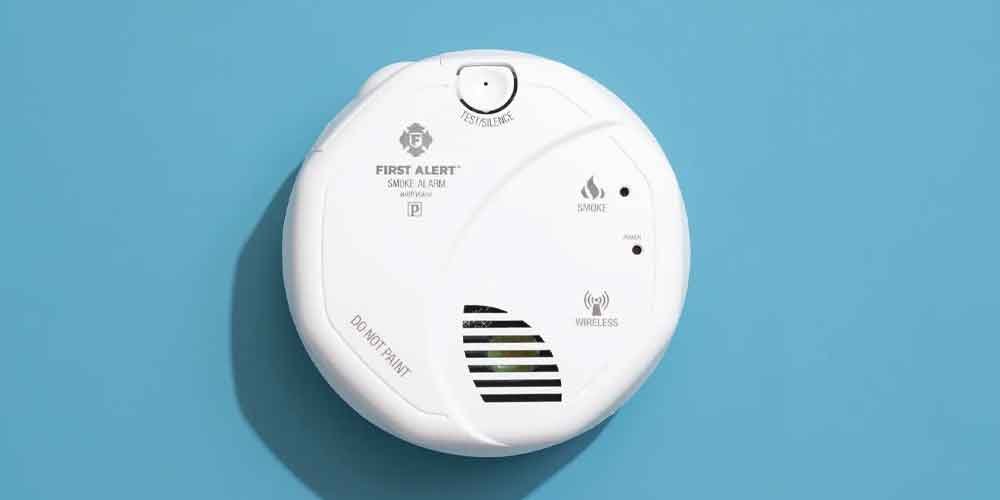
Home should be a place of comfort and peace, a space where people relax, connect with loved ones, and recharge. But as any homeowner knows, everyday living also comes with hazards, from a forgotten pan on the stove to overloaded sockets or faulty appliances. Traditionally, safety tools have been technical or intimidating, often stored away and rarely used until a crisis.
In recent years, this has changed. A new generation of simpler safety tools is reshaping how households approach risk, prevention, and confidence. These products are not just easier to use; they encourage everyday families to feel prepared and capable rather than overwhelmed by complexity.
Here’s what simpler safety tools mean for everyday households.
Ease of Use Reduces Hesitation
One of the biggest barriers to effective safety response is uncertainty. Classic safety equipment, such as large fire extinguishers, can be confusing to operate. Many homeowners would rather hope for the best than face a complicated manual while smoke fills a kitchen.
Simplified safety tools remove hesitation. Clear instructions, intuitive design, and single-action operation make it more likely that a tool will be used when it matters most. Tools like the All Purpose Fire Extinguisher are built to be accessible to everyone in the household. If a small fire starts, the response can be immediate and effective without fear of doing more harm than good.
When safety feels simple, people act sooner. Acting sooner reduces harm, stress, and potential damage.
Confidence Is Part of Everyday Life
Confidence in safety equipment changes household behavior. Families who know they have accessible, easy-to-use tools are more likely to engage with safety planning. They will:
- show tools to children (with age-appropriate guidance)
- include safety check-ins in routines
- place equipment where it can be found quickly
Confidence matters because emergencies are as much behavioral as they are technical. A homeowner who feels secure is more likely to respond quickly and appropriately when something goes wrong.
Encouraging Preparedness at All Ages
Simplified safety tools bring preparedness into everyday awareness. Unlike traditional tools that are stored out of sight, modern user-friendly tools are often kept in visible, familiar places. When safety tools are part of the home environment rather than hidden away, families internalize the idea that safety is ongoing and normal.
This visibility helps children and teenagers learn what safety equipment looks like, where it is kept, and how it works. Preparedness becomes part of family knowledge rather than a one-off training moment.
Reducing the Fear Factor
Complex manuals and multiple symbols can make safety tools seem intimidating. Simpler designs reduce this psychological barrier. Tools with clear visual cues and straightforward activation reduce fear and boost willingness to engage.
The fear factor drops when people understand how a tool works before they need to use it. This has a ripple effect: households become more proactive about safety, not just reactive.
Encouraging Early and Appropriate Response
Timeliness matters in home emergencies. A small kitchen fire that is tackled immediately can remain small. The same incident left unaddressed for a few minutes can escalate quickly.
Simpler safety tools reduce the friction between problem and response. When activation is obvious and straightforward, families are more likely to intervene at the earliest moment. This reduces the risk of escalation, reduces potential damage, and prevents stress from overwhelming decision-making.
A Culture of Everyday Prevention
Simplified tools contribute to a broader culture of prevention at home. When people feel equipped, they are more likely to adopt preventative habits such as:
- checking smoke detector batteries regularly
- keeping flammable materials away from heat sources
- maintaining electrical appliances
- storing safety tools in obvious, accessible locations
Prevention is often more effective than reaction. Easier tools help shift mindsets toward everyday care and awareness.
Cost-Effective Safety for Real Homes
Many households avoid investing in safety equipment because of cost concerns. Simplified tools are not only easier to use but often more affordable and accessible. They provide practical protection without the perception that safety equipment belongs only in commercial or industrial settings.
Affordable safety tools empower all households, regardless of budget, to make meaningful improvements in their risk preparedness.
Empowerment Through Knowledge
A simple design does more than shorten response times. It encourages learning. When families understand how a tool functions, they are better equipped to teach others. Knowledge spreads organically in a home environment when tools feel familiar and understandable.
Empowerment is not about complexity. It is about clarity.
Making Safety Part of Everyday Conversation
When safety tools are intuitive, they become part of regular household conversation. Instead of gathering dust in a cupboard, they are referenced, explained, checked, and respected. This normalizes safety awareness and turns it into a positive habit rather than something associated only with fear or emergency.