Replacing a roof is not something most homeowners look forward to. It is expensive, disruptive, and easy to put off until the problem becomes impossible to ignore. But when the time does come, the material you choose makes a far bigger difference than most people realize, not just in the short term, but across the decades that follow. That is exactly why so many homeowners are taking a closer look at coastal metal roofing solutions as a long-term alternative to conventional asphalt shingles.
Metal roofing has been used on commercial and industrial buildings for generations, but it has steadily gained ground in the residential market over the past two decades. The reasons are not complicated. Metal simply outperforms most other roofing materials in durability, weather resistance, and total cost of ownership when the numbers are measured honestly over the full life of the roof.
What Makes Metal Different From the Start
The most obvious difference between metal roofing and asphalt shingles is lifespan. A standard asphalt roof lasts anywhere from 15 to 25 years under normal conditions. A properly installed metal roof routinely lasts 40 to 70 years, and many manufacturers back that claim with warranties stretching 30 to 50 years. That single fact changes the entire financial picture when you are comparing options side by side.
Beyond lifespan, metal is also one of the most structurally consistent roofing materials available. It does not crack, warp, or break down the way organic materials do when exposed to years of heat, cold, rain, and sun. What you install is essentially what you will still have in three decades, which is a level of reliability that very few roofing products can honestly claim.
How Metal Handles Weather That Other Materials Cannot
Weather is where metal roofing earns its reputation. Standing seam panels are designed with interlocking edges and concealed fasteners, eliminating the exposed attachment points that loosen over time and allow water to work its way in. When wind speeds pick up during a significant storm, that locking system resists uplift in a way that overlapping shingles simply cannot match. Many residential metal systems are tested and rated for sustained winds of 120 miles per hour or more.
In regions that see heavy snowfall, the naturally smooth surface of a metal roof encourages snow to slide off rather than accumulate. This protects the structural load on the home and prevents the ice dams that form along eaves when melt water refreezes. Metal also carries a Class A fire rating, the highest classification available which matters significantly in areas where wildfire risk is a serious seasonal concern.
The Energy Efficiency Argument Is Real
A lot of roofing materials absorb heat and transfer it directly into the home. Dark asphalt shingles do this particularly well, which works against homeowners throughout the summer months. Cooling systems end up compensating for heat that the roof is actively pushing indoors, and the electricity bill reflects that effort month after month.
Metal roofing reflects solar radiant heat rather than absorbing it. Depending on panel color and regional climate, this characteristic typically translates to a cooling cost reduction of 10 to 25 percent during warm months. Over the course of a 40-year roof lifespan, the cumulative energy savings form a meaningful part of the total financial case for metal. Some metal roofing products also qualify for energy efficiency tax credits, which can help offset a portion of the upfront installation cost.
Understanding the True Cost Over Time
The upfront cost of metal roofing is higher than asphalt, typically running between $7 and $14 per square foot installed depending on the material type and roof complexity. That number can give some homeowners pause, but it loses much of its weight when you factor in the full picture. With asphalt shingles, you may replace your roof two or three times within the same period that a metal roof is still performing. Each replacement brings labor costs, material costs, and considerable disruption. When those numbers are stacked against the single higher investment of metal, the math often favors metal over the long run.
There is also the maintenance consideration. Metal requires very little ongoing attention beyond occasional inspections and keeping gutters clear. Asphalt shingles, by contrast, tend to require progressively more frequent repairs as they age, particularly after severe weather events.
Choosing the Right Metal for Your Specific Situation
Not all metal roofing materials perform the same way, and the right choice depends largely on the environment the home sits in. Aluminum is lightweight, naturally corrosion-resistant, and holds up exceptionally well in coastal or high-humidity environments where salt air accelerates the breakdown of other metals. Steel panels, typically finished with a galvanized or Galvalume coating, offer greater impact resistance and are a strong choice in areas prone to hail or high winds. Both materials perform well over time when properly selected and installed for the specific conditions they will face.
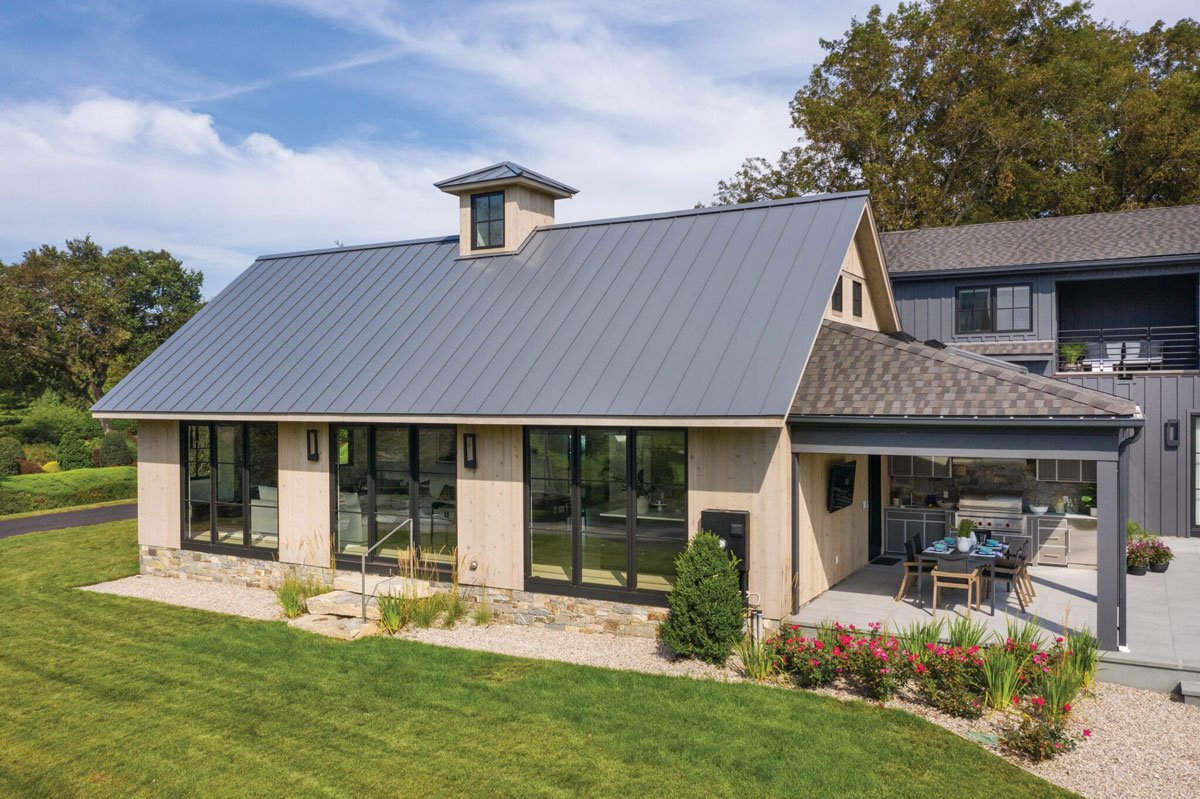
Modern metal roofing also comes in a wide range of profiles and colors. Options include standing seam panels, metal shingles that closely resemble slate or wood shake, and styles suited to both contemporary and traditional architecture. The material no longer asks homeowners to compromise on appearance in exchange for decades of reliable performance.
When Repairs or Replacement Become Necessary
Even a well-maintained metal roof will occasionally need professional attention. Flashing around chimneys, skylights, and pipe penetrations is a common point of failure over time. Severe hail can dent certain panel types. And a roof that was not installed correctly from the start may develop issues at seams or fasteners years down the line that require a specialist to properly diagnose and address.
When that time comes, working with qualified metal roof replacement services is worth prioritizing. Contractors who specialize in metal systems understand how panels expand and contract with temperature swings, how to match existing materials for partial repairs, and how to preserve the integrity of a roof that was built to last for decades. Getting that work done right directly affects how many more years of solid performance the roof has left in it.
Final Word
Metal roofing is not the right choice for every homeowner or every budget, but for those planning to stay in their home long term and wanting a roof that genuinely handles itself, it is hard to argue against. The combination of longevity, weather performance, energy savings, and low maintenance adds up to a material that earns its cost over time. If your current roof is approaching the end of its useful life, it is worth doing the full math and not just comparing the price per square foot, but thinking seriously about what you want to stop dealing with for the next four decades.