Energy efficiency is no longer a secondary consideration in modern architecture—it is a foundational priority. As energy costs rise and environmental awareness grows, the importance of designing buildings that consume less energy has become increasingly clear. While advanced technologies and retrofits can improve performance, the most significant impact often comes from decisions made during the earliest stages of design. These initial choices shape how a building interacts with its environment, influencing everything from heating and cooling demands to long-term operational costs.
Site Selection and Building Orientation
One of the earliest and most critical design decisions influencing energy efficiency is site selection and building orientation. The way a building is positioned on its lot directly affects how it interacts with natural sunlight, wind patterns, and surrounding features. By aligning a structure to maximize solar gain in colder months and minimize it during warmer periods, architects can significantly reduce the need for artificial heating and cooling.
Proper orientation often means placing the building’s longest facade along an east-west axis. This allows for strategic placement of windows that capture daylight while avoiding excessive heat gain. Additionally, the location of trees, nearby structures, and terrain features can either block or enhance natural elements such as sunlight and airflow. Thoughtful positioning at this stage creates a strong foundation for long-term energy savings.
Building Envelope and Insulation Strategy
The building envelope—the physical barrier between indoor and outdoor environments—plays a crucial role in energy performance. Early decisions about materials, insulation, and construction methods determine how well a structure retains heat, resists moisture, and maintains a stable interior temperature.
High-performance insulation and airtight construction reduce unwanted heat transfer, keeping indoor spaces comfortable without excessive reliance on mechanical systems. Window selection is equally important, as poorly insulated glazing can lead to significant energy loss. Double or triple-pane windows with low-emissivity coatings help regulate interior temperatures while still allowing natural light to enter.
Engaging experienced professionals, such as boulder architects in residential neighborhoods, often ensures that these early envelope decisions are aligned with both climate conditions and long-term efficiency goals. Their expertise can help balance design aesthetics with high-performance building standards, resulting in a structure that is both visually appealing and cost-effective to operate.
Passive Design Strategies
Passive design strategies are among the most effective ways to enhance energy efficiency, and they are most successful when incorporated from the beginning. These strategies utilize natural elements—such as sunlight, shade, and airflow—to regulate indoor conditions without mechanical assistance.
For instance, incorporating thermal mass materials like concrete or stone allows buildings to absorb and store heat during the day, releasing it slowly at night. Shading devices such as overhangs and pergolas help control solar exposure, preventing overheating during warmer months. Cross-ventilation can be achieved through careful placement of windows and openings, allowing fresh air to circulate naturally.
By embedding passive strategies into the initial design, architects can significantly reduce energy demand while improving indoor comfort. These features are often more effective and less costly than trying to retrofit solutions later.
Efficient Space Planning and Layout
The internal layout of a building also influences its energy efficiency. Early planning decisions regarding room placement and circulation patterns can optimize how energy is used throughout the space. For example, frequently occupied areas can be positioned to receive the most natural light and warmth, reducing the need for artificial lighting and heating.
Zoning is another important consideration. Grouping spaces with similar temperature requirements allows for more efficient heating and cooling. For instance, living areas can be separated from storage or utility spaces, ensuring that energy is not wasted on areas that do not require the same level of climate control.
Efficient layouts also reduce the overall footprint of a building, minimizing material usage and energy demands. By carefully considering how space is utilized, architects can create designs that are both functional and energy-conscious from the outset.
Long-Term Systems Integration
While design decisions shape the foundation of energy efficiency, they also impact how mechanical and electrical systems are integrated into the building. Early planning ensures that heating, cooling, lighting, and renewable energy systems work seamlessly with the architectural design.
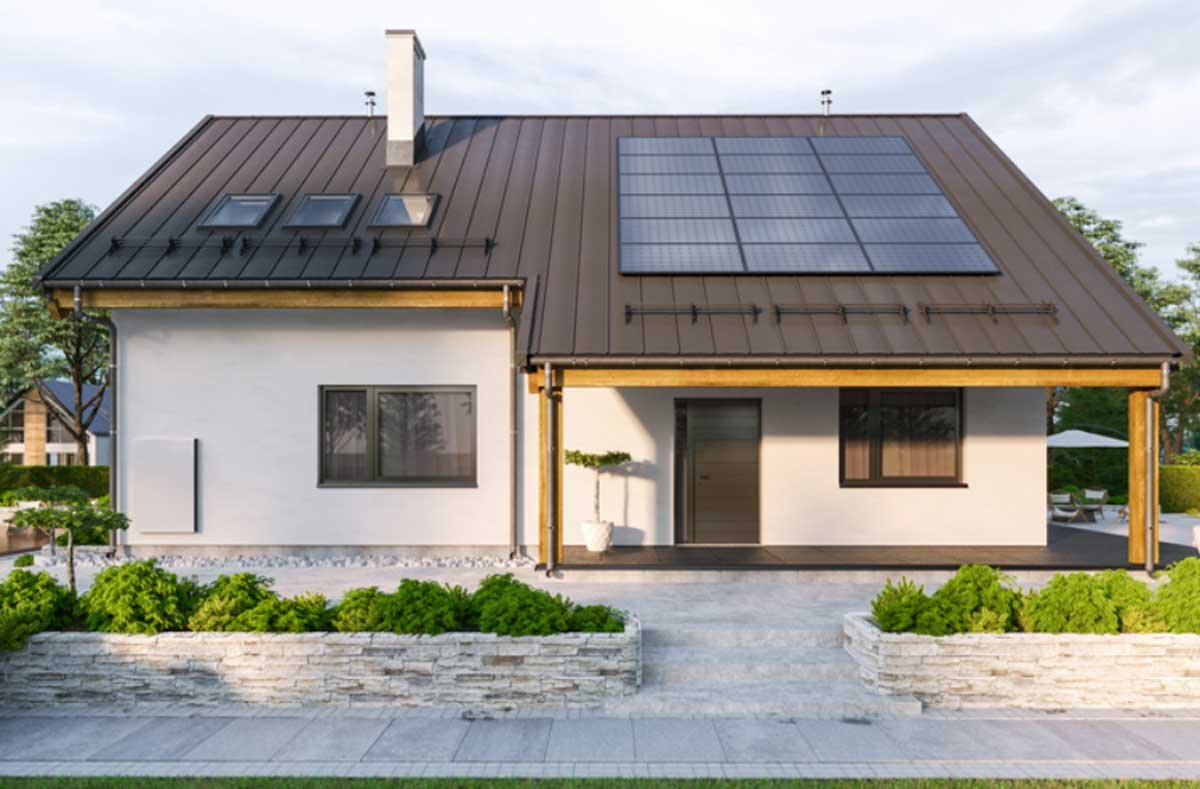
For example, incorporating space for solar panels or geothermal systems during the design phase is far easier and more cost-effective than adding them later. Similarly, designing for optimal ductwork and equipment placement improves system efficiency and reduces energy loss.
These early integrations ensure that all components of the building work together cohesively. Rather than relying on individual upgrades, the entire structure functions as an efficient system designed for long-term performance.
Conclusion
Early design decisions have a profound and lasting impact on a building’s energy efficiency. From site selection and orientation to material choices and passive design strategies, each step plays a role in shaping how a structure consumes and conserves energy. By prioritizing efficiency from the beginning, architects and designers can create buildings that are not only sustainable but also comfortable and cost-effective over time. As energy considerations continue to influence modern construction, thoughtful early planning remains the key to achieving meaningful and lasting results.