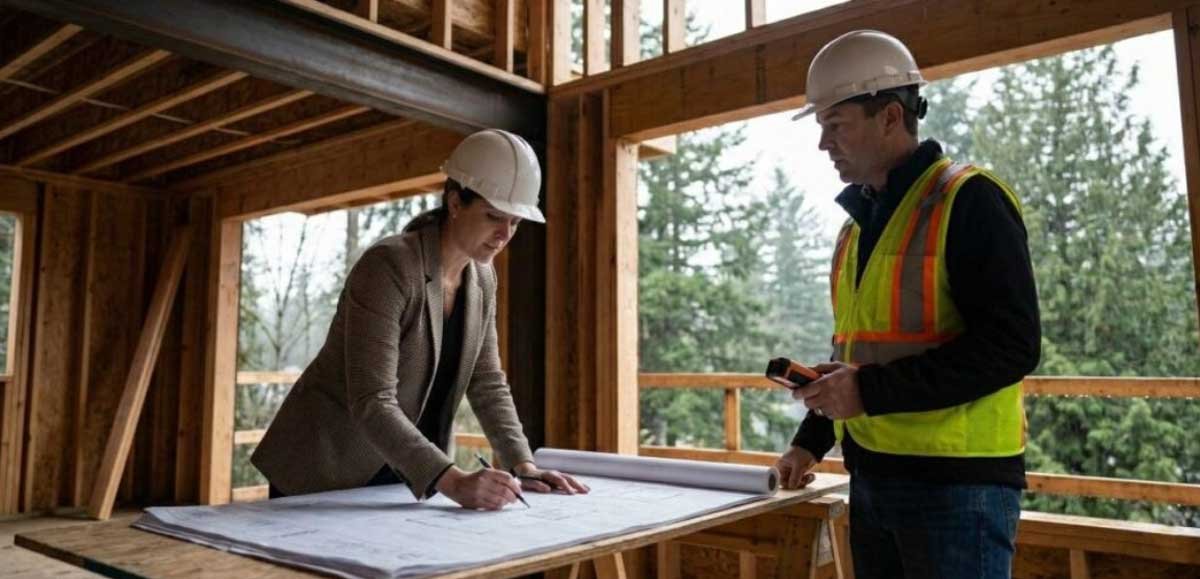
Australians currently spend approximately $54 billion annually on residential renovations, making up nearly 40 percent of the nation’s total residential construction spending. However, simply throwing money at an outdated property does not always guarantee a high return on investment. In the highly competitive 2026 housing market, affluent buyers are increasingly willing to pay a significant premium for turnkey, move-in ready homes. They actively want to bypass the stress of unexpected construction delays and avoid absorbing any personal renovation risks. As higher borrowing costs and a widespread shortage of skilled tradespeople heavily influence buyer behaviour, presenting a completed, flawlessly styled property has never been more critical for maximising returns.
The Financial Risks of Partial Renovations
Many homeowners mistakenly believe that updating a single room, such as replacing kitchen benchtops, will instantly boost their property’s appraisal. In reality, a fragmented approach can actually harm a home’s market value. When buyers tour a home and see a jarring mixture of updated and outdated spaces, they immediately calculate the immense cost and effort required to finish the job themselves. Ray White Chief Economist Nerida Conisbee warns that mixing old and new elements sometimes highlights what has not been renovated. For example, a modern kitchen situated alongside a severely dated bathroom can make the unrenovated spaces look drastically worse by comparison. This visual discrepancy potentially detracts from the home’s overall perceived value. To truly maximise financial returns, the transformation must be comprehensive and cohesive from the front door to the back fence.
Moving Beyond Surface-Level Aesthetics
Achieving a premium turnkey standard requires significantly more than a fresh coat of paint and a few pieces of rented furniture. To secure the highest possible sale price, investors and property developers increasingly rely on professional fit out construction to transform empty shells or heavily dated properties into highly desirable, market-ready homes. This meticulous process involves the expert installation of structural and aesthetic interior elements, ranging from bespoke custom cabinetry and premium hardwood flooring to advanced technological integrations. Modern property upgrades are no longer just about superficial visual appeal. Instead, they focus heavily on sustainable building practices, the integration of low-VOC materials, and automated smart home systems that modern buyers now inherently expect. When an interior is structurally and stylistically complete, it confidently signals to potential buyers that the home has been professionally managed from start to finish.
Why Turnkey Properties Dominate the Market
The growing preference for fully finished homes is largely driven by current economic constraints and industry factors. Master Builders Australia recently noted continually rising construction output costs, which starkly highlights the financial risks associated with poorly managed do-it-yourself projects. For instance, due to rising material costs and ongoing skilled labour shortages, an average mid-range bathroom renovation in Australia dramatically increased to between $20,000 and $26,000 in 2025. Buyers simply do not want to take on exhaustive fixer-upper projects when personal budgets can blow out so easily due to unforeseen structural issues.
The distinct advantages of presenting a fully completed and professionally styled property include:
- Faster sale times: Recent industry staging data indicates that professionally styled and fully finished homes in Australia sell within an average of 33 days, compared to approximately 90 days for completely un-styled properties.
- Higher sale prices: Fully fitted-out properties frequently achieve final auction sale prices that are 7.5 to 15 percent higher than comparable neighbourhood homes that still require extensive interior work.
- Broad market appeal: A finished home effectively removes the immense friction of the buying process, appealing directly to busy families and young professionals who lack the necessary time to source and manage their own tradespeople.
- Luxury buyer demand: Knight Frank’s 2026 Wealth Report identified a severe nationwide shortage of prime, move-in ready housing, meaning rapid, high-value transactions are currently defining the luxury turnkey property market.
Aligning with Current Home Improvement Demands
To stay highly competitive at property auctions, vendors must understand exactly what modern buyers are looking for before listing an asset. Staying updated on the latest home improvement trends can help ambitious renovators choose the right premium materials, such as durable hardwood floors or high-end brass plumbing fixtures, that elevate the overall interior design. The National Housing Supply and Affordability Council continuously emphasises that elevated construction costs make professional, highly efficient structural completions vital for protecting an asset’s long-term market value. By intentionally investing in a high-quality interior finish from the very outset, property owners can confidently present a home that immediately stands out in an otherwise crowded real estate market.
Securing a Strong Return on Investment
Ultimately, bridging the gap between a raw, unpolished property and a highly sought-after premium residence requires careful planning and flawless professional execution. The Housing Industry Association recently reported that national renovation activity has been growing almost twice as fast as the broader economy, highlighting just how competitive the housing market has inherently become. In an economic environment where buyers heavily discount properties requiring any structural or interior work, executing a cohesive interior transformation is the safest route to guaranteeing a strong return on investment. By delivering a flawless, move-in ready product, vendors can seamlessly attract highly motivated buyers and secure top-tier market prices.