Choosing the right truck trim can feel surprisingly complicated because today’s pickups are built for very different lives. One driver may need vinyl floors, strong payload numbers, and easy-clean surfaces for job sites. Another may want leather seating, upgraded infotainment, and enough towing muscle for a boat, camper, or weekend project trailer. The best trim is not always the most expensive one. It is the one that matches how the truck will actually be used.
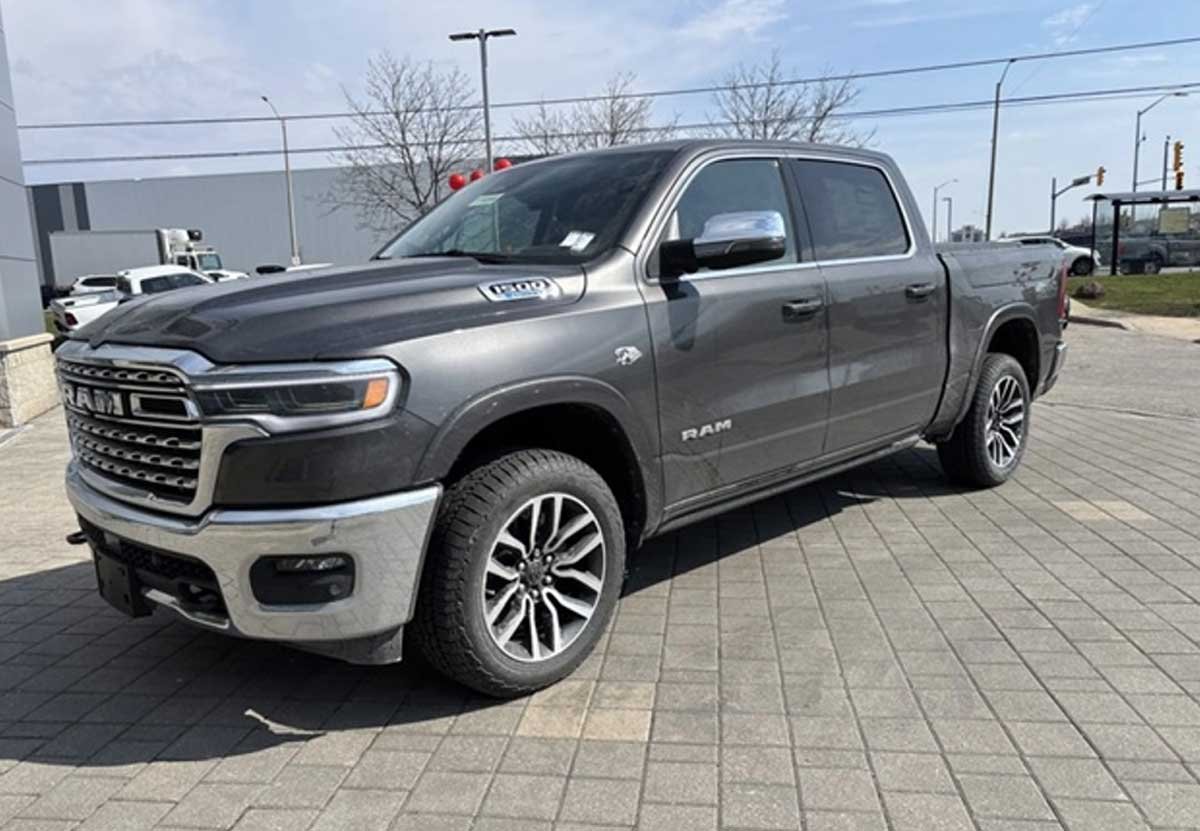
For shoppers comparing models at local dealerships, looking at a new Ram 1500 in Mississauga can be a helpful example of how wide the trim ladder has become across modern full-size pickups. Entry-level trims, mid-range trims, off-road packages, and luxury-oriented versions can all share the same basic truck platform while feeling completely different behind the wheel. That’s why trim selection matters as much as engine choice, towing capacity, or cab size.
What Makes a Good Work Truck Trim?
A good work truck trim puts durability ahead of flash. These trims usually have simpler interiors, tougher seat materials, smaller wheels with practical tire options, and fewer delicate surfaces that can get damaged by tools, boots, dust, or bad weather. For contractors, fleet operators, landscapers, delivery crews, and tradespeople, that simplicity is a strength.
Look for features that make the truck easier to live with during long workdays. Rubberized flooring, vinyl or heavy-duty cloth seats, tow hooks, trailer brake controllers, bed lighting, spray-in bedliners, and multiple tie-down points can matter more than a panoramic sunroof. A basic infotainment system with smartphone integration is often enough, especially if the truck is shared by multiple drivers.
Payload is another key detail. Higher trims often add comfort features that increase curb weight, which can slightly reduce payload capacity. If the truck regularly carries materials, equipment, or heavy cargo, the practical trim may outperform the fancier one.
What Makes a Good Weekend Hauler Trim?
Weekend haulers need a different balance. These trucks still have to tow and carry gear, but comfort plays a bigger role. If you’re using the truck for cottage trips, family travel, camping, boating, home improvement runs, or recreational towing, a mid-range or upper-mid trim often makes the most sense.
These trims usually add better seating, larger screens, upgraded audio, more driver-assistance features, extra USB ports, dual-zone climate control, and smoother cabin materials. Those upgrades matter when the truck is doubling as a family vehicle or long-distance cruiser.
For weekend use, towing technology can be especially valuable. Trailer cameras, blind-spot monitoring with trailer coverage, integrated brake controls, and selectable drive modes can make towing less stressful for drivers who do it occasionally rather than every day.
Features Worth Paying For
Some upgrades are more useful than others. Four-wheel drive is worth considering in areas with snow, gravel roads, rural properties, or job sites with poor access. A towing package is important if the truck will regularly pull trailers. Bed protection is a smart investment for anyone carrying tools, lumber, equipment, bikes, or outdoor gear.
Other upgrades depend on lifestyle. Leather may be nice, but high-quality cloth can be better for rough daily use. Large wheels may look great, but smaller wheels with more tire sidewall can ride better and handle rough surfaces more confidently.
The Right Trim Should Match Your Real Routine
Truck trims are marketing tools, but they are also practical decision points. The right one should reflect where the truck spends most of its time, what it carries, who rides in it, and how often it tows. A work truck should make hard days easier. A weekend hauler should make busy lives more flexible.
Before choosing a trim, picture the truck six months from now, not just on the showroom floor. The best trim is the one that still feels useful after the new-truck excitement wears off.