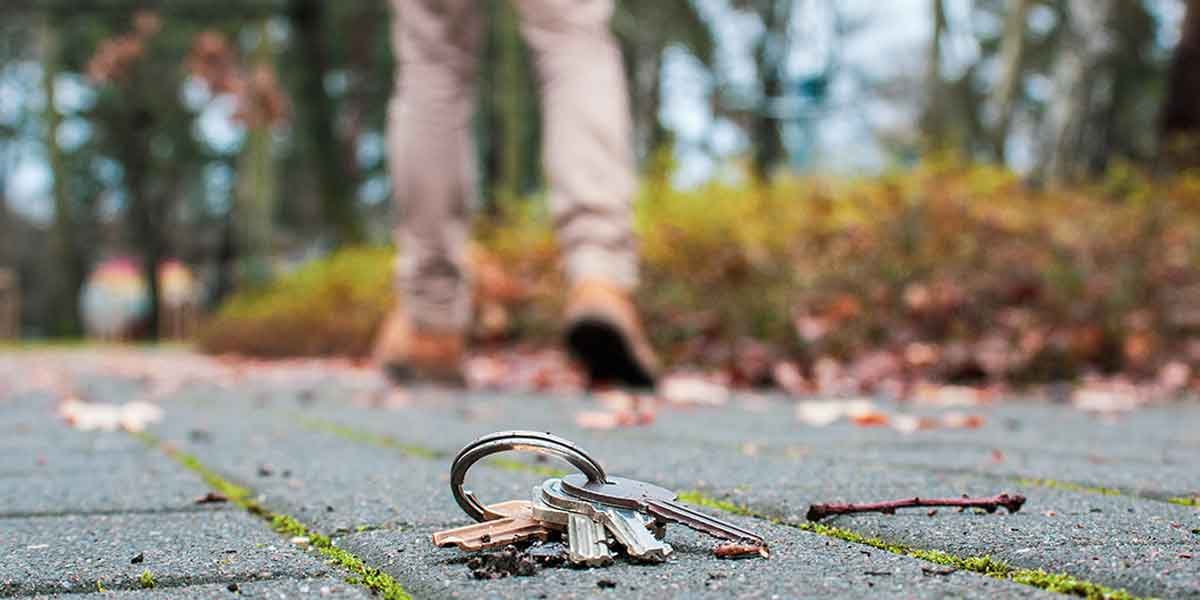
It happens fast. You reach into your pocket at the grocery store, pat your jacket, check the couch cushions, and then it sinks in. Your key fob is gone, and it was the only one you had. Before panic sets in, take a breath. A key fob replacement is absolutely doable, even when you have zero working keys in hand. The process just looks a little different than it does for someone who still has a spare sitting in a drawer at home.
This guide walks you through exactly what to do, in what order, and what it will probably cost you. The order matters more than most people realize, because a few early mistakes can add hundreds of dollars to the final bill.
Step 1: Confirm It’s Actually Gone
This sounds obvious, but stay with me. A surprising number of “lost” fobs turn up within the first hour of searching. Check the places people always overlook:
- Inside the car itself, especially under seats and floor mats
- The gap between your center console and driver’s seat
- Pockets of clothes you wore recently, including gym bags and coats
- The last bag or backpack you carried
- Your driveway, garage floor, and the path between your door and car
If your car has a push-button start, also check whether the fob might have slipped into the trunk or under the cargo area. Fobs are small, slippery, and shockingly good at wedging themselves into spots you would never think to check.
One more trick worth trying: many vehicles let you start the engine even with a dead or weak fob battery by holding the fob directly against the start button. If your car started this morning but the fob seems unresponsive now, you might be dealing with a battery problem rather than a lost fob. That is a $10 fix instead of a $300 one, so it deserves five minutes of your attention before you move on.
Step 2: Decide If You’re Stranded or Just Inconvenienced
Your next move depends heavily on where the car is right now.
If the car is safely parked at home or somewhere legal for a few days, you have time. You can compare prices, call around, and avoid rush decisions. This is the best-case scenario, even if it doesn’t feel like it.
If you’re stranded somewhere, say a parking lot two hours from home, or a dark garage at night, your priorities shift. Now you need to think about:
- Getting yourself somewhere safe
- Making sure the car isn’t in danger of being towed or ticketed
- Arranging a ride or a place to stay if needed
Roadside assistance plans often cover lockout and key-related emergencies, so this is the moment to call them if you have a membership. Some plans will even help coordinate getting a key made on the spot in certain situations. It’s worth the phone call to ask.
Step 3: Gather Your Paperwork Before You Call Anyone
Here is where a lot of people stumble, and it costs them time. No legitimate provider will cut and program a key for a car without proof that the car is actually yours. That policy protects you, even if it feels like an inconvenience when you’re already stressed.
Before you start calling around, round up:
- Your driver’s license
- The vehicle registration or title
- The VIN, which you can usually find through the windshield on the driver’s side dashboard
- Proof of insurance, in case it’s requested
If the registration is locked inside the car, don’t worry too much. Most providers can work with your license plus the VIN, and some can pull records electronically. But having documents ready makes everything move faster.
A quick word of caution: if someone offers to make you a key with no proof of ownership whatsoever, walk away. That’s not a shortcut, it’s a red flag.
Step 4: Understand Your Three Main Options
Once you’re organized, you have three realistic paths forward. Each has trade-offs.
The dealership. This is the default choice for most people, and it works. The dealer can order an original fob, cut the emergency key blade, and program it to your vehicle. The downsides are price and time. Dealership fobs and programming often run higher than the alternatives, and if the fob has to be ordered, you might wait several days to a week. If you drive a newer luxury vehicle, the dealer may also be the only option, since some manufacturers restrict programming access on recent models.
A mobile automotive locksmith. This is the option many stranded drivers end up loving, because the locksmith comes to you. A good automotive locksmith can cut and program most fobs on the spot, usually within an hour, and typically at a lower price than the dealership. Not every locksmith handles automotive work, so specifically look for one that advertises car keys and fob programming. Ask for a total price quote up front, including the key, cutting, and programming, so there are no surprises.
Online fob plus programming. You can buy an aftermarket fob online for considerably less than dealer pricing. Some vehicles, especially older models, even allow you to program a new fob yourself using a sequence of ignition cycles and button presses. The catch is that this route requires patience, shipping time, and a bit of research to confirm compatibility. It’s a poor fit for an emergency but a great option for ordering a cheap spare once the crisis is over.
Step 5: Know What You’re Likely to Pay
Prices vary by vehicle, region, and fob type, but here are honest ranges so you can spot a bad deal.
A basic fob for an older car might run $50 to $150 total. A transponder key with buttons, common on mid-2000s through early 2010s vehicles, often lands between $120 and $250. Smart keys and proximity fobs for push-start vehicles are the expensive ones, frequently $250 to $600 after programming. Luxury brands sit at the top of that range and sometimes above it.
Programming alone, if you already have the fob in hand, typically runs $30 to $150 depending on who does it and how complex the vehicle’s security system is.
If a quote comes in far above these ranges, get a second opinion before committing. If one comes in suspiciously far below, ask what’s included, because “key only” quotes sometimes leave out cutting or programming fees.
Step 6: Order a Spare the Same Week
This is the part everyone skips, and it’s the reason you’re reading this article in the first place. Once your new fob works, order a second one immediately, while the pain of this experience is still fresh in your memory.
A spare fob costs a fraction of what an emergency replacement costs, and it converts any future loss from a crisis into a minor errand. Store the spare somewhere deliberate, not in the car, since a fob inside the vehicle defeats the purpose entirely. A kitchen drawer, a safe, or a trusted family member’s house all work well.
A Few Final Tips From the Trenches
If you believe the fob was stolen rather than lost, mention that to whoever programs your new one. On some vehicles, a lost fob can be deactivated so it no longer opens or starts the car, which closes the door on trouble down the road.
Keep a photo of your registration and a note of your VIN in your phone. It takes thirty seconds today and saves real hassle later.
And if you drive an older car with a simple keyless entry remote, check whether your model supports DIY programming before paying anyone. Some of the older systems genuinely can be programmed in a driveway with nothing but the ignition and a few minutes.
Losing your only fob is a bad afternoon, not a catastrophe. Search thoroughly, gather your documents, compare your options, and get a spare in your hand before the week is out. Future you will be grateful.