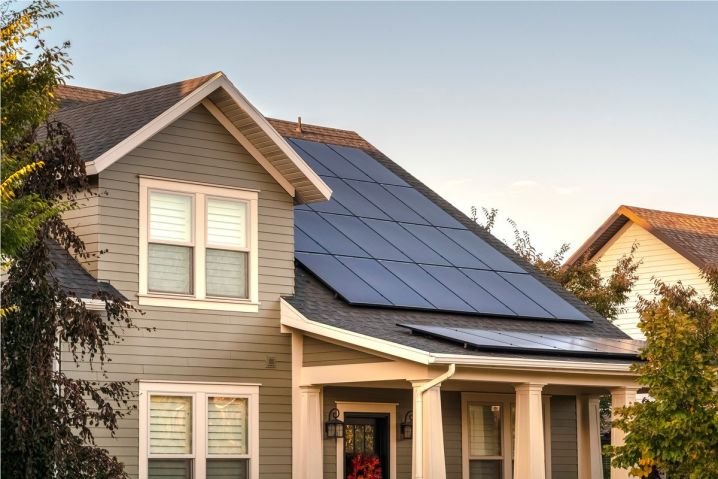
North Carolina ranks fourth in the nation for total installed solar capacity, behind only California, Texas, and Florida. Most of that is utility-scale solar farms. Residential solar has been slower to grow because the state’s electricity rates are lower than the national average and the state-level incentives that once made solar compelling have largely expired. But the federal tax credit, strong sun exposure, and Duke Energy’s net metering program still make solar worth it for many homeowners.
For a typical North Carolina home with a south-facing roof and average electricity usage, solar panels pay for themselves in 10 to 14 years and generate $12,000 to $20,000 in net savings over the 25-year warrantied life of the system. Here is the math.
What Solar Panels Cost in North Carolina
Solar in North Carolina costs approximately $2.70 to $3.10 per watt before incentives, which is at or slightly below the national average. A typical 7-kilowatt residential system costs $19,000 to $22,000. The competitive installer market in the Raleigh-Durham, Charlotte, and Greensboro metros keeps pricing in check.
The federal solar investment tax credit covers 30 percent of the total system cost. On a $20,000 system, the federal credit is $6,000. This reduces the net cost to approximately $14,000.
North Carolina previously offered a 35 percent state tax credit for solar, which was one of the most generous in the country. That credit expired at the end of 2015 and has not been renewed. There is currently no state-level solar tax credit in North Carolina. The property tax exemption does apply. The added value of a solar system is excluded from property tax assessment, which matters in counties with high tax rates.
Duke Energy and some municipal utilities offer limited rebate programs for residential solar. Duke Energy’s Solar Rebate Program has historically offered $400 to $800 per kilowatt for residential installations, subject to annual funding caps that fill quickly. Check whether the current year’s funding is available before counting on this rebate in your financial calculation. The rebate is not guaranteed and should be treated as a bonus rather than an assumption.
How Much Power North Carolina Solar Panels Generate
North Carolina receives 4.5 to 5.5 peak sun hours per day averaged across the year, depending on location. The coastal plain receives more sun than the mountains. Charlotte and Raleigh receive approximately 5.0 hours. Asheville receives approximately 4.5 hours. The Outer Banks receive up to 5.5 hours. This is above the national average and significantly better than the Northeast or Pacific Northwest.
A 7-kilowatt system in Raleigh generates approximately 10,000 to 11,500 kilowatt-hours per year. This is enough to offset the entire annual electricity usage of the average North Carolina home, which consumes approximately 12,000 to 13,000 kilowatt-hours per year depending on heating and cooling type. Homes with electric heat pumps will use more electricity and benefit more from solar. Homes with natural gas heat will use less electricity and see a smaller dollar savings from solar.
How Much You Save on Electricity
North Carolina residential electricity rates average approximately 12 to 13 cents per kilowatt-hour, slightly below the national average of 14 to 15 cents. Duke Energy Carolinas and Duke Energy Progress, which serve most of the state, both offer net metering. Excess generation is credited at the full retail rate and rolled over to future bills.
A 7-kilowatt system generating 11,000 kilowatt-hours per year at 12.5 cents per kilowatt-hour saves approximately $1,375 per year. Against a net system cost of $14,000 after the federal credit, the simple payback period is 10.2 years. After payback, the system generates pure savings for the remaining 14 to 15 years of the warrantied life.
This payback period is longer than in Maryland, where higher electricity rates and the SREC market accelerate the return, but shorter than in Oregon, where lower sun exposure extends the payback. North Carolina is a middle-tier solar state. Solar is a positive investment but not an exceptional one.
Duke Energy and Net Metering in North Carolina
Duke Energy is currently pursuing changes to North Carolina’s net metering policy. The existing full retail rate net metering may transition to a time-of-use rate structure or a lower export credit rate in the coming years. Systems installed before any policy change are typically grandfathered under the existing net metering rules for a period of time, often 10 to 15 years.
If you are considering solar in North Carolina, the timing of your installation matters. A system installed under the current full retail net metering policy locks in that rate for the grandfathering period. A system installed after a policy change to lower export rates will have a longer payback period. This is not a reason to rush into a bad solar deal with a high-pressure sales company. It is a reason to get quotes from reputable installers and make a decision within the current policy window rather than delaying indefinitely.
Duke Energy also offers a time-of-use rate option for solar customers. Under this rate, electricity is more expensive during peak hours, typically summer afternoons and evenings, and cheaper during off-peak hours. Solar panels generate the most power during peak hours when the sun is highest and air conditioning load is greatest. This alignment can make time-of-use rates more favorable for solar customers than the standard flat rate, depending on your consumption patterns. Ask your installer to model both rate options.
25-Year Financial Picture
Over the 25-year warrantied life of the panels, a North Carolina homeowner with a 7-kilowatt system can expect net savings of $12,000 to $20,000 after recovering the initial investment. This assumes electricity rates increase at 2 to 3 percent per year. The inverter replacement at year 12 to 15, costing $1,500 to $2,500, is factored into these numbers.
If Duke Energy reduces net metering compensation and your system is not grandfathered, the lifetime savings are at the lower end of the range. If you install while full retail net metering is available and lock in the grandfathering period, the savings are at the higher end. This policy variable is the single largest uncertainty in North Carolina solar economics.
When Solar Is Not Worth It in North Carolina
Heavy shade from tall pines. North Carolina’s landscape is dominated by loblolly pines that cast long shadows. A roof shaded by tall trees for most of the day produces too little power to justify the investment. Tree removal can cost thousands of dollars and may not be permitted by local ordinances or HOA rules.
Low electricity usage. If your monthly electric bill is under $90, the dollar savings from solar are too small to recover the upfront cost within a reasonable timeframe.
Moving within eight years. With a payback period of 10 to 12 years, you need to stay in the home long enough to reach the break-even point. If you sell before then, you recover some value through increased home sale price but typically not the full installation cost.
Roof in poor condition. North Carolina’s hurricane and severe thunderstorm risk means roofs take more abuse than in milder climates. If your roof has less than 10 years of remaining life, replace it before installing solar. Removing panels for a roof replacement costs $3,000 to $6,000.
Frequently Asked Questions
Will solar panels survive a hurricane?
Yes, when properly installed. Solar panels are rated to withstand wind speeds of 140 miles per hour or higher, which covers Category 4 hurricanes. The mounting hardware, not the panels themselves, is the weak point. A system installed to North Carolina building code with properly spaced roof attachments and flashed penetrations will survive the wind loads specified for your county’s wind zone. Coastal counties have stricter mounting requirements than inland counties. Ask your installer about the wind rating of the specific racking system they propose and confirm it meets the requirements for your location.
Does Duke Energy buy back excess solar power?
Under current net metering, Duke Energy credits excess generation at the full retail rate. These credits roll over month to month. At the end of the annual billing cycle, any remaining credits are paid out at the avoided cost rate, which is lower than the retail rate. This means you should size your system to approximately match your annual usage. Oversizing beyond your usage produces credits that are compensated at a lower rate, which reduces the return on the oversized portion of the system.