Last winter, your furnace stopped working on the coldest night of the year. The repair technician found a cracked heat exchanger that could have been prevented with a simple annual inspection. The repair cost $1,200, and you were without heat for three days. Your neighbor gets his HVAC system serviced every spring and fall and has not had a breakdown in 15 years. You are starting to think that skipping maintenance was a costly mistake.
HVAC heating, ventilation, and air conditioning equipment requires regular maintenance to operate safely, efficiently, and reliably. Professional maintenance visits cost $100 to $200 each, but the savings from reduced energy bills, fewer repairs, and longer equipment life far exceed the cost.
HVAC maintenance is important for reliability, efficiency, safety, and equipment life. Here is what regular service provides and what happens when maintenance is skipped.
HVAC Maintenance Prevents Costly Breakdowns
The most important reason for HVAC maintenance is preventing unexpected breakdowns. Studies from the HVAC industry show that 80 percent of system failures are caused by lack of proper maintenance. Regular inspections catch small problems before they become expensive repairs.
A dirty air filter is the most common cause of HVAC failures. When the filter is clogged, the system works harder to move air, which strains the blower motor and compressor. A clogged filter can cause the evaporator coil to freeze in summer and the heat exchanger to overheat in winter. Replacing a $5 filter every one to three months prevents the majority of HVAC breakdowns.
Dirty condenser and evaporator coils are the second most common cause of failures. Coils accumulate dirt and debris over time, which reduces heat transfer and forces the system to run longer. A dirty condenser coil can increase compressor amperage by 20 to 30 percent, leading to premature compressor failure. Compressor replacement costs $1,500 to $3,000.
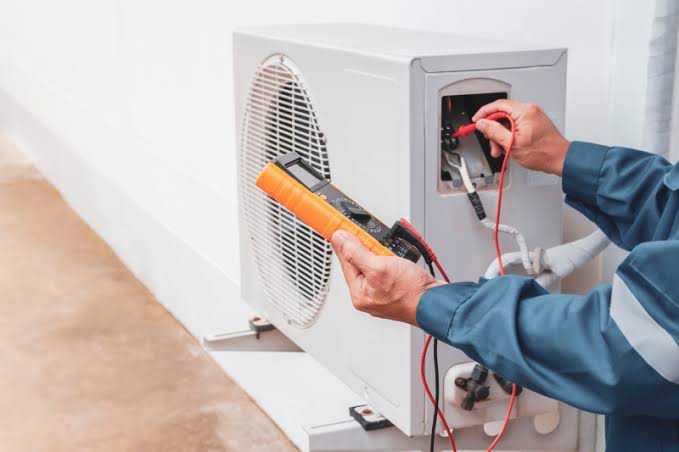
Professional HVAC technicians inspect electrical connections, test capacitor values, check refrigerant levels, and clean critical components during each maintenance visit. These inspections catch worn parts before they fail, preventing the breakdown that leaves you without heat or air conditioning at the worst possible time.
Regular Maintenance Extends System Lifespan
An HVAC system that receives regular maintenance lasts 15 to 20 years on average. A system that is neglected fails at 10 to 12 years — a difference of 40 to 60 percent in usable life. The annual maintenance cost of $100 to $200 per visit pays for itself many times over by delaying the need for a replacement system.
The components that wear out fastest in an HVAC system are the compressor, blower motor, and fan motors. These components rely on proper lubrication, clean surfaces, and correct electrical values to operate. Without maintenance, friction increases, heat builds up, and the components wear out prematurely.
A well-maintained system also maintains its efficiency over time. A neglected system loses 5 to 10 percent of its efficiency each year as components wear and coils accumulate dirt. After five years without maintenance, a 14 SEER system operates at the equivalent of 9 to 11 SEER, which means significantly higher energy bills.
The heat exchanger in a gas furnace is a critical component that can crack if the system is not properly maintained. A cracked heat exchanger can release carbon monoxide into the home. Replacing a heat exchanger costs $800 to $1,500. A new furnace costs $2,500 to $5,000. Annual maintenance prevents heat exchanger cracking by ensuring proper airflow and combustion.
An HVAC technician with 25 years of experience explained: “The most common thing I see is a system that has not been serviced in five years. The coils are dirty, the capacitor is weak, and the system is running 30 percent harder than it should.”
Maintenance Improves Energy Efficiency
HVAC maintenance directly reduces energy consumption. A well-maintained system uses 10 to 20 percent less energy than a neglected system of the same age and type. The energy savings from one year of maintenance often cover the cost of the service visit.
Cleaning the condenser coil on an air conditioner or heat pump can reduce energy consumption by 5 to 15 percent. A dirty coil restricts airflow across the coil surface, reducing the system ability to transfer heat. The compressor must run longer to achieve the same temperature, using more electricity.
Checking and adjusting refrigerant charge is another energy-saving maintenance task. An undercharged system operates inefficiently and may freeze the evaporator coil. An overcharged system puts extra strain on the compressor and reduces efficiency. The correct refrigerant charge ensures the system operates at its rated SEER efficiency.
Lubricating moving parts reduces friction in the blower motor and fan motors. A motor that is properly lubricated draws less electrical current and runs cooler than a motor that is dry or running on worn bearings. This reduces both energy consumption and the risk of motor failure.
| Maintenance task | Energy savings | Cost if skipped
|
| Replace dirty filter | 5u201315% | Frozen coil, compressor failure |
| Clean condenser coil | 5u201315% | Compressor failure, high electric bills |
| Check refrigerant charge | 5u201310% | Poor cooling, compressor damage |
| Lubricate motors | 2u20135% | Motor failure, fan failure |
| Tighten electrical connections | 1u20133% | System failure, fire risk |
Better Indoor Air Quality
Your HVAC system plays a major role in indoor air quality. The system circulates air through filters that trap dust, pollen, pet dander, and other airborne particles. Without proper maintenance, the filters become clogged and the system circulates dirty air through the home.
A dirty filter not only reduces system efficiency but also allows contaminants to bypass the filter and circulate through the ductwork. These contaminants include mold spores, bacteria, and fine dust particles that can trigger allergies, asthma, and respiratory problems. Regular filter changes and duct cleaning improve indoor air quality significantly.
Moisture management is another important function of a well-maintained HVAC system. The system removes humidity from the air during cooling operation. A poorly maintained system may not remove enough moisture, leaving the home feeling damp and uncomfortable. Excess humidity promotes mold growth in the ductwork and throughout the home.
Professional maintenance includes inspecting and cleaning the evaporator coil and drain pan. A dirty evaporator coil can harbor mold and bacteria that are blown into the home when the system runs. The condensate drain line must be clear to prevent water damage and mold growth in the drain pan.
Safety — Carbon Monoxide and Fire Prevention
Safety is the most critical reason why HVAC maintenance is important. A gas furnace that is not properly maintained can develop cracks in the heat exchanger, allowing carbon monoxide to enter the home. Carbon monoxide is odorless, colorless, and deadly. According to the CDC, over 400 people die each year in the United States from accidental carbon monoxide poisoning.
Annual furnace maintenance includes a carbon monoxide test to verify that the heat exchanger is intact and the combustion process is complete. The technician measures the carbon monoxide level in the exhaust flue and in the supply air. Any detectable carbon monoxide in the supply air indicates a cracked heat exchanger that must be replaced immediately.
Electrical safety is another maintenance concern. Loose electrical connections and worn capacitors can cause electrical arcing, which can start a fire. HVAC-related electrical fires account for 5 to 10 percent of residential structure fires in the United States. Annual maintenance includes tightening all electrical connections and testing capacitors for proper values.
Gas line connections are inspected for leaks during maintenance. A gas leak in the furnace area can cause an explosion or fire. The technician applies a leak detection solution to all gas line connections and inspects for any signs of gas escaping.
What Professional HVAC Maintenance Includes
A professional HVAC maintenance visit typically includes a thorough inspection, cleaning, and adjustment of the system. The technician follows a checklist that covers all critical components.
The inspection includes checking the thermostat calibration and operation, inspecting the blower motor and fan for proper operation and airflow, cleaning the evaporator coil and inspecting the condensate drain, inspecting and cleaning the condenser coil on outdoor units, checking refrigerant pressure and adjusting the charge if needed, inspecting the heat exchanger for cracks on gas furnaces, testing carbon monoxide levels in the exhaust and supply air, tightening all electrical connections, testing the capacitor and contactor, lubricating motors and bearings, and replacing the air filter.
The entire maintenance visit takes 45 to 90 minutes depending on the system type and the condition of the equipment. The cost is $100 to $200 for a basic tune-up. Many HVAC companies offer annual maintenance plans that include two visits per year — one for the heating system in the fall and one for the cooling system in the spring — for $150 to $300 per year.
Frequently Asked Questions
How often should HVAC maintenance be performed?
HVAC maintenance should be done twice per year. Spring for the air conditioner and fall for the furnace. This ensures both systems are ready for peak season.
How much does HVAC maintenance cost?
A professional visit costs $100 to $200. Annual plans covering both seasons cost $150 to $300 per year and are the most cost-effective option.
Can I do HVAC maintenance myself?
You can replace filters yourself. Professional maintenance is needed for refrigerant checks, electrical testing, and carbon monoxide testing of the system.
What happens if I skip HVAC maintenance?
Skipping maintenance leads to 80 percent of system failures. Energy costs increase by 10 to 20 percent. System lifespan decreases by 40 to 60 percent. Minor problems become major repairs. Carbon monoxide and fire risks increase.
How much can HVAC maintenance save on energy bills?
Regular maintenance cuts energy use by 10 to 20 percent. For a home spending $1,500 on heating and cooling, that saves $150 to $300 per year — covering the maintenance cost.
Is an HVAC maintenance plan worth the cost?
Yes, plans cost $150 to $300 yearly. They include priority service and two tune-ups. Energy savings often cover the annual cost.
How long does HVAC maintenance make my system last?
Regular maintenance extends system life from 10 to 15 years. That is a major increase. The annual cost is small compared to replacing the system early.
Does HVAC maintenance void my warranty?
No, skipping maintenance can void your warranty. Most manufacturers require proof of annual professional maintenance to honor the warranty. Without documented maintenance, warranty claims for compressor or heat exchanger failures may be denied.