You are tired of spending every Saturday mowing, watering, and weeding the lawn. The water bill keeps going up, and the patchy spots never seem to fill in. Artificial grass sounds like the perfect solution — green all year, no mowing, no watering. But the price quotes you have gotten range from $5 to $20 per square foot installed, and you have no idea why the range is so wide or what you are actually getting for the money.
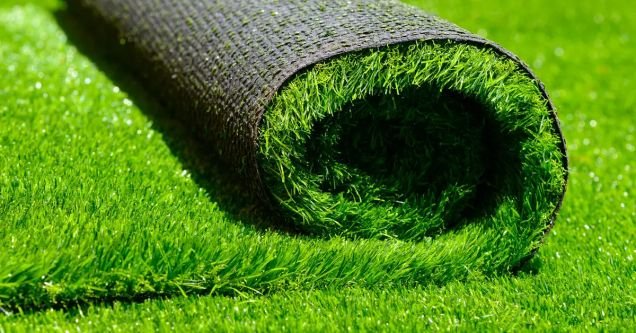
Artificial turf is a surface of synthetic fibers made to look like natural grass (Wikipedia). The artificial grass cost for a residential lawn ranges from $5 to $20 per square foot fully installed, with most homeowners paying $8 to $12 per square foot for a quality installation that lasts 15 to 20 years. The price depends on the material quality, the installation complexity, and the site preparation required.
Artificial grass cost per square foot varies by quality and installation. Here is what different price tiers include and how long-term savings compare to maintaining a natural lawn.
Average Artificial Grass Cost Per Square Foot
The average artificial grass cost per square foot falls into three tiers based on the quality of the turf and the complexity of the installation. Understanding what each tier includes helps you choose the right option for your budget and needs.
| Quality tier | Cost per sq ft installed | Useful life | Best for
|
| Budget | $5u2013$8 | 5u201310 years | Rental properties, temporary use |
| Mid-grade | $8u2013$12 | 10u201315 years | Most residential lawns, pet areas |
| Premium | $12u2013$20 | 15u201325 years | Front yards, high-traffic areas, putting greens |
Budget-tier artificial grass is thinner, has a lower pile height, and uses less durable materials. It is suitable for areas with light foot traffic but will flatten and fade within a few years. The infill and backing materials are lower quality, which means the turf does not drain as well and may develop odors in pet areas.
Mid-grade artificial grass is the most common choice for residential lawns. It has a pile height of 1.25 to 1.5 inches, a durable polypropylene or nylon blend, and a high-quality urethane backing that resists UV fading and pet stains. Mid-grade turf includes proper drainage and infill that keeps the blades standing upright.
Premium artificial grass is the closest to real grass in appearance and feel. It uses a multi-tone blend of green and brown fibers to mimic natural grass coloration, a higher pile height of 1.5 to 2 inches, and a dense thatch layer for a lush appearance. Premium turf is used in front yards where appearance matters most and in high-traffic areas like putting greens and play areas.
Material Quality and Pile Height — How They Affect Price
The artificial grass material itself accounts for 40 to 60 percent of the total installed cost. The two main factors that determine the material cost are the pile height and the fiber quality.
Pile height is the length of the grass blades from the backing to the tip. Standard residential turf has a pile height of 1 to 1.5 inches. Taller pile heights of 1.5 to 2 inches look more realistic but cost more because they use more material. A turf with 2-inch pile height costs 20 to 40 percent more than the same quality turf with 1-inch pile height.
Fiber quality runs from polyethylene to polypropylene to nylon. Polyethylene is the most common and offers the best balance of appearance and durability. Polypropylene is cheaper but less durable and more prone to matting. Nylon is the most durable and expensive — it is used in high-traffic commercial applications and putting greens but is stiffer and less realistic in appearance than polyethylene.
Backing quality matters for longevity. Turf with a double-layer urethane backing costs more than single-layer latex backing but lasts significantly longer. Urethane backing resists moisture, prevents delamination, and holds the fibers in place even in high-traffic areas. The backing quality is not visible after installation but is the primary factor in how long the turf lasts before it needs replacement.
Installation Labor and Base Preparation Costs
Installation labor accounts for 40 to 60 percent of the total artificial grass cost. Professional installation is recommended for any area over 100 square feet because the subgrade preparation and drainage are critical for the lifespan of the turf.
The installation process starts with removing existing grass and topsoil to a depth of 3 to 4 inches. This allows room for the base materials. The existing sod removal costs $0.50 to $1 per square foot if the contractor handles the disposal. The excavated area is then filled with a crushed stone or decomposed granite base that is compacted to create a stable, level surface. Base material costs $0.50 to $1 per square foot.
A weed barrier fabric is laid over the compacted base to prevent weeds from growing through the artificial grass. The artificial turf is then rolled out, cut to fit the area, and secured with perimeter nails or staples. Seams between turf rolls are glued with seam tape and adhesive. The seams are the most likely point of failure in an installation — proper seaming requires experience and the correct adhesive.
Infill is broadcast over the turf and brushed into the fibers. Infill material — typically silica sand or rubber granules — weighs down the turf, protects the backing from UV exposure, and helps the blades stand upright. Infill costs $0.25 to $0.50 per square foot and is included in most professional installation quotes.
An artificial grass installer with 15 years of experience explained: “The most common installation failure I see is from people who tried to save money by skipping the base preparation. They laid turf directly over dirt or old grass. The base prep is where the quality of the installation is determined.”
Artificial Grass vs Real Sod — Cost Comparison
The upfront cost of artificial grass is higher than natural sod, but the long-term cost picture is different when maintenance costs are included. A 500-square-foot front lawn illustrates the comparison.
Artificial grass installed costs $4,000 to $6,000 for a 500-square-foot area at $8 to $12 per square foot. This includes the turf, base preparation, installation labor, and infill. After installation, there are no ongoing costs beyond occasional rinsing and brushing. The turf lasts 15 to 20 years, so the annualized cost is $200 to $400 per year.
Natural sod for the same 500-square-foot area costs $500 to $800 for the sod itself. Installation adds $200 to $500 if done professionally. Annual maintenance costs include water at $300 to $600, fertilizer at $100 to $200, mowing equipment and fuel at $100 to $200, and weed control at $50 to $150. The total annual cost for a natural grass lawn is $550 to $1,150 per year, every year.
Over 15 years, the natural grass lawn costs $8,250 to $17,250 in ongoing maintenance, plus the initial $700 to $1,300 for sod and installation. The artificial grass lawn costs $4,000 to $6,000 upfront with minimal ongoing costs. Artificial grass breaks even with natural grass in 4 to 8 years, depending on local water rates and maintenance costs.
Factors That Affect the Total Installation Cost
Several factors affect artificial grass cost beyond the turf quality and square footage. These factors can add 20 to 50 percent to the base installation price.
Site accessibility matters. A backyard with a narrow gate that equipment cannot pass through requires all materials to be carried in by hand. This adds $200 to $500 to the labor cost. A front yard with street access is the easiest and cheapest to access.
Slope and drainage requirements add cost. A flat yard is the simplest to prepare. A sloped yard requires grading to create a level surface, which adds $1 to $3 per square foot. If the yard has poor drainage, a French drain or additional base material is needed to prevent water from pooling under the turf.
Removal of existing landscaping adds cost. Removing old concrete, trees, or shrubs before the artificial grass is installed adds $100 to $1,000 depending on what is removed. The contractor should include a site assessment in the quote that accounts for any removal work needed.
Shape complexity matters. A simple rectangular lawn is the cheapest to install because the turf rolls can be laid with minimal cutting and seaming. A lawn with curves, corners, and irregular shapes requires more cutting and more seams, which adds 10 to 20 percent to the installation labor cost.
Long-Term Savings with Artificial Grass
The long-term savings of artificial grass come from eliminating the ongoing costs of maintaining a natural lawn. The savings are most significant in regions with high water costs and in homes where water conservation is a priority.
Water savings are the biggest financial benefit. A natural grass lawn requires 1 to 1.5 inches of water per week during the growing season, which amounts to 30,000 to 50,000 gallons per year for a 1,000-square-foot lawn. At typical water rates of $0.005 to $0.015 per gallon, the annual water cost is $150 to $750. Artificial grass requires no watering, saving this amount every year.
Eliminating mowing costs saves $100 to $300 per year in equipment, fuel, and maintenance. Eliminating fertilizer, weed control, and pest control saves $150 to $350 per year. Eliminating lawn care service saves $500 to $1,500 per year if a professional service was used for mowing, fertilization, and weed control.
Property value impact varies. A well-installed artificial grass lawn in a drought-prone region can increase property value by improving curb appeal without the water cost. In regions where natural grass is the norm, some buyers prefer real grass and may discount the value of artificial turf. The impact on property value should be considered but is secondary to the savings on water and maintenance.
Frequently Asked Questions
How much does artificial grass cost per square foot installed?
Artificial grass costs $5 to $20 per square foot installed. The average for a quality residential installation is $8 to $12 per square foot including base prep and infill.
Is artificial grass cheaper than real grass in the long run?
Yes, artificial grass saves money over time. It breaks even with natural grass in 4 to 8 years and can save $500 to $1,500 per year in water and maintenance costs after that.
How long does artificial grass last?
Quality artificial grass lasts 15 to 20 years. Budget turf lasts 5 to 10 years. Premium turf lasts 15 to 25 years.
Can artificial grass be used for pets?
Yes, many artificial grass products are designed for pets. Look for turf with antimicrobial backing, good drainage, and pet-friendly infill. Pet areas should be rinsed weekly to control odors.
How long does artificial grass installation take?
A crew installs 500 to 1,000 square feet per day. A typical lawn takes one to three days depending on size and prep needed.
Does artificial grass drain well?
Quality turf has drainage holes for water to pass through. A good base provides proper drainage. Artificial grass drains as well as natural grass.
Does artificial grass get hot in summer?
Artificial grass gets hotter than natural grass in summer. Heat-reducing products are available but cost more.
Can I install artificial grass myself?
DIY installation works for areas under 200 square feet. Larger areas need proper base prep and seaming that most homeowners cannot do as well as a pro.