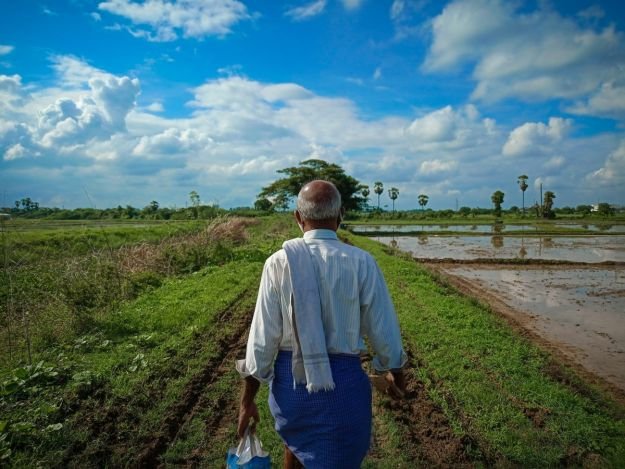
New farm owners entering agriculture today face a landscape dramatically different from what earlier generations experienced. Climate variability has increased, markets shift more rapidly, and operational challenges arise more frequently throughout the year. These pressures can be especially overwhelming for beginners who are still learning the rhythms of planting, harvesting, and managing the financial side of farming. The early years often involve balancing optimism with the realities of unpredictable conditions, making preparation essential. Protecting a harvest now requires not only knowledge of crops and soil but also a deeper understanding of risk, resource management, and long‑term planning. As new farmers work to establish their operations, they quickly discover that building resilience is just as important as producing strong yields.
Strengthening Farm Planning With Reliable Production Strategies
A well‑structured farm plan is one of the most effective tools for addressing uncertainty. New farmers benefit from beginning with a thorough assessment of their land, including soil type, drainage, slope, microclimates, and water access. Understanding these characteristics allows them to choose the right crop varieties for their conditions. Drought‑tolerant seeds, disease‑resistant hybrids, and climate‑adapted cultivars can all help reduce risk when weather shifts unexpectedly. Many beginners adopt staggered planting schedules to spread the growing season across multiple timeframes, which reduces the impact of a single storm or unexpected cold spell.
Crop diversification is an additional strategy that strengthens resilience. By planting a mix of crop types that mature at different times and tolerate various conditions, farmers avoid depending on one harvest for their entire income. New farmers may also integrate small livestock or specialty products to complement their crop production. Each of these decisions contributes to a stronger foundation and protects the farm from seasonal variability. Thoughtful planning encourages flexibility, enabling beginners to pivot quickly when conditions change.
Using Technology to Improve Real Time Decision Making
Technology has become a powerful ally for beginner farm owners. Tools that were once available only to large operations are now accessible to smaller and newer farms. Mobile weather apps, digital forecasting platforms, and climate tracking tools help farmers anticipate changes that could affect planting or irrigation schedules. Soil moisture sensors, handheld nutrient testers, and small field cameras provide real time insight that supports timely decision making during the growing season.
Remote sensing tools such as drone imagery or satellite mapping allow farmers to monitor crop health from above. These technologies can identify early signs of plant stress, pest activity, or uneven watering before the issues become visible from the ground. Identifying problems early makes treatment more effective and prevents unnecessary loss. Digital farm management systems also assist beginner farmers by organizing field data, tracking expenses, and analyzing yield patterns across seasons. These insights support smarter decisions and create a more stable operational environment, especially during the unpredictable early years of establishing a farm.
Preparing Financial Protections That Support Long Term Stability
Financial strength is a core component of protecting a harvest. Beginner farmers often discover that even a well managed farm can face sudden disruptions that impact revenue. Unexpected storms, pest outbreaks, market closures, or equipment failures can create financial pressure quickly. Establishing clear budgets, tracking expenses regularly, and planning for cash flow gaps all help protect the operation during difficult periods.
Many new farm owners also explore risk management tools offered by crop insurance companies, which provide financial compensation when natural disasters or weather events significantly reduce yields. While insurance cannot prevent losses, it can soften the financial impact and help the farm recover more quickly. This support can be especially important for beginners who are still working to build savings and financial resilience. Emergency funds, low interest agricultural loans, and local assistance programs also contribute to stability during challenging seasons. By preparing financially, beginner farm owners gain confidence that they can withstand setbacks and continue building their operations year after year.
Building Relationships and Learning From the Farming Community
Strong community connections are one of the greatest advantages available to new farmers. Local grower groups, cooperative extensions, and agricultural mentors offer practical guidance that cannot always be found in books or online resources. Experienced farmers share insight about local conditions, pest pressures, reliable suppliers, and seasonal patterns that help beginners make informed decisions. Many communities host workshops or field days that introduce new farmers to best practices for soil health, irrigation, farm safety, and crop planning.
Networking also provides emotional support. Farming can be demanding, and uncertainty is easier to navigate when surrounded by people who understand the challenges firsthand. Collaboration creates opportunities for equipment sharing, cooperative marketing, and joint problem solving, reducing the individual burden on new farmers. These relationships encourage growth, build confidence, and offer a sense of belonging within the broader agricultural community.
Conclusion
Beginner farm owners who take proactive steps to protect their harvests are better positioned to thrive in an increasingly unpredictable agricultural landscape. Through thoughtful planning, smart use of technology, financial safeguards, and strong community networks, new farmers build resilience that supports both their productivity and their long term goals. When they invest in preparation as steadily as they invest in their crops, they create farms capable of sustaining growth even during periods of uncertainty.