Friday, January 16, 2026
Mitmunk
  • Home Improvement
  • Finance
  • Lifestyle
  • Business
  • Seo Digital
  • Auto
  • Law
  • Health
  • Other
    • Travel
    • Outdoor
    • Fashion
    • Entertainment
    • Construction
    • Education
    • Tech
    • Pet
    • Real Estate
No Result
View All Result
  • Home Improvement
  • Finance
  • Lifestyle
  • Business
  • Seo Digital
  • Auto
  • Law
  • Health
  • Other
    • Travel
    • Outdoor
    • Fashion
    • Entertainment
    • Construction
    • Education
    • Tech
    • Pet
    • Real Estate
No Result
View All Result
MitMunk
No Result
View All Result
Home Lifestyle
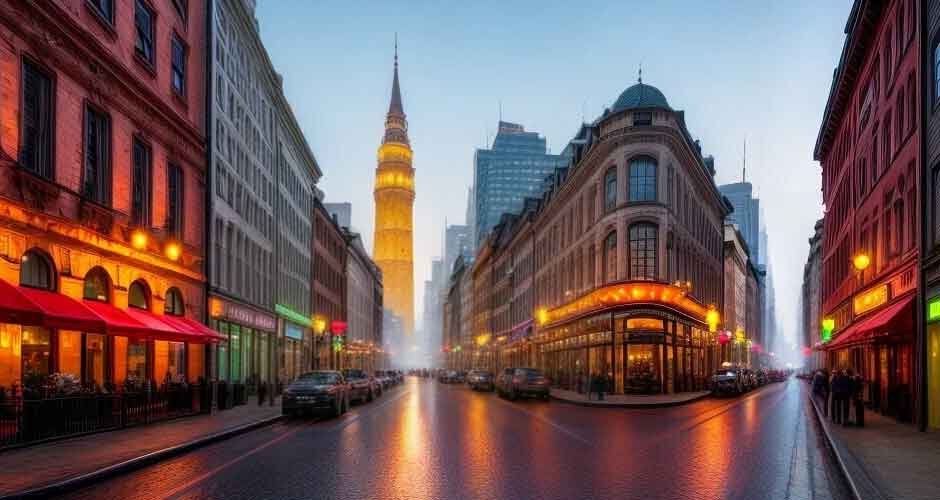
Flood-Risk-Solutions-for-Historic-Cities

Flood Risk Solutions for Historic Cities: Balancing Preservation and Resilience

Share on FacebookShare on Twitter

Table of Contents

Toggle
  • The Delicate Balance
  • Preserving the Irreplaceable
  • Innovative Solutions
  • Nature-Based Solutions
  • Technological Advancements
  • Collaborative Efforts
  • The Economic Imperative
  • A Call to Action
  • Conclusion

The Delicate Balance

Historic cities are often renowned for their rich cultural heritage, architectural marvels, and timeless charm. However, many of these cities face an increasingly pressing challenge: the threat of flooding due to climate change and rising sea levels. Preserving the integrity of these historic gems while ensuring their resilience against the forces of nature is a delicate balancing act that requires innovative solutions and a holistic approach.

Preserving the Irreplaceable

One of the primary concerns in historic cities is the potential damage to irreplaceable structures and artifacts. Flooding can wreak havoc on ancient buildings, eroding foundations, damaging intricate stonework, and compromising the structural integrity of these architectural masterpieces. Moreover, the loss of priceless artworks, manuscripts, and cultural treasures housed within these structures could be an incalculable blow to our shared heritage. Striking the right balance between preservation and resilience is paramount, as ill-conceived flood mitigation measures could inadvertently alter the very essence of these historic sites.

Innovative Solutions

Fortunately, advancements in engineering and urban planning have yielded innovative solutions that can be tailored to the unique challenges of historic cities. One approach gaining traction is the concept of “living with water,” which involves integrating water management systems into the urban fabric in a harmonious and aesthetically pleasing manner. This could involve the creation of green spaces and wetlands that serve as natural flood buffers, or the incorporation of canals and waterways that facilitate the controlled flow of excess water during periods of heavy rainfall or tidal surges.

Another promising solution lies in the realm of adaptive reuse and retrofitting. Rather than demolishing historic structures to make way for modern flood defenses, architects and engineers are exploring ways to seamlessly integrate protective measures into existing buildings. This could involve raising the ground level, reinforcing foundations, or incorporating retractable flood barriers that blend seamlessly with the architectural style of the area. By embracing a holistic approach that considers both functional and aesthetic concerns, these solutions can preserve the cultural identity of historic cities while ensuring their resilience against the ever-increasing threat of flooding.

Nature-Based Solutions

Additionally, the adoption of sustainable urban drainage systems (SUDS) can play a pivotal role in mitigating flood risks in historic cities. These nature-based solutions, such as permeable pavements, green roofs, and rain gardens, help to manage stormwater runoff by mimicking natural processes. By slowing down and absorbing excess water, SUDS can alleviate the strain on aging infrastructure, which is often a significant concern in historic areas with outdated drainage systems.

Technological Advancements

Technological advancements also offer promising avenues for flood risk management in historic cities. The integration of real-time monitoring systems, early warning systems, and advanced modeling techniques can provide valuable insights and predictive capabilities. By anticipating potential flood events and implementing timely mitigation measures, authorities can minimize the impact on historic sites and ensure the safety of residents and visitors alike.

Collaborative Efforts

Collaboration and stakeholder engagement are crucial components of any successful flood resilience strategy for historic cities. Involving local communities, preservationists, urban planners, and policymakers in the decision-making process can foster a sense of ownership and ensure that solutions are tailored to the unique needs and aspirations of each city. By embracing a participatory approach, historic cities can strike a balance between preserving their cultural heritage and adapting to the challenges posed by a changing climate.

The Economic Imperative

Beyond the cultural and historical significance, there is a strong economic incentive to protect historic cities from the ravages of flooding. Many of these cities are major tourism hubs, attracting millions of visitors each year who contribute significantly to local economies. The loss or damage of iconic landmarks and attractions could have severe financial repercussions, impacting everything from hospitality industries to local businesses and employment opportunities.

Moreover, the costs associated with repairing and rebuilding after a devastating flood event can be staggering, often exceeding the initial investment required for preventative measures. By prioritizing flood resilience strategies, historic cities can safeguard their economic vitality and ensure that they remain attractive destinations for both tourists and investors.

A Call to Action

As the threat of flooding intensifies due to climate change, the need for immediate action becomes increasingly urgent. Historic cities around the world must take proactive steps to assess their vulnerabilities, develop comprehensive flood resilience plans, and allocate the necessary resources to implement effective solutions.

This undertaking requires a collaborative effort involving local and national governments, international organizations, private sector stakeholders, and the global community. By pooling resources, expertise, and technologies, we can create a united front against the challenges posed by rising sea levels and extreme weather events.

Furthermore, raising awareness and educating the public about the importance of preserving historic cities and the potential consequences of inaction is crucial. Engaging local communities and fostering a sense of stewardship can help ensure the long-term sustainability of these invaluable cultural assets.

Conclusion

Ultimately, flood risk solutions for historic cities require a delicate dance between preservation and resilience. By harnessing the power of innovation, embracing sustainable practices, and fostering collaboration, we can safeguard our cherished cultural treasures while ensuring that these iconic cities remain vibrant and resilient for generations to come.

In the face of mounting environmental challenges, we must prioritize the protection of our shared heritage. Historic cities are not mere relics of the past but living, breathing embodiments of our collective history and cultural identity. By striking the delicate balance between preservation and resilience, we can ensure that these timeless treasures endure for generations to come, serving as enduring reminders of our rich cultural tapestry and the resilience of human ingenuity.


Related Posts

How to Evaluate Art and Antiques Like an Expert

How to Evaluate Art and Antiques Like an Expert

by Munk
January 5, 2026
0

Evaluating art and antiques is a skill that can transform a collector's journey, sharpen an investor’s eye, and add depth...

Strategies for Stress-Free Holiday Party Planning

Strategies for Stress-Free Holiday Party Planning

by Emily Stevens
December 24, 2025
0

As the days grow shorter and the nights grow colder, the holiday season can either be a time of joy...

For golf enthusiasts, the thrill of playing on world-class courses is unmatched. From perfectly manicured greens to breathtaking landscapes, some golf courses offer experiences that go beyond just a game—they’re a true celebration of the sport. Whether you’re a seasoned pro or a weekend warrior, visiting the right courses can elevate your golfing journey. Here’s a look at some of the top golf courses every golfer should put on their bucket list. Pebble Beach Golf Links – California, USA Pebble Beach is a name synonymous with golf prestige. Nestled along the rugged coastline of California, this iconic course offers stunning ocean views that make every swing memorable. Known for hosting major championships, Pebble Beach combines challenging fairways with world-class amenities. Even if you’re not playing competitively, the experience of walking its legendary holes is unforgettable. St. Andrews Links – Fife, Scotland Often referred to as the "Home of Golf," St. Andrews Links is a must-visit for any golfer. Dating back to the 15th century, this course is steeped in history. Its Old Course, with famous features like the Hell Bunker and the Swilcan Bridge, challenges golfers of all levels. Playing here isn’t just about the game—it’s about connecting with the roots of golf itself. Augusta National Golf Club – Georgia, USA Augusta National is one of the most exclusive and revered golf courses in the world. Home to the legendary Masters Tournament, this course offers pristine fairways, immaculate greens, and a level of detail that few courses can match. While access is limited, attending a tournament or participating in a special event here is a dream for many golfers. Royal County Down Golf Club – Northern Ireland With views of the Mountains of Mourne, Royal County Down is consistently ranked among the best golf courses in the world. Its natural landscape offers both beauty and challenge, with tricky bunkers and undulating greens that test every aspect of your game. Playing here is like stepping into a postcard—scenic, serene, and unforgettable. Pinehurst No. 2 – North Carolina, USA Designed by the legendary Donald Ross, Pinehurst No. 2 is a masterpiece of strategic design. The course is renowned for its turtleback greens, which require precision and skill to conquer. Pinehurst also offers a variety of other courses, making it a golfer’s paradise. Its combination of history, challenge, and Southern charm makes it a must-visit destination. Sentosa Golf Club – Singapore For golfers seeking tropical luxury, Sentosa Golf Club offers world-class golfing in Southeast Asia. With two championship courses—the Serapong and the Tanjong—players enjoy lush fairways, challenging hazards, and stunning ocean views. The club has hosted prestigious tournaments like the Singapore Open, ensuring that its reputation matches its beauty. Golf Simulators: Year-Round Play Anywhere While traveling to iconic courses is every golfer’s dream, it’s not always possible to hit the world’s best greens year-round. Golf simulators have become an exciting solution, offering realistic experiences indoors. Whether practicing your swing or competing with friends, simulators allow golfers to enjoy top-tier gameplay without leaving home, keeping your skills sharp even in the off-season. Tips for Visiting Top Golf Courses 1.Book Early: Many prestigious courses have limited tee times, so plan ahead to secure your spot. 2.Know the Etiquette: Each course has its own rules and traditions—respecting them ensures a smooth experience. 3.Dress Appropriately: Golf courses often have strict dress codes; a sharp, comfortable outfit is a must. 4.Plan for Travel: Some courses are in remote or scenic locations, so consider your travel and lodging options carefully. 5.Enjoy the Surroundings: These courses aren’t just about the game—they’re about the scenery, history, and experience. In Conclusion From the legendary greens of St. Andrews to the scenic fairways of Royal County Down, the world is full of golf courses that every golfer should experience at least once. Whether chasing the challenge of a championship course, soaking in the stunning landscapes, or enjoying the convenience of modern golf simulators, these destinations elevate the sport into an unforgettable adventure. Swing in style, explore new courses, and let each round be a story worth telling.

Swing in Style: Top Golf Courses Every Golfer Must Visit

by Emily Stevens
December 23, 2025
0

For golf enthusiasts, the thrill of playing on world-class courses is unmatched. From perfectly manicured greens to breathtaking landscapes, some...

POPULAR NEWS

Delores Miller Clark

Delores Miller Clark: Learn More about John List’s Ex-Wife

September 27, 2022
Lisa Seal Frigon

Lisa Seal Frigon: All about Drug Lord Barry Seal’s Daughter

September 18, 2022
Deserai Anderson Utley Personal Life, Career, & More

Deserai Anderson Utley Personal Life, Career, & More

September 30, 2022
Linnell S. Nobori

Linnell S. Nobori: All there is to Know about Ted Bessell’s Wife

September 5, 2022
Gweneth Gonzales Thomas

What You May Not Know About Gweneth Gonzales Thomas, Richard Thomas’ Daughter

August 2, 2022

EDITOR'S PICK

Complete Pain Care

Empowering Patients Through Complete Pain Care

March 29, 2024
How a Dietitian Brisbane Has Today Helps with Your Fitness Journey

How a Dietitian Brisbane Has Today Helps with Your Fitness Journey

January 19, 2024
VIN NUMBER LOOKUP

Where Is My VIN and What Is It Used For?

September 6, 2024
Auto Add-Ons

Essential Auto Add-Ons for your Set of Wheels

March 27, 2024
Contact Us: Info@mitmunk.com

© 2022 Mitmunk Theme Copyright

No Result
View All Result
  • Homepages
    • Home Page 1
  • Business
  • Entertainment
  • Fashion
  • Health
  • Lifestyle
  • Tech
  • Travel

© 2022 Mitmunk Theme Copyright