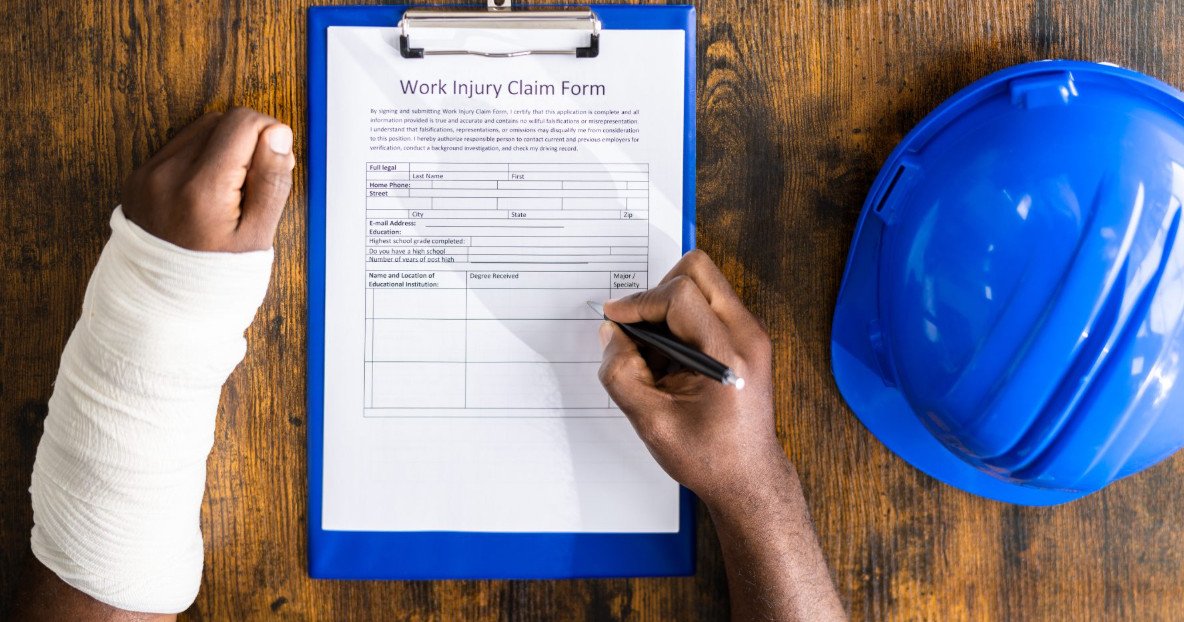
For people dealing with an injury in Houston, understanding how a personal injury claim works can make an unfamiliar legal process feel more manageable. An accident can leave someone balancing medical care, work responsibilities, financial concerns, and uncertainty about what to do next, often before the full impact of the injury is clear. Personal injury lawyers in Houston help clients make sense of those early decisions, assess the circumstances surrounding an accident, and explain what the claims process may involve. Knowing what to expect from the first conversation onward can give an injured person a clearer path as the case develops.
What Happens During The First Call
The first call gives an attorney the basic facts about the accident, injuries, treatment, and insurance coverage. The caller should explain where and when the incident occurred, identify the involved parties, and describe any immediate medical care.
A Houston injury attorney also asks about photographs, witness names, police reports, medical records, lost income, and communications with insurers. People seeking guidance about liability, damages, and claim deadlines can consult Thiessen Law Firm Houston injury lawyers before discussing their circumstances with counsel.
The attorney then determines whether the facts support a negligence claim. In Texas, a negligence claim generally requires proof that another party owed a duty, breached that duty, caused the accident, and created measurable losses.
Investigation And Medical Treatment
After accepting a case, the attorney gathers documents and evidence connected to the accident. This work can include photographs, incident reports, medical records, witness statements, employment records, and insurance information.
Medical treatment continues during this stage. Doctors document diagnoses, procedures, restrictions, expected recovery, and permanent limitations. Those records connect the injury to the accident and help calculate medical expenses, lost wages, and future earning losses.
An injured person should follow medical instructions and attend scheduled appointments. Gaps in treatment can raise questions about recovery, injury severity, or whether another event caused later symptoms.
Establishing Liability And Damages
The evidence must show who caused the accident and how that conduct produced the injury. A vehicle collision, unsafe property condition, defective security, or commercial truck crash involves different evidence and liability questions.
Damages include economic and non-economic losses. Economic damages cover medical bills, lost wages, reduced earning capacity, property damage, and other documented financial costs.
Non-economic damages address pain and suffering, emotional distress, and the effect of an injury on daily activities. Serious injuries often require evidence about rehabilitation, work restrictions, household assistance, and long-term care.
The Demand And Negotiation Stage
After treatment reaches a clear point, the attorney prepares a demand package for the responsible party or insurance carrier. The package explains liability, summarizes medical treatment, documents financial losses, and states the amount requested.
The insurer reviews the materials and responds with acceptance, a counteroffer, or a denial. Initial offers often fail to reflect the full value of documented losses, especially when future treatment or reduced earning capacity remains unresolved.
Negotiations continue through written offers and discussions between the parties. The attorney compares each proposal with the available evidence, expected costs, liability risks, and the possibility of filing a lawsuit.
Filing A Lawsuit When Necessary
A lawsuit begins when negotiations do not produce a fair resolution or the insurer disputes responsibility. The complaint identifies the parties, describes the accident, explains the alleged negligence, and states the damages sought.
The discovery process follows. Each side exchanges information, requests records, questions witnesses, and gathers testimony through depositions. Attorneys use this evidence to assess trial risks and refine the damages calculation.
Many cases settle after filing because both sides gain a clearer view of the evidence. If settlement remains unavailable, the case proceeds toward trial, where a judge or jury decides liability and damages.
How Settlement Works
A settlement becomes final after both sides agree to written terms. The injured person typically signs a release that ends the claim against the settling parties in exchange for payment.
Before signing, the person should understand the payment amount, deductions, liens, case expenses, and the claims released. The settlement agreement controls what happens next, so changes become difficult after execution.
After the release is completed, the insurer sends payment according to the agreement. The attorney resolves approved liens and case expenses before distributing the remaining funds to the client.
Conclusion
A personal injury claim depends on organized evidence, consistent medical care, accurate damage records, and careful negotiation. The first call begins a review of liability, treatment, insurance coverage, and financial harm. An injured person should avoid recorded statements or settlement releases before receiving legal guidance about the claim’s full value. The practical next step is to collect accident records, medical documents, wage information, and insurer correspondence before scheduling a case evaluation.