Starting your journey as a radio broadcaster means stepping into a world where creative content meets cutting-edge technology and dynamic audience engagement. Today’s radio industry is more accessible than ever, making it a promising path for creators eager to connect with listeners locally or globally. As a new broadcaster, your success depends on your unique voice and your ability to deliver reliable, high-quality programming. Investing in top-notch broadcasting equipment and mastering new digital tools can set you apart from others in the field and help ensure that your audience keeps tuning in week after week. With competition only a click away, the standard for professionalism is higher than ever.
Mastering the technical side of broadcasting is only half the battle—developing captivating on-air skills is equally important. Every skill you develop strengthens your ability to thrive in radio’s fast-evolving landscape, from creating authentic audience connections to demonstrating strong technical competence. The essentials outlined in this guide are designed to help you survive and excel in an industry undergoing rapid transformation by new formats, listener habits, and technologies.
Microphones: The Heart of Your Broadcast
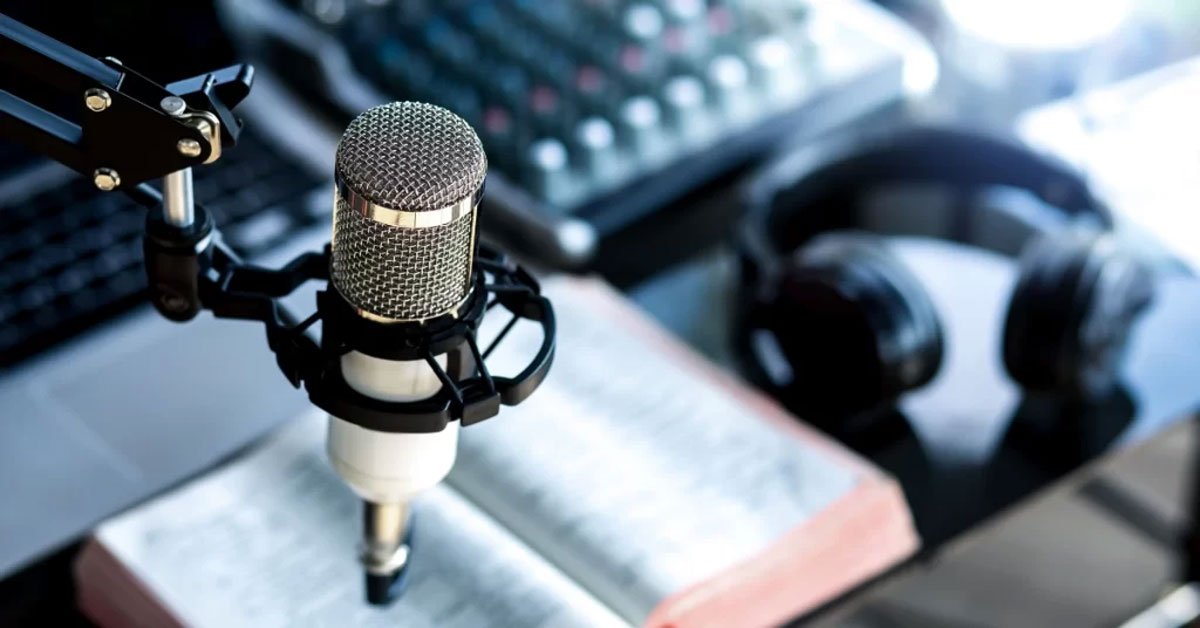
Your microphone is the critical link between your voice and your listeners; choosing the right one can transform your show’s sound quality and listener experience. Condenser microphones, such as the Shure MV7, deliver crystal-clear clarity and exceptional detail, making them ideal for studio recording and narrative storytelling. Meanwhile, dynamic microphones like the Samson Q2U are sturdy and well-suited for busy or noisy environments, helping keep your broadcast clean and consistent outside a controlled studio. Think about the conditions where you’ll be recording—each microphone has strengths depending on your space, background noise, and style. Prioritizing a microphone matched to your broadcasting needs ensures every word is heard just as you intend, which is essential for keeping your audience engaged.
Audio Interfaces: Bridging the Gap
Audio quality and interfaces are vital to any modern broadcaster’s toolkit. These devices convert analog audio signals from your microphone into a digital format that your computer and broadcasting software can recognize. The Focusrite Scarlett 2i2 is especially popular, admired for its intuitive setup and high-quality preamps, which minimize distortion, noise, and lag that can hamper the listener experience. A dependable audio interface ensures that your voice is accurately transmitted to your audience and allows you to plug in multiple audio sources and adjust levels in real time. Reliability is key—poor audio hardware can result in frustrating technical issues or lost listeners, so invest in an interface built for broadcast.
Headphones: Monitoring Your Sound
Monitoring your own broadcast is crucial in maintaining professional sound quality; this is where headphones come in. Closed-back headphones, such as the Audio-Technica ATH-M50x, are favored for radio because they help you focus on your sound without distractions and prevent audio leakage into your microphone during live sessions. Catching subtle audio issues or background distractions before your listeners do is a mark of professionalism. Choose headphones that balance long-wear comfort and durability with precise, accurate sound fidelity—a vital combination for lengthy broadcasts or marathon editing sessions. Equipping yourself with fabulous headphones ensures you’re always aware of what your audience is hearing.
Broadcasting Software: Managing Your Content
Today’s radio broadcaster requires more than just basic audio recording tools. Managing live shows, seamless transitions, and curated playlists requires user-friendly and powerful broadcasting software. Platforms such as Mixxx offer robust automation capabilities and easy-to-use live options, making them suitable whether you’re a solo creator or planning to expand into a team-operated station. Good software simplifies everything from switching between music tracks and talk segments to integrating with live callers or external feeds. Choosing reliable software reduces the time spent troubleshooting and increases the time available to focus on content creation and audience engagement.
Beyond your technical setup and basic sound, learning from more experienced broadcasters and leading industry experts can offer practical guidance and ongoing inspiration. Staying in touch with developments and reviews in larger radio publication sites like Radio World will help you refine your approach, upgrade your equipment when needed, and maintain a technological edge in a competitive field.
Storytelling and Interviewing Skills
Outstanding broadcasters do more than play music or read the news—they forge authentic audience connections through skillful storytelling and impactful interviews. Learning to share stories that resonate or conduct interviews that uncover insights is central to sustained listener engagement. Developing your narrative techniques helps keep your programming fresh, whether you host daily talk shows or weekly music countdowns. Excellent guides like Paul Chantler’s “Essential Radio Journalism: How to Produce and Present Radio News” can accelerate your learning, helping you master pacing, tone, and the art of asking probing questions. For deeper inspiration and real-world examples, read magazine features or listen to shows from trusted sources such as NPR’s This American Life, where storytelling is elevated to an art form.
Staying Informed and Continuous Learning
The radio industry is never static; new laws, audience trends, and breakthrough technologies appear regularly. Staying current lets you adapt as needed, keeping your content relevant and your audience engaged. Trusted platforms, like Radio Essentials and other industry blogs, provide news, gear reviews, and creative guidance that can help keep your content fresh. Subscribe to daily news updates, industry podcasts, and newsletters to stay in conversation with peers and learn from well-known hosts’ success stories—and setbacks. Networking with other broadcasters through forums and online groups can also reveal practical tips and emerging best practices in real time.
Legal Considerations: Licensing and Rights
Music and content licensing are non-negotiable aspects of professional broadcasting. Even the best programming can be derailed if you ignore copyright law or fail to secure appropriate licenses. Understanding local and international copyright requirements and consulting guidance from organizations like BMI, ASCAP, or your regional equivalent is crucial for avoiding fines or being shut down. Take the time to research which licenses apply to you and your station’s format, and stay updated by visiting trusted websites such as the Federal Communications Commission (FCC) for regulatory tips and policy changes.
Building an Online Presence
Expanding your radio station’s audience with a strong online presence is easier than ever. Utilizing social media platforms such as Facebook, Twitter, Instagram, and newer podcast-sharing networks lets you interact directly with your audience, participate in trending conversations, and foster community loyalty. Sharing show highlights, behind-the-scenes content, and interactive polls or contests regularly generates buzz, helping you attract new listeners while maintaining engagement with longtime fans. Consider developing a simple website that embeds your live stream and includes show archives, contact info, guest bios, and ways for listeners to connect or share feedback. Online engagement makes your content more discoverable and gives you metrics to track your station’s reach and growth.
Becoming a successful radio broadcaster in today’s landscape means blending technical proficiency with creative storytelling and a constant hunger to learn. Investing in solid broadcasting essentials, updating your skills, seeking inspiration, and staying engaged with industry developments all work together to help you launch and sustain a rewarding broadcasting career. With the right blend of equipment, skill, and ongoing curiosity, the journey from startup station to seasoned broadcaster is within your reach.