AC air usually smells musty because moisture is sitting somewhere it should not: on the evaporator coil, in the drain pan, inside a clogged condensate line, on a dirty filter, or in damp ductwork. The smell may fade after a few minutes, but if it keeps returning, treat it as a moisture problem first and an odor problem second.
That distinction matters. Sprays, candles, and plug-in fresheners may cover the damp-basement smell for an hour, but they do not dry a wet coil, clear a drain line, or remove microbial growth from dust. A musty AC is telling you that cold surfaces, dust, and humidity have created a small indoor ecosystem. The fix is to remove the water source, clean the dirty surface, and restore airflow.
Quick Answer: The Most Likely Reason Your AC Smells Musty
The most common cause is moisture collecting on dust inside the cooling system, especially around the evaporator coil and drain pan. Mold or mildew can grow when that moisture does not drain or dry out.
Air conditioners remove heat and moisture at the same time. Warm indoor air passes over a cold evaporator coil, water condenses on the coil, and that water should drip into a pan and leave through the condensate drain. When any part of that path gets dirty, clogged, poorly pitched, or starved for airflow, damp dust becomes the odor source.
The U.S. Environmental Protection Agency says indoor mold control depends on moisture control, because mold spores are already common in indoor and outdoor air. In plain English: the smell is not solved by trying to sterilize the whole house. It is solved by finding where the AC is staying wet and why.
EPA mold guidance is blunt about this point: clean up mold and eliminate the moisture source. For an AC system, that usually means checking drainage, filtration, airflow, and the coil area before jumping to expensive duct cleaning.
What the Timing of the Smell Tells You
When the odor appears is one of the best clues. A smell that lasts 30 seconds after startup points to a different problem than a smell that fills every room all afternoon.
| When you notice it | Likely cause | What to check first |
|---|---|---|
| Only for the first few minutes after the AC starts | Damp coil, stale air in the cabinet, light microbial buildup | Filter, coil cleanliness, fan-only drying habit |
| Every time cooling runs | Dirty evaporator coil, clogged drain pan, restricted airflow | Condensate drain, pan, blower area, return filter |
| Mostly from one vent or one room | Damp duct section, local condensation, nearby wall or ceiling moisture | Vent cover, duct insulation, water stains, room humidity |
| Whole house smells damp even when AC is off | Basement, crawlspace, attic, or building moisture entering return air | Return leaks, crawlspace vapor barrier, indoor humidity |
| After a repair or long seasonal shutdown | Stagnant water, disturbed dust, wet insulation, old drain blockage | Drain line, pan slope, cabinet interior, service panel area |
Here is the annoying little detail people often miss: if the smell is strongest right as the blower starts, the odor source may be sitting close to the indoor air handler, not at the outdoor condenser. The outdoor unit can have its own problems, but musty supply air usually starts on the indoor side where condensation forms.
Main Causes of Musty AC Air
A musty AC smell is usually a chain reaction, not a single mystery part. Moisture sticks around, dust gives microbes something to grow on, and airflow spreads the odor through the vents.
Dirty Evaporator Coil
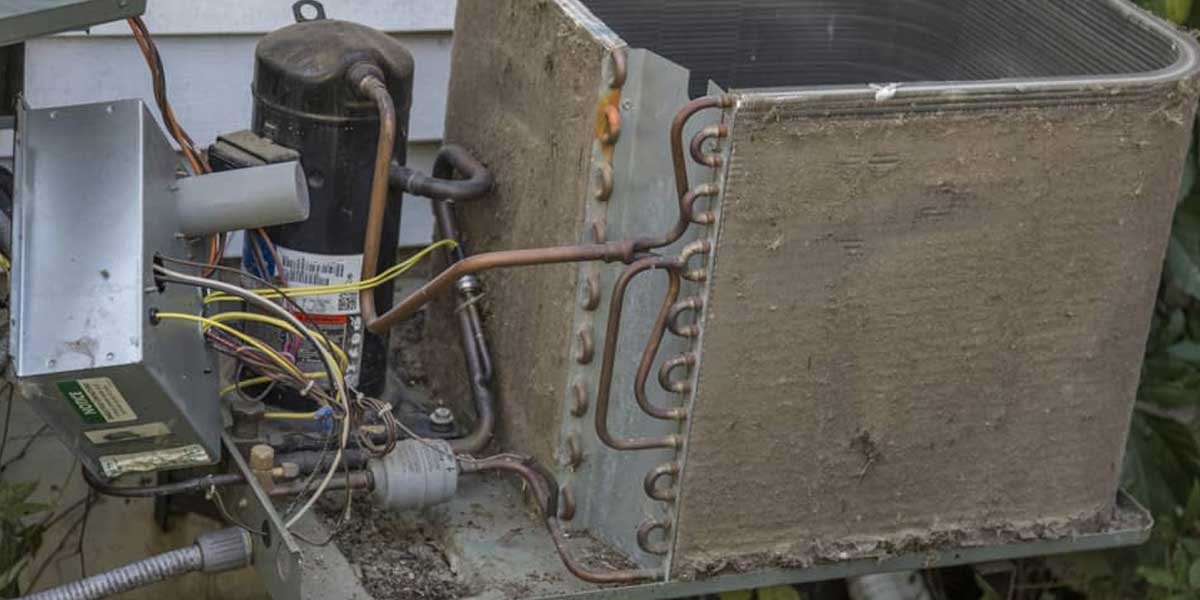
The evaporator coil is the cold indoor coil that pulls heat and moisture from your air. If dust coats the coil, the condensed water does not rinse cleanly off a smooth metal surface. It clings to grime, and the coil can start smelling like wet laundry that never dried.
This is a common reason homeowners ask, “Why does my ac air smell musty?” after changing the filter and still getting the same odor. A new filter helps going forward, but it does not clean the dust already packed on the coil.
Clogged Condensate Drain Line
The condensate line carries water away from the air handler. Algae, slime, dust, and debris can restrict the line until water backs up into the pan. Standing water in a warm mechanical cabinet is almost guaranteed to smell stale over time.
Signs include water around the indoor unit, a float switch shutting the system off, gurgling near the drain, or a smell that gets worse during long cooling cycles. If the air handler is in an attic, do not ignore this one. A clogged drain can become a ceiling stain before it becomes a comfort problem.
Dirty or Damp Air Filter
A dirty filter reduces airflow across the evaporator coil. That can make the coil colder than intended, increase condensation, and leave more moisture behind after the cooling cycle ends.
ENERGY STAR recommends inspecting, cleaning, or changing central AC, furnace, or heat pump filters about once a month during regular use. A clean filter is not glamorous maintenance, but it is the cheapest first move when the air smells damp. The full checklist is available from ENERGY STAR heating and cooling maintenance guidance.
Wet or Dirty Drain Pan
The drain pan should collect condensation and send it away. If the pan is cracked, rusted, out of level, or coated with biofilm, it can hold a thin layer of water even after the system stops.
A shallow film of water may not look dramatic. It can still smell. When dust lands in that pan, the odor can be pulled into the air stream every time the blower runs.
Damp Ductwork or Leaky Returns
Ducts do not have to be full of visible mold to smell musty. Dust inside a duct, humid air leaking in from a crawlspace, or condensation on poorly insulated metal can all create a stale odor.
The return side matters especially. If a return leak pulls air from a damp basement, crawlspace, attic, garage, or wall cavity, the AC may distribute that smell even if the coil is clean. This is one reason duct cleaning alone can disappoint people. If the duct is still pulling humid air from the wrong place, the smell comes back.
Oversized AC and Poor Humidity Control
An oversized air conditioner can cool the house too quickly and shut off before it removes enough moisture. The thermostat is satisfied, but the house still feels clammy. That extra humidity feeds the same musty conditions that started the problem.
Short cycling, cold rooms with sticky air, and frequent on-off operation are clues. In that case, cleaning may help the smell, but sizing, airflow, thermostat settings, or dehumidification may need attention too.
What to Do First When AC Air Smells Musty
Start with the low-risk checks before opening equipment panels or buying odor products. The goal is to confirm airflow, drainage, and visible moisture without damaging the system.
- Replace or clean the air filter. Use the filter size and MERV range recommended for your system. A filter that is too restrictive can create airflow trouble.
- Look around the indoor air handler. Check for water on the floor, rust around the pan, wet insulation, stains, or a sour smell near the cabinet.
- Check the condensate drain outlet. During cooling, you should normally see water draining. No drainage on a humid day can mean a blockage or a dry system that is not removing moisture well.
- Run fan-only mode briefly after cooling. Some systems allow a short fan run to help dry the coil. Do not run the fan continuously in a humid climate if it seems to re-evaporate moisture back into the house.
- Clean supply and return grilles. Dusty grilles are rarely the whole cause, but cleaning them removes odor-holding dirt and makes it easier to spot new residue.
- Measure indoor humidity. A basic hygrometer can tell you if the home is sitting above a comfortable range. Persistent high humidity makes every odor fix less durable.
One Reddit user described a very familiar pattern: the unit smelled “musky, sweaty” for the first 30 minutes, even after fan mode and chemical washing. That kind of recurring startup smell is a clue to look beyond perfume-style fixes and ask whether the coil, blower, and drainage path were actually washed and dried.
“One unit in my master bedroom consistently blows out a musky, sweaty smell for the first 30 minutes when it’s turned on.”
What Not to Do
The wrong fix can make a musty AC smell harder to diagnose. Avoid treatments that hide odor, add residue, or push moisture deeper into the system.
- Do not spray random disinfectants into supply vents. The product may not reach the coil or drain pan, and some sprays are not meant to be inhaled through HVAC airflow.
- Do not assume duct cleaning is the first answer. Duct cleaning can help when ducts are visibly contaminated or debris-filled, but it will not fix a clogged drain or dirty coil.
- Do not ignore water near the air handler. Odor plus water means the system needs attention before it damages flooring, drywall, or ceiling material.
- Do not keep replacing filters every few days without checking airflow. A filter that turns damp or dirty too quickly may point to return leaks, a dusty home, or a coil problem.
- Do not use bleach casually in the drain line. Some manufacturers and technicians prefer specific drain treatments because harsh chemicals can affect metal, PVC, pumps, or nearby finishes.
Air freshener inside a musty room is especially unsatisfying. It gives you wet-sock air with a layer of artificial citrus on top, which somehow feels worse because now the house smells damp and busy.
When to Call an HVAC Professional
Call a professional when the smell persists after basic filter and drain checks, when you see water or suspected mold, or when the system needs coil, blower, duct, or drain service beyond easy access.
Professional service is the better route if the evaporator coil needs cleaning, the blower wheel is coated with dust, the condensate pan is damaged, the drain line repeatedly clogs, or the air handler is difficult to access safely. A technician can also check refrigerant charge, coil temperature, static pressure, fan speed, and duct leakage. Those details decide whether the odor is a cleaning issue or an airflow and humidity issue.
You should also stop running the system and get help if you smell burning, electrical odor, gas, sewage, or chemical fumes. Those are different from a musty AC smell and can involve safety risks.
| Symptom | Urgency | Reason |
|---|---|---|
| Musty smell only, no water, no symptoms | Start with filter and moisture checks | Often basic maintenance or light coil moisture |
| Musty smell plus visible water | Schedule service soon | Drain pan or condensate line may be failing |
| Musty smell plus visible growth | Get inspection and cleaning | Moisture source and contaminated surfaces need correction |
| Musty odor with asthma or allergy flare-ups | Be more cautious | Indoor air irritants can affect sensitive people sooner |
| Burning, gas, or chemical smell | Stop the system and seek urgent help | These are not normal musty-air problems |
How to Prevent Musty AC Smells From Coming Back
Prevention is mostly boring maintenance done on schedule. Clean filters, clear drains, proper airflow, and controlled humidity make the AC a bad place for musty odors to form.
- Change filters on a regular schedule. Monthly inspection during heavy cooling season is a good habit, even if the filter itself lasts longer.
- Keep the condensate drain clear. Ask your HVAC technician what drain maintenance is safe for your specific setup.
- Have the coil and blower inspected during annual service. A clean coil drains better and transfers heat more efficiently.
- Control indoor humidity. If the home often feels damp, ask about airflow, AC sizing, thermostat settings, ventilation, or a whole-home dehumidifier.
- Seal obvious return leaks. Return leaks can pull musty air from building cavities and distribute it through clean rooms.
- Keep the area around the air handler clean and dry. Dust and stored items around mechanical equipment make odor and airflow problems harder to spot.
If the phrase “Why does my ac air smell musty?” keeps coming up every cooling season, do not reset the clock with another fragrance product. The repeat pattern is the useful evidence. Something in the system is staying wet, dirty, or both.
FAQ
Is a musty AC smell dangerous?
A musty AC smell is not automatically dangerous, but it can signal moisture and microbial growth that should be corrected. People with asthma, allergies, or weakened immune systems should be more cautious and avoid letting the odor linger for weeks.
Can I run my AC if it smells musty?
You can usually run the AC briefly while checking basic causes, but stop if you see water, visible growth, electrical smells, burning odors, or worsening symptoms. Persistent musty air deserves inspection because the system may be spreading damp air or odor from contaminated surfaces.
Will changing the filter fix musty AC air?
Changing the filter may fix a mild odor if the filter is dirty or damp, but it will not remove buildup from the evaporator coil, drain pan, blower, or ducts. If the smell returns quickly, keep troubleshooting.
Why does the smell go away after a few minutes?
The smell may fade after startup because stale air near the coil or ductwork gets flushed out. That does not always mean the problem is gone. It often means the odor source is small, intermittent, or drying once airflow begins.
Does musty AC air mean mold in the ducts?
Musty AC air can come from ducts, but the evaporator coil, drain pan, condensate line, filter, and return leaks are often more likely first checks. Duct cleaning makes sense when inspection shows visible contamination, heavy debris, or a moisture source affecting the duct system.
What is the fastest way to get rid of musty AC smell?
The fastest safe start is to replace the filter, verify the drain is flowing, check for standing water, and clean accessible grilles. If the smell persists, professional coil and drain service is usually faster than repeated DIY deodorizing.
Final Takeaway
Musty AC air is a moisture clue. The smell may be light, embarrassing, or only there at startup, but the fix is still practical: clean the dirty surfaces, clear the water path, restore airflow, and keep indoor humidity under control. Once the system dries properly, the air should smell like nothing at all. That is the real win.
Maintaining a high property value often involves looking beyond the surfaces and considering the health of the entire home environment. Just as quality flooring provides a durable foundation for a room, a well-maintained climate control system ensures that the indoor air remains comfortable and free from odors that can detract from a home’s appeal. Addressing issues such as musty smells or poor ventilation promptly is a key part of responsible homeownership. For residents in Virginia, staying on top of seasonal maintenance and seeking ac repair in woodbridge when performance drops can help protect the structural integrity of the home and the comfort of its occupants.
When updating a property, focusing on underlying building systems is just as vital as upgrading cosmetic finishes to secure the property’s long-term value. Installing high-efficiency climate controls, for example, improves daily comfort while offering significant energy savings. Homeowners looking to integrate these modern upgrades into their renovation designs often consult with professional hvac Las Vegas technicians to ensure their heating and cooling systems are perfectly configured for peak efficiency and lasting value.