Saturday, October 31, 2026
Mitmunk
  • Home Improvement
  • Finance
  • Lifestyle
  • Business
  • Seo Digital
  • Auto
  • Law
  • Health
  • Other
    • Travel
    • Outdoor
    • Fashion
    • Entertainment
    • Construction
    • Education
    • Tech
    • Pet
    • Real Estate
No Result
View All Result
  • Home Improvement
  • Finance
  • Lifestyle
  • Business
  • Seo Digital
  • Auto
  • Law
  • Health
  • Other
    • Travel
    • Outdoor
    • Fashion
    • Entertainment
    • Construction
    • Education
    • Tech
    • Pet
    • Real Estate
No Result
View All Result
MitMunk
No Result
View All Result
Home Home Improvement
10 Essential Furnace Maintenance Tips Every Homeowner Should Know

10 Essential Furnace Maintenance Tips Every Homeowner Should Know

Share on FacebookShare on Twitter

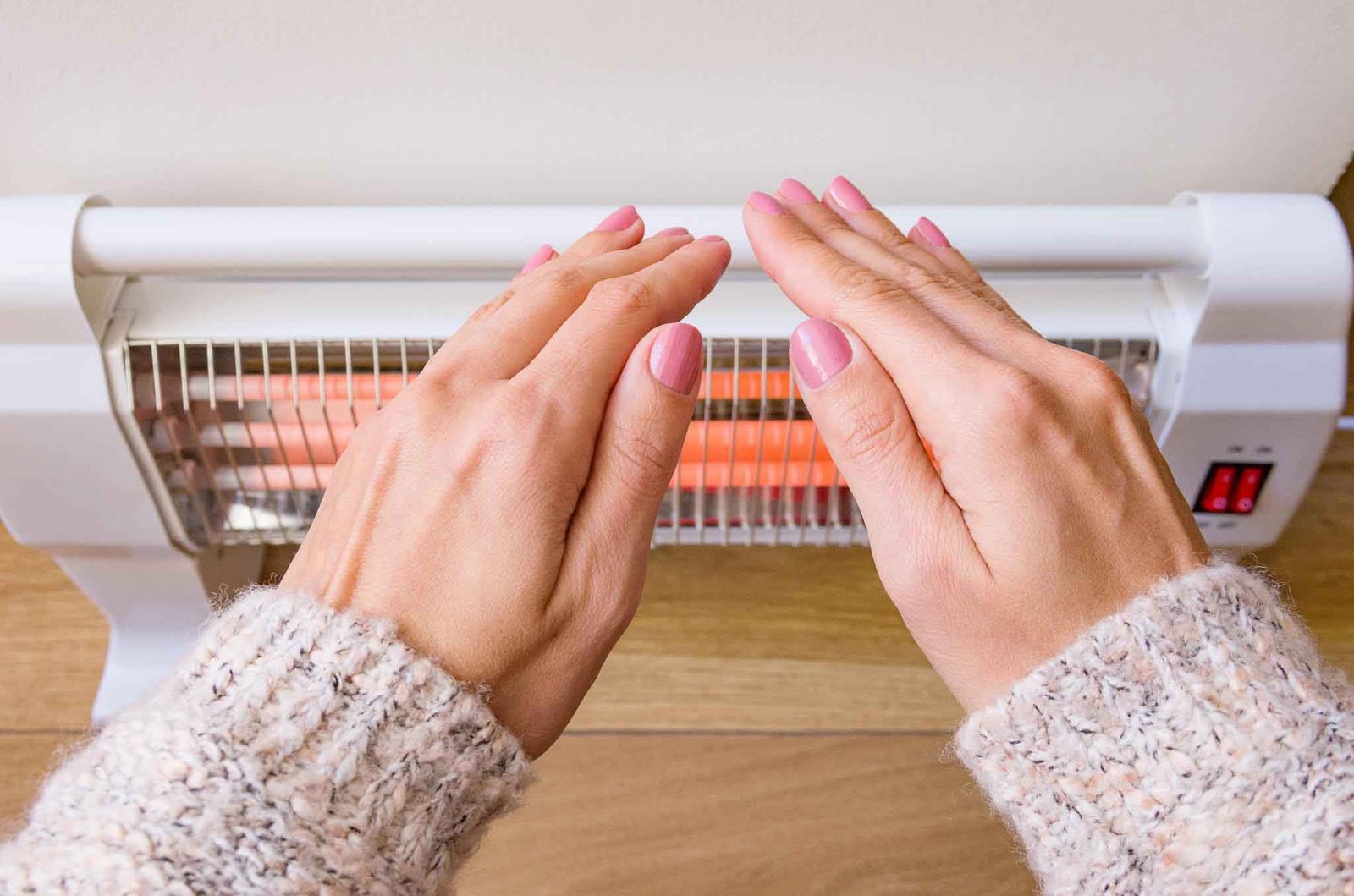
The cold season is just around the corner, and freezing temperatures are fast approaching. And for homeowners, this means one thing: it’s time to switch on the furnace. But before you crank up the heat, you must ensure your furnace works correctly. While calling a local furnace service company in Borger, TX is the best way to make sure your furnace is functioning optimally, there are a few steps you can take as a homeowner to help maintain and protect your furnace.

Table of Contents

Toggle
  • 1. Replace the Air Filter
  • 2. Inspect the Thermostat
  • 3. Check the Electrical Components
  • 4. Clean the Combustion Chamber
  • 5. Lubricate Moving Parts
  • 6. Check the Flue and Vents
  • 7. Inspect the Heat Exchanger
  • 8. Ensure Proper Airflow
  • 9. Test Carbon Monoxide Detectors
  • 10. Schedule Professional Maintenance

1. Replace the Air Filter

One of the easiest and most important furnace maintenance tasks is to replace the air filter. Dirty filters restrict airflow, reducing your furnace’s efficiency, and can even lead to system malfunctions. It’s recommended to replace the filter every one to three months, depending on usage.

2. Inspect the Thermostat

Inspect the thermostat and ensure it’s working correctly. Set it to heat mode and make sure the furnace ignites, the fan starts, and the temperature rises accordingly. If you suspect any issues, replace it with a programmable thermostat to save energy.

3. Check the Electrical Components

Turn off the power supply and thoroughly check the electrical components, wires, and connections. Ensure that there’s no corrosion, fraying, or other damage. If you suspect any problems, call an HVAC professional to address them.

4. Clean the Combustion Chamber

The combustion chamber is where the magic happens, where the furnace burns fuel and produces heat. It’s essential to keep this area clean, as debris can accumulate and prevent efficient combustion. Use a wire brush or vacuum to remove any soot or residue buildup.

5. Lubricate Moving Parts

Furnace motors, fans, and other moving parts will eventually wear down or cause excess friction. Lubricate these parts regularly to prolong their life span and ensure they work efficiently.

6. Check the Flue and Vents

A blocked flue or vent can be a safety hazard, releasing harmful gasses like carbon monoxide into your home. Check that there’s no debris or blockage in the flue, and ensure the pipe is correctly connected.

7. Inspect the Heat Exchanger

The heat exchanger is where the furnace produces heat, and it’s essential to keep it in good condition. Inspect the heat exchanger for cracks, rust, or other damage that could pose a safety hazard. If you notice any of these issues, contact an HVAC professional immediately.

8. Ensure Proper Airflow

Proper airflow is critical for your furnace to operate efficiently. Ensure all vents and registers are open and free from obstructions such as furniture or curtains.

9. Test Carbon Monoxide Detectors

Carbon monoxide (CO) is an odorless, colorless, and toxic gas that can be lethal if undetected. It’s essential to have carbon monoxide detectors installed and test them regularly to ensure they’re functioning correctly.

10. Schedule Professional Maintenance

Regular professional maintenance is essential to keep your furnace running smoothly and efficiently. Contact an HVAC professional to schedule an annual heating tune-up, including cleaning, inspection, and repairs as needed.

In summary, performing regular maintenance on your furnace is essential to ensure it’s functioning correctly and efficiently. From replacing air filters and inspecting the thermostat to cleaning the combustion chamber and lubricating moving parts, there are several easy tasks you can do to maintain your furnace. However, it’s also important to recognize when to call in a professional. Schedule a furnace maintenance service today!

Related Posts

paint-colors-for-living-room-how-to-choose-the-per-1

Paint Colors for Living Room: How to Choose the Perfect Shade for Your Space

by Emily Stevens
August 5, 2026
0

You are standing in the paint aisle with 50 shades of beige in your hand, and they all look the...

why-hvac-maintenance-is-important-save-money-exten-1

Why HVAC Maintenance Is Important: Save Money, Extend Life, and Prevent Breakdowns

by Emily Stevens
July 25, 2026
0

Last winter, your furnace stopped working on the coldest night of the year. The repair technician found a cracked heat...

artificial-grass-cost-material-installation-and-lo-1

Artificial Grass Cost: Material, Installation, and Long-Term Value Compared

by Emily Stevens
July 24, 2026
0

You are tired of spending every Saturday mowing, watering, and weeding the lawn. The water bill keeps going up, and...

POPULAR NEWS

Delores Miller Clark

Delores Miller Clark: Learn More about John List’s Ex-Wife

September 27, 2022
Deserai Anderson Utley Personal Life, Career, & More

Deserai Anderson Utley Personal Life, Career, & More

September 30, 2022
Lisa Seal Frigon

Lisa Seal Frigon: All about Drug Lord Barry Seal’s Daughter

September 18, 2022
Linnell S. Nobori

Linnell S. Nobori: All there is to Know about Ted Bessell’s Wife

September 5, 2022
Gweneth Gonzales Thomas

What You May Not Know About Gweneth Gonzales Thomas, Richard Thomas’ Daughter

August 2, 2022

EDITOR'S PICK

The Best Bed Frames for Support and Bedroom Renovation-1

The Best Bed Frames for Support and Bedroom Renovation

November 10, 2022
Railroad modeling, also known as model railroading, is a beloved hobby that has been enchanting enthusiasts of all ages for generations. The world of model trains is a captivating realm where creativity, craftsmanship, and imagination come together to recreate the charm and nostalgia of railroads on a smaller scale. From meticulously building miniature landscapes to designing intricate train layouts, the art of creating these trains is a delightful and rewarding experience that allows hobbyists to build their own miniature worlds. The Journey Begins: Choosing Your Scale One of the first and most crucial decisions in model railroading is choosing the scale. These trains come in various scales, representing different proportions of the real-life counterparts. The popular scales include HO, N, O, and G, each offering unique challenges and opportunities for creativity. HO scale, being the most common, provides a good balance between detail and space, making it a popular choice for beginners and seasoned modelers alike. On the other hand, N scale offers more intricate layouts for those with limited space, while O and G scales are perfect for those who prefer large, grand layouts. Crafting the Landscape: Building Scenery Creating an immersive and realistic landscape is an essential aspect of model railroading. Hobbyists meticulously design and construct miniature worlds, complete with mountains, valleys, rivers, and towns. The process involves using a combination of materials, such as foam, plaster, and scenic textures, to sculpt the terrain. Trees, foliage, rocks, and other scenery elements are carefully placed to bring the model train layout to life. The art of crafting scenery allows modelers to unleash their creativity and transport themselves and their viewers to a mesmerizing world of imagination. The Iron Horses: Assembling Model Trains At the heart of model railroading are the model trains themselves. Building and assembling the trains require attention to detail and a passion for precision. Modelers can choose from a vast array of locomotives, freight cars, and passenger cars, representing various eras and railroad companies. Some enthusiasts even enjoy scratch-building or kit-bashing, which involves modifying existing models or creating unique locomotives and rolling stock from scratch. The joy of seeing the trains come to life on the tracks adds an extra layer of fulfillment to the hobby. A World in Motion: Laying the Tracks Laying tracks is a pivotal part of model railroading, and it requires careful planning and execution. The tracks are the lifeline of the miniature railroad, determining the flow and operation of the model trains. Modelers carefully lay the tracks, ensuring smooth curves, switches, and turnouts for seamless train movement. The wiring and control systems are also meticulously set up to allow multiple trains to run simultaneously. The satisfaction of seeing the trains glide effortlessly along the tracks is a rewarding experience for any model railroader. Bringing Realism to Life: Weathering and Detailing To achieve authenticity and realism, modelers often weather and detail their trains and scenery. Weathering involves adding wear and tear to the trains, making them look like their real-life counterparts that have endured the elements of time and travel. Modelers use various techniques like airbrushing, weathering powders, and paint to achieve the desired effect. Additionally, detailing the scenery with miniature figures, vehicles, and buildings adds depth and character to the model train layout, making it even more engaging for viewers. Creating a Narrative: Storytelling with Model Trains Model railroading goes beyond assembling trains and scenery; it allows modelers to create captivating narratives within their layouts. Hobbyists often design scenes that depict specific eras, locations, or historic events, effectively telling stories through their miniature worlds. From recreating a bustling cityscape from the 1950s to depicting a peaceful countryside scene from the 19th century, model trains offer a canvas for storytelling that sparks curiosity and fascination in viewers of all ages. Conclusion The art of railroad modeling, with its meticulous attention to detail and boundless creativity, allows enthusiasts to build their miniature universes filled with the charm of trains and the allure of the railroad era. From choosing the scale to crafting the landscape and assembling the model trains, every aspect of model railroading is a testament to the passion and dedication of its practitioners. As model trains come to life on carefully laid tracks, they evoke a sense of nostalgia and wonder, taking both the modeler and the viewer on an enchanting journey through a world of precision, craftsmanship, and imagination.

The Art of Railroad Modeling: Creating Model Trains

August 5, 2023
Ethical Branding

Ethical Branding: Driving Systemic Change Through Trust & Loyalty

February 26, 2025
Khnadya Skye

Khnadya Skye, Personal life, Career and Net Worth

May 23, 2022
Contact Us: Info@mitmunk.com

© 2022 Mitmunk Theme Copyright

No Result
View All Result
  • Homepages
    • Home Page 1
  • Business
  • Entertainment
  • Fashion
  • Health
  • Lifestyle
  • Tech
  • Travel

© 2022 Mitmunk Theme Copyright