As temperatures begin to climb in Central Texas, most homeowners focus on air conditioning maintenance and exterior upkeep. However, the attic plays a critical role in regulating indoor comfort and protecting your roofing system. As spring shifts toward summer heat, poor attic ventilation and insulation can accelerate roof deterioration and raise energy costs. Before peak temperatures arrive, roofing companies Temple, TX, homeowners rely on often recommend evaluating attic conditions as part of seasonal roof maintenance.
How Heat Builds Up in the Attic
Although heat is naturally trapped in attics, temperatures can rise far above outside levels in the absence of adequate ventilation. Attic temperatures in Texas can get above 130 to 150 degrees Fahrenheit during the summer months.
HVAC systems have to work harder due to the intense heat radiating downhill into residential areas. However, excessive heat can roast shingles from below, leading to curling, granule loss, and early aging.
Why Ventilation Is Critical
A balanced ventilation system allows hot air to escape while drawing in cooler outside air through intake vents. Without adequate airflow, moisture and heat remain trapped.
Proper ventilation helps:
- Extend shingle lifespan
- Reduce cooling costs
- Prevent moisture buildup
- Protect the entire decking from warping
Ridge vents, soffit vents, and gable vents must work together as a system. If one component is blocked or insufficient, overall performance declines.
The Role of Insulation
Between the conditioned living area and the attic, insulation acts as a thermal barrier. Heat transfer increases significantly when insulation is insufficient or uneven.
Compressed fiberglass batts, spaces surrounding penetrations, or insulation that has moved over time are typical problems. Pre-summer insulation upgrades can significantly increase indoor comfort and lessen roof structural stress.
Moisture: The Hidden Threat
Spring humidity, combined with poor ventilation, creates a risk of condensation. Moisture accumulation can lead to mold growth, wood rot, and compromised structural components.
Signs of moisture problems include:
- Dark staining on the roof decking
- Rusted nails or fasteners
- Musty odors
- Damp or compacted insulation
Unchecked moisture not only affects attic framing but can weaken the entire roofing assembly.
Impact on Roofing Materials
High attic temperatures and retained moisture directly impact rooftop materials. Underlayment may deteriorate more rapidly than asphalt shingles, which may blister or distort.
Cycles of expansion and contraction become more intense when heat accumulates beneath the roof’s surface. Even premium materials may eventually have their lifespan shortened by this heat stress.
Warning Signs You Should Not Ignore
Before summer arrives, inspect for these indicators:
- Uneven indoor temperatures between rooms
- Excessively high cooling bills
- Visible sagging in the roof decking
- Peeling paint near rooflines
- Ice dam history during rare winter freezes
These symptoms often trace back to deficiencies in attic ventilation or insulation.
The Energy Efficiency Connection
The stress on roofing materials is not the only effect of an overheated attic. It produces a quantifiable energy cost. Your HVAC system cycles more often and for longer periods when heated attic air seeps downward and conditioned air escapes through ceiling openings.
Heat gain can be significantly reduced by air-sealing around top plates, duct penetrations, attic access hatches, and recessed lighting. Equally crucial is properly sealed attic ducting. Energy waste during peak summer demand can be exacerbated by leaky ducts, which can lose a significant portion of cooled air before it ever reaches living spaces.
Structural and Decking Considerations
Roof decking may dry out and deform due to prolonged exposure to heat. With changes in temperature, plywood and oriented strand board expand and shrink. This movement has the potential to weaken fasteners and decrease the overall stability of the structure over time.
Extreme heat in the attic can cause roofing nail pops, which are tiny but highly susceptible water-entry points. Early resolution of insulation and ventilation issues lowers these cyclical stresses and maintains structural integrity.
Professional Evaluation Before Peak Heat
While homeowners can perform basic visual checks, a professional assessment provides deeper insight. Experienced roofing companies Temple, TX residents trust can evaluate ventilation ratios, insulation R values, decking condition, and airflow balance.
Professionals may also use thermal imaging or moisture meters to detect hidden issues that are not visible during a routine walkthrough.
Proactive Upgrades That Pay Off
Addressing attic deficiencies before summer delivers measurable benefits:
- Lower monthly utility costs
- Increased indoor comfort
- Extended roof lifespan
- Reduced risk of mold or structural damage
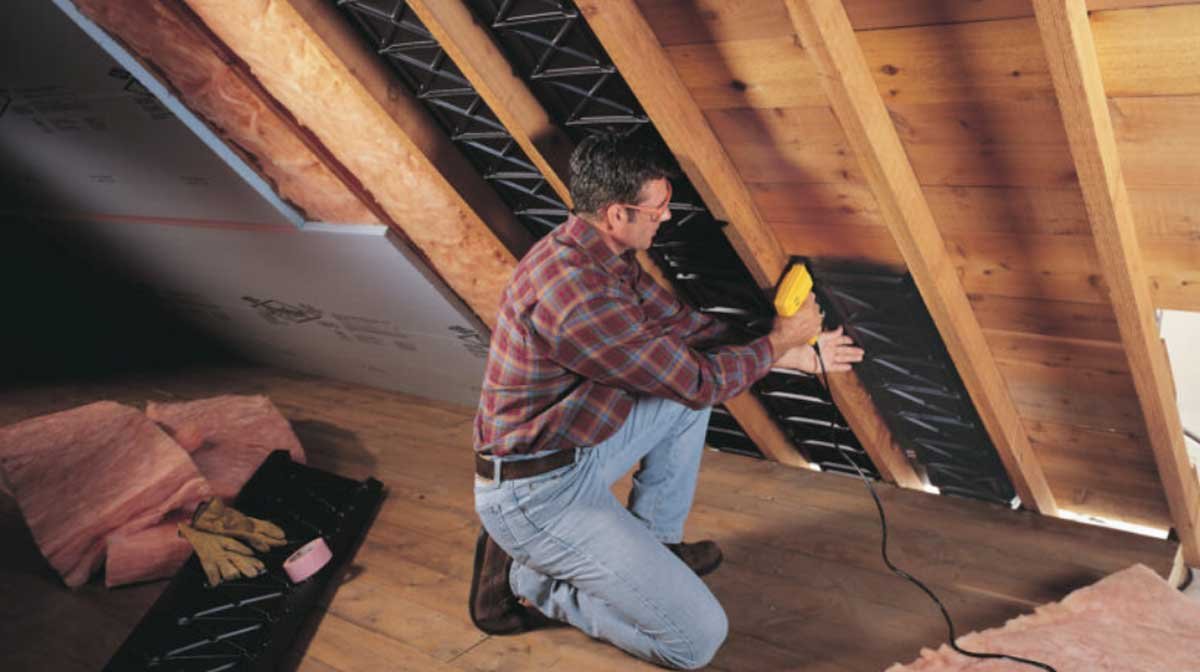
In some cases, adding ridge vents, installing radiant barriers, or upgrading insulation yields long-term savings that outweigh initial costs.
Final Thoughts
The attic is one of the most crucial yet often disregarded parts of the house as spring gives way to summer. Insulation and adequate ventilation shield your home from excessive heat stress, as does your roofing system. Small preventative adjustments now can prevent costly repairs later. By consulting trusted roofing companies Temple, TX homeowners depend on, you can ensure your attic and roof are prepared for the demanding months ahead.