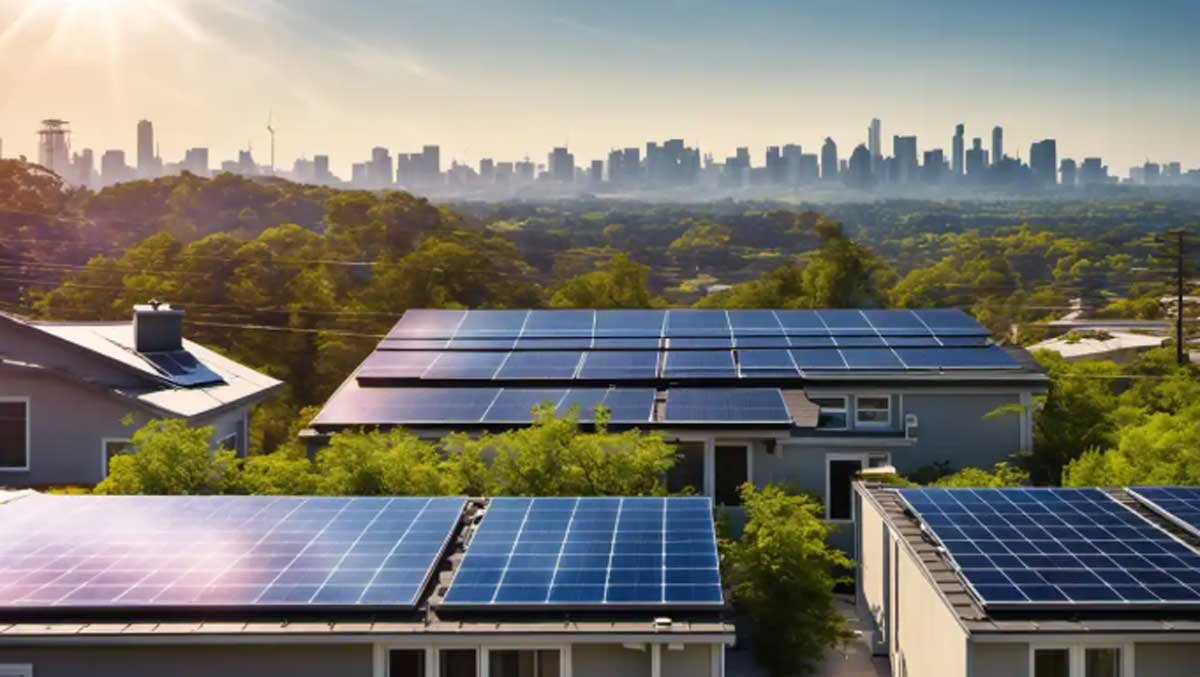
Commercial solar is becoming more popular in Illinois because business owners are looking at energy in a different way than they did a decade ago. Instead of treating electricity as a fixed monthly expense that simply has to be paid, more companies are asking whether they can control part of that cost, reduce exposure to rate increases, and make better use of the space they already own.
That shift matters because many commercial properties use a lot of power during the day, which is also when solar panels are producing energy. Offices, warehouses, manufacturers, schools, retail centers, medical buildings, and agricultural facilities often have wide roofs, open land, or large parking areas that can support solar equipment without disrupting normal operations.
Why Does Illinois Make Solar More Attractive?
Illinois has become a stronger solar market because the state has made renewable energy a serious part of its long-term planning. While every project depends on site conditions, utility rules, system size, and available incentives, many businesses are finding that Illinois offers a better commercial solar environment than they might have expected.
The state’s incentive structure is one reason for that growth. When commercial solar projects can combine state-level programs, federal tax benefits, depreciation advantages, and utility savings, the financial picture can become much more appealing than a simple panel-price calculation would suggest.
There is also a confidence factor. When a state shows steady support for renewable energy, business owners, lenders, property managers, and solar developers are more likely to invest time and money into projects because the market feels more stable.
Solar Fits the Way Modern Businesses Think About Risk
For many Illinois companies, solar is not only about environmental responsibility; it is also about risk management. Electricity prices can change, utility delivery costs can rise, and operating budgets can become harder to predict when a business has no control over one of its major recurring expenses.
Commercial solar gives businesses a way to create more predictable energy costs over time. Even when a building remains connected to the grid, producing a portion of its own electricity can help reduce dependence on outside energy purchases, which makes long-term planning easier.
This is especially important for businesses with thin margins. A manufacturer, cold-storage facility, grocery store, or large office building may not be able to control every cost, yet shaving down a major operating expense can free up money for payroll, equipment, expansion, or debt reduction.
The Federal Tax Credit Still Matters
Federal tax incentives continue to play a major role in the commercial solar conversation. For eligible businesses, the federal solar tax credit can reduce the effective cost of a system, which helps make projects easier to justify from a return-on-investment standpoint.
Some businesses may also benefit from depreciation rules that allow them to recover part of the system cost more quickly. Because these details depend on tax status, project structure, and current regulations, most companies need guidance from both a solar professional and a tax advisor before making a final decision.
Even with that complexity, the basic point is simple: commercial solar often looks more attractive when business owners evaluate the full financial picture rather than only the upfront installation cost.
Commercial Solar Can Strengthen a Brand
Customers, employees, tenants, and investors are paying more attention to how companies operate, and energy choices are part of that story. A business that installs solar can show that it is taking practical steps to reduce its environmental impact, which may support its reputation in a market where sustainability carries real weight.
This can be especially valuable for companies that serve younger customers, work with corporate partners, bid on contracts, or lease space to tenants with sustainability goals. Solar may not be the only factor that wins business, but it can become one more sign that a company is forward-thinking and responsible.
Why Are Property Owners Looking at Their Roofs Differently?
Many Illinois property owners are realizing that a large commercial roof is not just a cover over the building. It can also be an underused asset that may help produce energy, lower expenses, and improve the long-term value of the property.
This is one reason solar has become popular among warehouses, industrial buildings, shopping centers, schools, and municipal facilities. These properties often have roof space that receives strong sun exposure, and because the buildings may remain in use for decades, owners can think about solar as a long-term improvement rather than a short-term upgrade.
Some businesses are also looking at solar when they replace or repair roofs. Coordinating roof work and solar installation can make planning easier, since the owner can prepare the building for decades of future use instead of treating each project separately.
Solar Is Becoming Easier to Finance and Maintain
Commercial solar used to feel complicated and expensive to many business owners, but the market has matured. Today, companies can often compare different ownership, financing, and power-purchase options, which makes it easier to find a structure that matches their cash flow and tax situation.
Maintenance has also become less intimidating. Modern solar systems are designed to operate for many years, and reputable installers can provide monitoring, service plans, and production tracking that help owners see whether the system is performing as expected.
That matters because business owners do not want another operational headache. Solar becomes more appealing when it is presented as a managed business asset, not a science project sitting on the roof.
The Grid, Sustainability Goals, and Long-Term Planning Are All Connected
Illinois businesses are also thinking about energy because the broader grid is changing. As more companies use electric equipment, add EV charging, modernize facilities, and track carbon goals, electricity planning is becoming part of strategic planning.
Commercial solar can support that shift by helping businesses prepare for a more electric future. A company may start with rooftop solar, then later consider battery storage, EV charging, energy-efficiency upgrades, or additional building improvements.
Commercial Solar Is Becoming a Practical Business Decision
The popularity of commercial solar in Illinois is growing because it now fits several business goals at once. It can reduce energy costs, improve budget predictability, support sustainability goals, strengthen a company’s public image, and make better use of existing property.
For many Illinois businesses, solar no longer feels like a niche environmental choice. It feels like a practical investment that can support the company’s financial health, operational stability, and long-term growth.