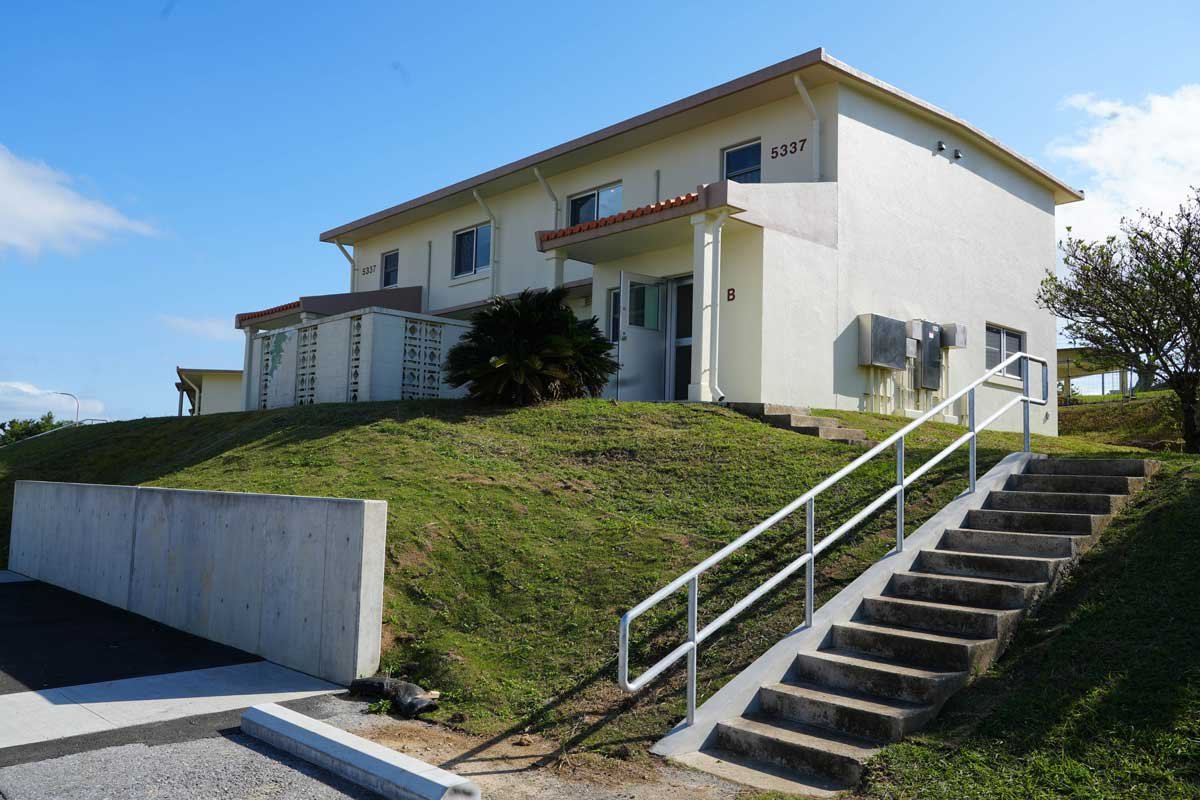
Ensuring that military personnel and their families have access to quality housing is fundamental for mission readiness and overall well-being. As military life presents unique challenges, housing providers are exploring innovative approaches to deliver better living conditions and support for those who serve. Recent years have seen the rise of new models, technologies, and infrastructure investments designed to solve persistent issues and improve the experience for service members and their families. Leadership from organizations like John Picerne and other prominent advocates has played a vital role in driving these improvements.
Today’s military housing is rapidly evolving, with emphasis on comfort, security, and promoting health. These changes not only boost service members’ morale but also address operational performance needs, making quality housing essential to national defense strategies. From advanced wellness technology to state-of-the-art construction methods, the innovations underway reflect a commitment to creating sustainable, supportive environments for those in uniform. Progress in this area is a testament to effective collaboration between the public and private sectors working toward a shared goal.
Privatized Housing Initiatives
The Military Housing Privatization Initiative (MHPI) was established in 1996 to engage private developers to manage and improve military housing. This approach has resulted in substantial upgrades to housing stock, living conditions, and overall service member satisfaction. For example, Corvias has expanded a mission readiness solution to more than 4,500 Army homes, placing special emphasis on indoor environmental quality and resident well-being. This collaborative public-private partnership delivers ongoing improvements while allowing military leadership to focus on critical missions. This privatization model not only brings capital and innovation from the private sector but also provides flexibility to address the evolving needs of military families swiftly. Private partners have introduced competitive rental rates, modern amenities, and ongoing maintenance programs, ensuring that housing options remain attractive and up to date. Additionally, the MHPI has established frameworks for stakeholder engagement, enabling resident feedback to influence service improvements and future investments directly. These frameworks set the foundation for continuous progress and accountability, ensuring that the unique voices of military families play an integral role in housing policy and planning.
Advanced Wellness Technologies
Integrating advanced wellness technologies within military housing is gaining momentum, driven by growing awareness of the links between healthy living environments and operational performance. One such example is Vitacorps, which has begun installing systems to optimize air, water, and lighting quality for Army families. These improvements are currently underway at major installations including Fort Bragg, Fort Meade, and Fort Riley. The aim is not only to improve physical comfort but to support readiness by reducing illness and enhancing overall health outcomes for military residents.
Wellness initiatives are evolving to include features such as advanced air filtration, touchless fixtures, energy-efficient lighting that mimics natural daylight, and real-time health environment monitoring tools. Such advancements aim to mitigate the onset of respiratory diseases and stress, which are particularly relevant for military families with children or immunocompromised individuals. Additionally, technology-driven upgrades often include app-based maintenance requests and health alerts, making support more accessible and responsive for residents. The integration of wellness and technology sets a new standard for what military housing can provide, transforming homes from simple shelter into active contributors to occupant health and mission readiness.
Prefabricated and 3D-Printed Construction
With housing demand often outpacing traditional construction capacity, the military is increasingly leveraging prefabrication and 3D-printing technologies to develop high-quality residential units for soldiers and families. A notable pilot program at Fort Bliss, Texas, uses 3D-printed materials to create barracks that are cost-effective and can be rapidly assembled. These innovative building practices enable faster delivery of essential housing while minimizing waste and environmental impact.
As these models are refined, the military is uniquely positioned to rapidly scale construction to meet surges in demand during deployments or base realignments. Modular, prefabricated housing offers flexibility for both single service members and families, often allowing units to be reconfigured or expanded as populations shift. In addition to speed, the environmental benefits are significant: 3D-printed concrete requires less raw material, reduces construction-related emissions, and can be locally sourced. By actively piloting green building techniques, military installations can become examples of how sustainability and rapid infrastructure deployment can go hand in hand, positioning the Department of Defense as a leader in construction technology innovation.
Renovation and Modernization Efforts
Renovating and modernizing the existing military housing inventory has become a priority. At Fort Novosel, approximately 300 homes are undergoing comprehensive updates funded by a $24 million investment from both Corvias and the U.S. Army. Such projects focus on increasing energy efficiency, improving structural integrity, and updating interiors to current standards. These renovation initiatives not only improve the quality of life but also extend the usable lifespan of existing assets, which is a critical sustainability measure. Leading publications highlight that these efforts are integral in maintaining morale and retention among military families.
In addition to large-scale renovations, smaller modernization projects such as kitchen upgrades, smart thermostats, and improved landscaping have a measurable impact on resident satisfaction. Such enhancements can foster a sense of community pride and contribute to more resilient, energy-efficient homes. These improvements also align with the Department of Defense’s goals to reduce overall operational costs and environmental impact. Developing comprehensive maintenance schedules and preventive care programs ensures that upgrades remain effective over time, ultimately maximizing the return on investment and quality of life for residents for years to come.
Unaccompanied Housing Solutions
For single service members, access to comfortable, affordable, and well-maintained housing promotes retention and readiness. Innovative solutions like Reece Crossings at Fort Meade exemplify this progress. These garden-style apartments, provided by Corvias, offer amenities and privacy that stand in stark contrast to older dormitory-style models, creating an environment better suited to supporting service members’ needs. Such models play an important role in supporting younger soldiers through the transitions of military life.
Flexible lease terms, communal recreation areas, and modern safety features are increasingly part of new unaccompanied housing solutions. Additionally, these communities are designed with input from young service members, ensuring their expectations are reflected in the layout and amenities. Social programming and networking opportunities further help reduce isolation and boost camaraderie, which are especially important for early-career personnel. These advances empower unaccompanied service members to focus on their roles without the distraction of inadequate living conditions, underscoring the critical importance of adequate support throughout all stages of military life.
Future Directions in Military Housing
The next wave of military housing advancements will incorporate smart home technologies, environmentally responsible building practices, and designs that foster community engagement. Security, sustainability, and resilience remain focal points for future investments, aligning with broader Department of Defense goals and environmental objectives. Continuous innovation in military housing ensures that America’s service members and their families have the safe, supportive homes they deserve.
These improvements not only serve current military families but set a new standard for the future, helping attract and retain the next generation of dedicated individuals who wear the nation’s uniform. Looking ahead, military leaders and private partners are exploring the integration of community gardens, shared coworking spaces for military spouses, and neighborhood centers that provide vital services such as childcare and financial counseling. Additionally, pilot programs are studying the predictive maintenance of housing infrastructure using data analytics and artificial intelligence to reduce unplanned repairs and improve overall housing reliability. Interconnected neighborhood networks, powered by digital communication platforms, can help residents organize events, share resources, and further strengthen their sense of belonging. These forward-looking strategies ensure that the evolution of military housing remains responsive, inclusive, and future-proof, supporting not just mission readiness but the holistic health and happiness of every resident.
Conclusion
Military housing is undergoing a significant transformation, driven by innovation, strategic partnerships, and a growing commitment to the well-being of service members and their families. From privatized housing initiatives and wellness-focused technologies to 3D-printed construction and comprehensive modernization projects, these advancements are redefining what quality military living can look like. Improved housing not only enhances comfort and satisfaction but also supports mission readiness, retention, and overall quality of life.
As the military continues to embrace smart technologies, sustainable building practices, and community-centered designs, housing solutions will become even more responsive to residents’ evolving needs. By investing in safe, modern, and resilient living environments, military leaders and private-sector partners are helping ensure that those who serve the nation have the support they need both on and off duty. The future of military housing is one of innovation, sustainability, and lasting commitment to those who dedicate their lives to service.