You have been looking for a way to lower your heating bills in winter, and every article you read about home energy efficiency says attic insulation is the answer to the problem. But when you go to the home center, you see rolls of fiberglass batts for $0.50 per square foot and machines for blowing loose fiberglass into the attic. You are not sure whether you need batts or blown-in material, or whether the cheapest option is actually the right choice for your particular home and situation.
Fiberglass is a common type of fiber-reinforced plastic material that uses fine glass fibers for its structure (Wikipedia), and fiberglass insulation material is the single most widely used type of insulation product in North American residential homes and commercial buildings today. The fiberglass insulation cost per square foot ranges from $0.50 to $2 for the insulation material alone, depending on whether you choose batts or blown-in, the R-value, and the application area. Installation labor adds $0.50 to $1.50 per square foot for professional installation.
The total fiberglass insulation cost depends on the type of insulation you choose, the total area you need to insulate, and the R-value required for your particular climate zone. Here is a detailed breakdown of batt and blown-in pricing and how to budget for your project.
Batt vs Blown-In Fiberglass Insulation Cost
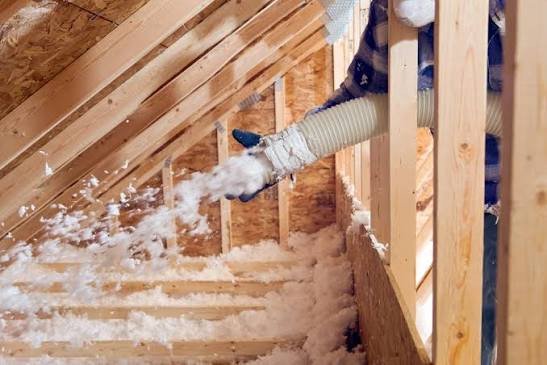
The first important choice you need to make when buying fiberglass insulation is between batts and blown-in types of material. Fiberglass batts are pre-cut rolls of insulation that are designed to fit between standard wall stud and ceiling joist spacing. Blown-in fiberglass insulation is a loose material that is blown into place using a special machine. The cost differences and performance differences between these two types are significant for most homeowners.
| Type | Material cost per sq ft | Installed cost per sq ft | R-value per inch
|
| Fiberglass batt (R-13) | $0.50u2013$0.80 | $1u2013$2 | R-2.2 to R-2.7 |
| Fiberglass batt (R-19) | $0.60u2013$1 | $1.20u2013$2.20 | R-2.2 to R-2.7 |
| Fiberglass batt (R-30) | $0.80u2013$1.20 | $1.50u2013$2.50 | R-2.2 to R-2.7 |
| Blown-in fiberglass | $0.50u2013$1 | $1u2013$2 | R-2.2 to R-2.7 |
Fiberglass batts are generally cheaper per square foot for the same target R-value when comparing the material cost alone. A bundle of R-19 batts covering 50 square feet costs $30 to $50. The same R-value in blown-in fiberglass costs $25 to $50 for the material. Blown-in fiberglass has an advantage in irregular spaces, filling around wires and pipes better than batts. For attics with complex framing, blown-in is often the better choice.
Fiberglass batts are much easier for DIY installation compared to blown-in material. No special equipment is needed for batts beyond a sharp utility knife and a straightedge to cut them to the right size for each space. The downside is that improperly installed batts that are compressed or have gaps left unfilled will perform significantly below their rated R-value, wasting both money and time.
Fiberglass Insulation Cost by Application Area
The fiberglass insulation cost varies by where it is installed. Attics, walls, crawl spaces, and basements each have different requirements and cost factors that affect the total price.
Attic insulation with fiberglass material is by far the most common application for this type of insulation in homes. Attic fiberglass batts cost $0.80 to $1.20 per square foot for R-30 material alone without labor. Professional installation by a contractor adds $0.50 to $1 per square foot to the total cost. Blown-in fiberglass attic material costs $0.50 to $1 per square foot for the insulation alone. A typical 1,000-square-foot attic with R-49 requires about 20 inches of fiberglass insulation and costs $400 to $800 for materials alone, or $800 to $1,600 installed.
Wall insulation with fiberglass batt material costs $0.50 to $0.80 per square foot for R-13 insulation that fits standard 2-by-4 wall cavities. R-15 batts for 2-by-4 walls cost $0.60 to $1 per square foot. For 2-by-6 walls, R-19 or R-21 batts cost $0.70 to $1.20 per square foot. Retrofitting walls with blown-in fiberglass through holes drilled between studs costs $1.50 to $3 per square foot installed.
Crawl space insulation with fiberglass costs $0.60 to $1 per square foot for R-19 batts that are installed between the floor joists above the crawl space. The batt must be held in place with wire stays or insulation supports. A vapor barrier is recommended over the crawl space floor in addition to the insulation material itself.
Basement wall insulation with fiberglass costs $0.60 to $1 per square foot for R-13 batts installed in framed walls built inside the basement. Fiberglass batts should not be installed directly against concrete basement walls because moisture causes mold growth. A framed wall with a vapor barrier is required.
R-Value and Thickness — How They Affect Price
The R-value and thickness of fiberglass insulation directly affect the cost. Higher R-values require more material and thicker insulation, which costs more per square foot. The U.S. Department of Energy recommends R-49 insulation for attics in most climate zones, R-13 to R-21 for walls, and R-25 to R-30 for floors above unheated spaces.
Fiberglass batts are manufactured in standard thickness sizes that correspond to common R-values used in residential construction. R-13 batts are 3.5 inches thick designed for standard 2-by-4 wall cavities. R-19 batts are 6.25 inches thick for floors and larger walls. R-30 batts are 9.5 inches thick and R-38 batts are about 12 inches thick for deeper attic spaces. The cost increase from R-13 to R-19 is about 20 percent. From R-19 to R-30 is about 30 percent more. Achieving R-49 with fiberglass requires about 16 to 20 inches of material.
An insulation contractor with 20 years of experience explained: “The biggest mistake I see with fiberglass is people buying the wrong R-value for their climate, or compressing the batt into a cavity that is too shallow. Compression destroys the R-value. Always buy the right thickness for the cavity space.”
Labor Costs for Fiberglass Installation
Labor costs for fiberglass installation add $0.50 to $1.50 per square foot to the total project cost. The labor rate depends on the type of insulation, the accessibility of the space, and the complexity of the installation.
Batt installation labor by a professional crew costs $0.50 to $1 per square foot of coverage area. The work involves unrolling the fiberglass batts into the attic space, cutting each piece to the proper length using a sharp utility knife, and fitting them tightly between the ceiling joists without leaving any gaps or compressing the material. Wall batt installation takes significantly longer than attic work because each stud cavity must be measured separately, the batt cut to fit, and pressed into place individually without leaving gaps around electrical outlets or plumbing pipes.
Blown-in installation labor costs $0.50 to $1 per square foot, similar to batts. The equipment cost is included in the contractor price. A crew of two can blow insulation into a 1,000-square-foot attic in one to two hours. Retrofit installation through drilled holes in existing walls costs $1 to $2 per square foot in labor.
Disposal and dump fees for old insulation material that is removed from the attic or walls before installing new fiberglass adds about $50 to $200 to the total project cost. If the existing insulation must be removed before installing new material, the removal adds $0.50 to $1.50 per square foot.
Fiberglass vs Other Insulation Costs
Fiberglass is the cheapest insulation material per square foot but has lower R-value per inch than other options. The table below shows the comparison at R-49 for attic applications.
| Insulation type | Cost per sq ft at R-49 | Air sealing | DIY possible
|
| Fiberglass batt | $1.50u2013$2.50 | No | Yes |
| Blown-in fiberglass | $1u2013$2 | Partial | With rental machine |
| Blown-in cellulose | $1u2013$2 | Partial | With rental machine |
| Open-cell spray foam | $1.50u2013$3 | Yes | No |
| Closed-cell spray foam | $4u2013$8 | Yes | No |
Fiberglass is the most affordable insulation material option available on the market today for most homeowners and offers the best overall value for those who are working with a limited budget for their home improvement project. The lower R-value per inch means more thickness is needed, but the material cost is low enough that the total installed cost is still lower than spray foam. The trade-off is that fiberglass does not provide air sealing, which means air leaks can reduce the effective R-value in some installations.
Frequently Asked Questions
How much does fiberglass insulation cost per square foot?
Fiberglass costs $0.50 to $1.20 per sq ft for materials. Installed cost is $1 to $2.50 per sq ft including professional labor.
Which is cheaper, fiberglass batts or blown-in?
Both fiberglass batt and blown-in materials cost about the same per square foot for similar R-values. Batts are easier for DIY installation work. Blown-in insulation fills irregular spaces better than batts and provides slightly better air sealing performance overall.
How much does it cost to insulate an attic with fiberglass?
An attic with R-49 costs $400 to $800 for materials. Installed cost is $800 to $1,600. Blown-in fiberglass is the most common attic choice.
What R-value fiberglass is best for an attic?
R-49 is the recommended attic insulation level for homes in most climate zones across the United States. This level of insulation requires about 16 to 20 inches of fiberglass material in the attic, depending on the specific R-value per inch of the insulation product chosen for your project.
Can I install fiberglass insulation myself?
Yes, batt installation is a common DIY project. Blown-in requires a machine rental. Both need protective gear including gloves and a dust mask.
How long does fiberglass insulation last?
Fiberglass insulation material typically lasts 20 to 30 years in normal conditions. It does not rot or attract pests like some other insulation types, but it can gradually settle over time and lose some of its effective R-value if it gets compressed or exposed to moisture in the attic or walls.
Is fiberglass cheaper than cellulose insulation?
Fiberglass and cellulose insulation materials cost about the same per square foot for similar projects. Cellulose has a higher R-value per inch thickness compared to fiberglass but can settle more over time. Fiberglass does not absorb moisture the way cellulose does, which is an advantage in damp environments.
How much does professional fiberglass installation cost?
Professional installation labor costs $0.50 to $1.50 per square foot of attic space. The total installed project cost with materials included is $1 to $2.50 per square foot depending on the chosen R-value and attic accessibility.