Your energy bills have been creeping up every year. The house feels drafty in the winter, and the upstairs bedrooms are never comfortable. You know there are things you could do to make your home more efficient, but between LED bulbs, smart thermostats, attic insulation, and new windows, you have no idea which upgrades actually pay off and which ones are a waste of money.
A home energy rating is a standard measure of the energy efficiency of a building (Wikipedia). Improving your home’s energy efficiency reduces utility bills, increases comfort, and adds resale value. Some upgrades cost nothing, while others require significant investment. The key is knowing which ones give the best return for your situation.
Energy efficiency ideas for your home range from free behavioral changes to major upgrades. Here is a breakdown organized by cost and impact with realistic payback periods.
Insulation — The Foundation of Home Energy Efficiency
Insulation is the single most impactful energy efficiency upgrade for most homes. Attic insulation alone can reduce heating and cooling costs by 10 to 20 percent. The U.S. Department of Energy recommends R-49 for attics in most climates, but many older homes have far less.
Attic insulation is the most cost-effective place to start any home energy efficiency project. A professional crew can blow in fiberglass or cellulose insulation material to reach R-49 in a standard 1,000-square-foot attic space for about $800 to $1,600 installed. The energy savings typically pay for the insulation within three to five years. After that, the savings go directly into your pocket.
Wall insulation is more difficult and expensive to add to existing homes that are already finished. Blown-in insulation through holes drilled between the wall studs costs $1.50 to $3 per square foot installed. The payback period is longer than attic insulation — five to 10 years — but wall insulation improves comfort noticeably by reducing drafts and temperature swings between rooms.
Basement and crawl space insulation prevents heat loss through the floor. Insulating the rim joist — the area where the floor framing meets the foundation wall — with spray foam or rigid foam board is a high-impact project that costs $200 to $500 and pays for itself in one to two winters.
An energy auditor with 15 years of experience explained: “I have done hundreds of home energy audits, and the single biggest problem I find is almost always the attic. People focus on windows and doors because they feel the drafts, but the attic is where the heat is really escaping.”
Air Sealing — Stop the Drafts
Air sealing is the second most impactful energy efficiency idea for your home. Air leaks around windows, doors, pipes, and electrical outlets can account for 25 to 30 percent of heating and cooling energy use. Sealing these leaks is inexpensive and provides immediate results.
The most common air leaks are found in the attic. Gaps around plumbing vents, electrical wires, and chimney chases allow warm air to escape into the attic. Sealing these gaps with caulk or expanding foam costs $100 to $300 in materials for a typical home. A professional air sealing service using a blower door test costs $300 to $600.
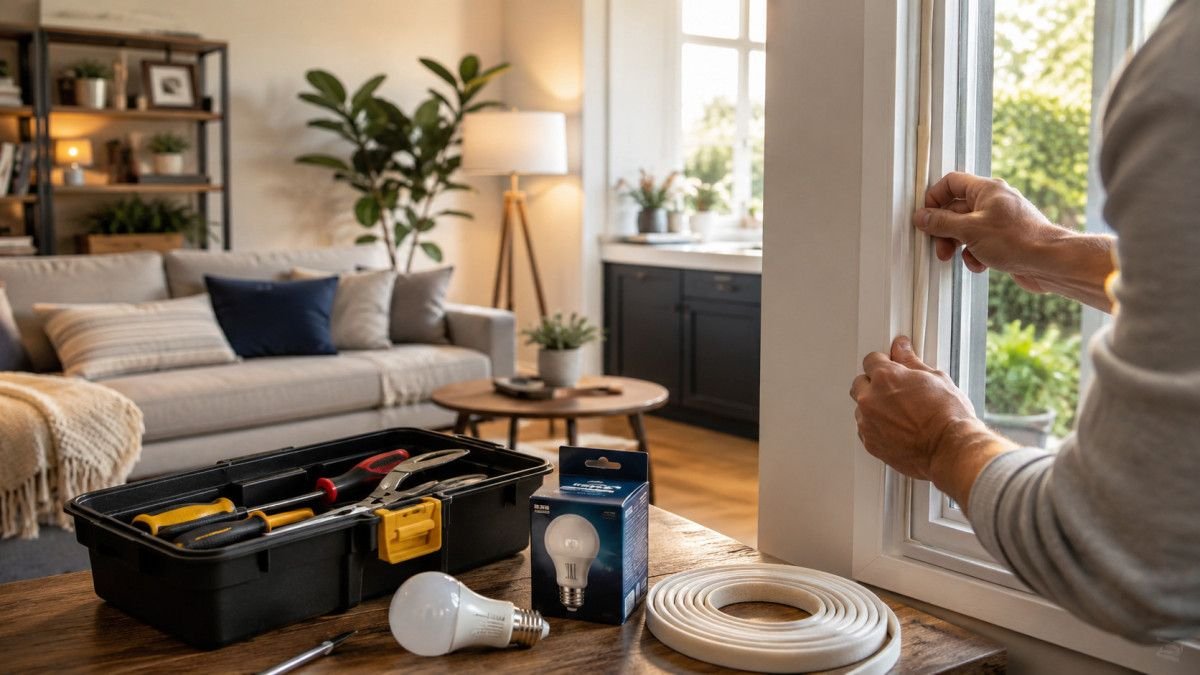
Windows and exterior doors are the second most common source of air leaks in most homes. Weatherstripping around doors costs $10 to $30 per door and takes 15 minutes to install. Caulking around window frames costs $5 to $15 per window. These simple fixes stop drafts immediately and pay for themselves within one heating season.
Electrical outlets and light switches on exterior walls are a frequently overlooked source of air leaks. Pre-cut foam gaskets that fit behind the cover plates cost $1 to $2 each and stop drafts in seconds. A typical home with 30 exterior wall outlets can be fully sealed for under $50 in materials.
Windows and Doors — Upgrade or Seal
Windows are often the first thing homeowners think of when considering energy efficiency ideas for your home, but they are rarely the best investment. New windows cost $400 to $1,200 each installed and take 10 to 30 years to pay for themselves in energy savings alone.
Before replacing windows, seal the ones you have. Caulking, weatherstripping, and adding storm windows or interior window insulation film are far more cost-effective. Storm windows cost $50 to $200 per window and provide many of the benefits of replacement windows at a fraction of the cost.
If your windows are single-pane, fogged between panes, or damaged beyond repair, replacement is justified. Energy Star certified windows with Low-E coating and double or triple panes reduce heat loss by 30 to 50 percent compared to single-pane windows. The energy savings combined with improved home comfort may justify the investment in extreme climate regions.
| Window upgrade | Cost per window | Energy savings | Payback period
|
| Caulk + weatherstrip | $10u2013$30 | 5u201310% | Less than 1 year |
| Storm window | $50u2013$200 | 10u201320% | 2u20135 years |
| Energy Star replacement | $400u2013$1,200 | 20u201330% | 10u201330 years |
Lighting and Appliances — Low-Hanging Fruit
Lighting accounts for about 10 percent of home electricity use. Switching to LED bulbs is the easiest energy efficiency idea for your home — LED bulbs use 75 to 80 percent less energy than incandescent bulbs and last 10 to 25 times longer.
Replacing the five most-used light bulbs in your home with LEDs saves about $45 per year in electricity costs, according to Energy Star estimates. An LED bulb costs $2 to $5 and pays for itself in energy savings within six months. Replacing all the bulbs in your home costs $50 to $150 and saves $100 to $200 per year indefinitely.
Appliances account for 13 to 15 percent of home energy use. Refrigerators, washing machines, dishwashers, and dryers with the Energy Star label use 10 to 50 percent less energy than standard models. Replacing a refrigerator from 2000 with an Energy Star model saves $100 to $300 per year in electricity.
The refrigerator is the appliance worth replacing first. Refrigerators built before 2000 use two to three times more electricity than modern Energy Star models. A pre-2000 refrigerator costs $150 to $300 per year to run. A new Energy Star refrigerator costs $40 to $80 per year to run. The savings cover the purchase price within three to five years.
Heating and Cooling — The Biggest Energy Users
Heating and cooling account for about 48 percent of home energy use, making them the biggest target for energy efficiency ideas for your home. A programmable or smart thermostat is the most cost-effective upgrade — it costs $30 to $250 and saves 10 to 15 percent on heating and cooling bills.
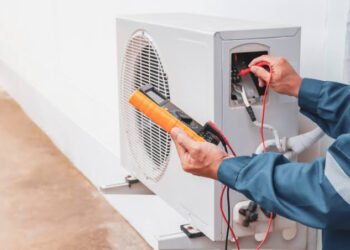
HVAC system maintenance is free or low cost. Replacing furnace filters every three months costs $10 to $30 per filter and improves system efficiency by 5 to 15 percent. A dirty filter makes the system work harder and use more energy. An annual HVAC tune-up by a professional costs $100 to $200 and keeps the system operating at peak efficiency.
Sealing and insulating ductwork in attics and crawl spaces prevents heated and cooled air from escaping before it reaches the rooms. Duct sealing with mastic or foil tape costs $200 to $500 for a typical home. Insulating exposed ducts costs $0.50 to $1.50 per linear foot. Together, these upgrades can improve HVAC system efficiency by 15 to 25 percent.
Replacing an old HVAC system is expensive but provides the largest energy savings. A 20-year-old furnace operates at 60 to 70 percent efficiency. A new Energy Star furnace operates at 95 to 98 percent efficiency. The upgrade costs $3,000 to $6,000 and saves $200 to $500 per year in energy costs. The payback period is 10 to 15 years.
Smart Home Energy Management
Smart home technology offers several energy efficiency ideas for your home that require minimal effort for ongoing savings. Smart thermostats learn your schedule and adjust temperatures automatically. They reduce heating and cooling when you are asleep or away and can be controlled remotely through a smartphone app.
Smart power strips eliminate phantom loads — electricity used by electronics and appliances when they are turned off but still plugged in. Phantom loads account for 5 to 10 percent of residential electricity use. A smart power strip costs $20 to $40 and pays for itself within one to two years.
Home energy monitors track your electricity usage in real time and show you which appliances use the most power. The data helps you identify wasteful habits and equipment. A home energy monitor costs $30 to $100 and provides ongoing awareness that leads to energy savings of 5 to 15 percent.
Programmable timers for water heaters and pool pumps reduce energy use by running these high-consumption devices only during off-peak hours. A water heater timer costs $50 to $100 and saves $50 to $150 per year. Pool pump timers are standard on modern pumps and should be set to run during cooler parts of the day.
Frequently Asked Questions
What is the best energy efficiency upgrade for my home?
Attic insulation is the best upgrade for most homes. It reduces energy costs by 10 to 20 percent and pays for itself within three to five years.
What is the quickest way to reduce my energy bills?
Use LED bulbs and seal air leaks. Both are inexpensive and provide immediate savings on your energy bill.
Do smart thermostats really save money on energy bills?
Smart thermostats save 10 to 15 percent on energy. They adjust temperatures based on your schedule.
Are new energy-efficient windows worth the cost?
New windows need 10 to 30 years to pay back. Seal existing windows first. Replace only if damaged or single-pane.
What is the cheapest way to improve home energy efficiency?
Replace filters, seal drafts, switch to LEDs. These upgrades cost under $100 and save significant energy.
Is a home energy audit worth the cost?
An energy audit costs $300 to $600 and finds key upgrades. Recommendations pay off in one to two years.
What temperature should I set my thermostat for energy savings?
Set thermostat to 68 in winter and 78 in summer. Adjust 7 to 10 degrees when asleep. Each degree saves 1 to 3 percent.
Are there tax credits for home energy efficiency upgrades?
The federal tax credit covers 30 percent of qualifying costs. This includes insulation, windows, doors, and HVAC systems.