Tuesday, August 25, 2026
Mitmunk
  • Home Improvement
  • Finance
  • Lifestyle
  • Business
  • Seo Digital
  • Auto
  • Law
  • Health
  • Other
    • Travel
    • Outdoor
    • Fashion
    • Entertainment
    • Construction
    • Education
    • Tech
    • Pet
    • Real Estate
No Result
View All Result
  • Home Improvement
  • Finance
  • Lifestyle
  • Business
  • Seo Digital
  • Auto
  • Law
  • Health
  • Other
    • Travel
    • Outdoor
    • Fashion
    • Entertainment
    • Construction
    • Education
    • Tech
    • Pet
    • Real Estate
No Result
View All Result
MitMunk
No Result
View All Result
Home Home Improvement
How Do I Service My Wood Heater

How Do I Service My Wood Heater? 4 Critical Steps

Share on FacebookShare on Twitter

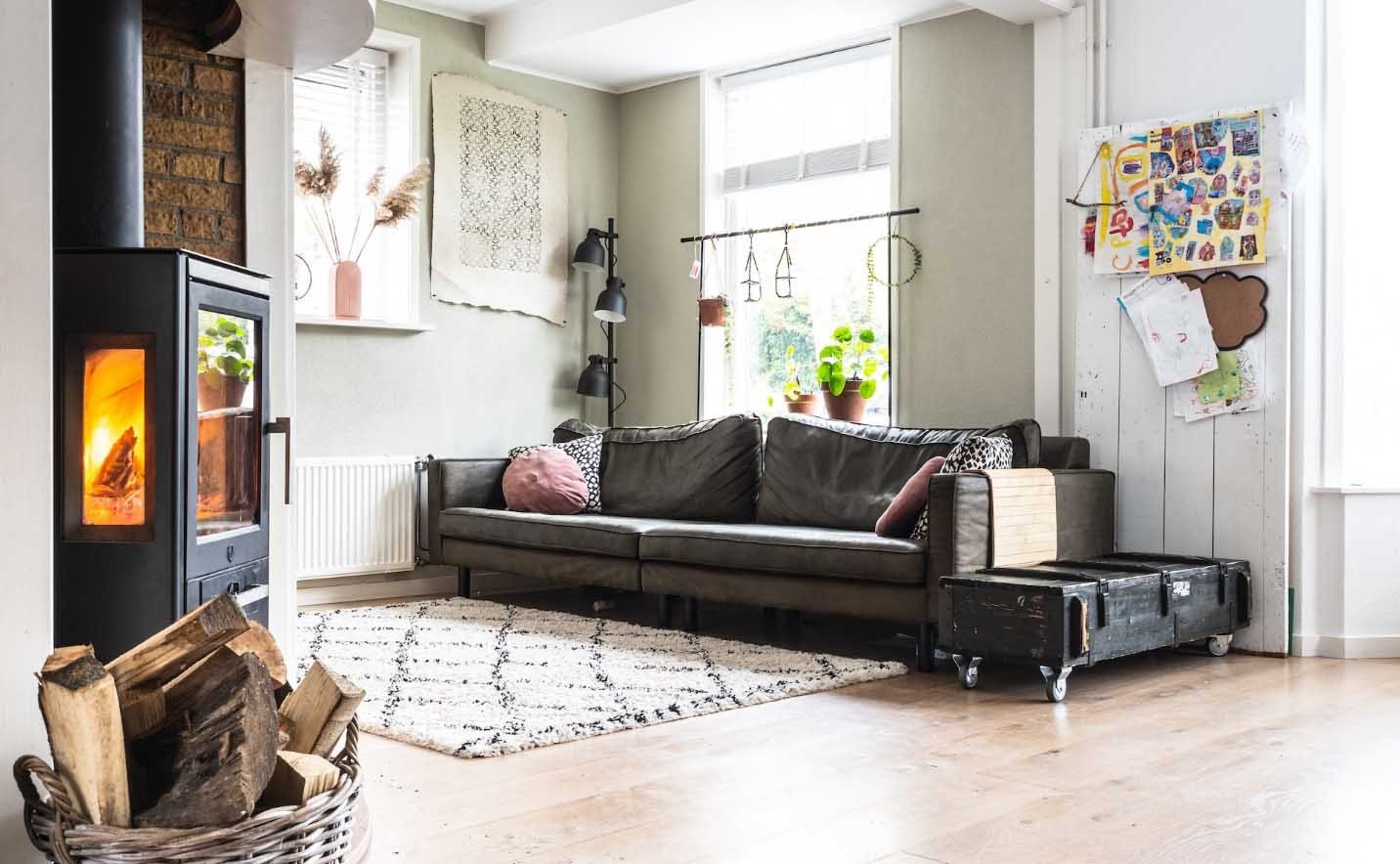
A wood fire heater is a beautiful focal point in most homes, but it also plays a major role. It is where families spend most of their bonding time, especially during cold weather. However, you should regularly service your wood heater to keep this part of the home working efficiently.

Here are steps to help you service your wood fire heaters effectively.

Table of Contents

Toggle
  • 4 Critical Steps on How to Service Wood Fire Heaters
    • What You Will Need
  • Tips to Keep Your Wood Fire Heaters in Perfect Condition
    • Always Use the Right Wood
    • Remove Ashes Frequently
    • Install a Safety Screen
    • Clean the Glass Frequently
    • Maintain a Clean Flue
    • Regular Professional Servicing
  • Conclusion

4 Critical Steps on How to Service Wood Fire Heaters

Although you do not need to service your heater daily, regular cleaning is necessary for optimum functionality. However, consult a professional company once in a while for expert services.

Below are four critical steps to service and clean wood fire heaters to ensure they offer sufficient warmth and comfort.

What You Will Need

  • Water
  • Detergent
  • Scraper Tool
  • Metal Brush
  • Shovel
  • Metal Bucket
  • Dry Cloths

Step 1

Using your metal brush, gently sweep ash from the firebox and surrounding surfaces onto the shovel. Pour it into the metal bucket if hot embers are leftover from a previous fire.

Step 2

Open up the chimney/flue and use the brush to remove any creosote residue stuck on the sides. Since it is flammable, pack it in an airtight garbage bag and dispose of it in the dustbin.

Step 3

Mix warm water and soap, and use the metal brush to wash the glass door. If the dirt refuses to come off easily, use the scraper but gently to avoid damaging the glass. Lastly, wipe it dry with an absorbent cloth.

Step 4

The last step is to ensure the exterior of the wood heater is appealing. Use the same soapy solution and a damp cloth to maintain the glossy appearance.

Tips to Keep Your Wood Fire Heaters in Perfect Condition

Always Use the Right Wood

The best wood for your fire heaters is hardwood, so ensure you always have a good supply available. If you run out, do not attempt to burn trash or treated wood. Trash has lots of soot, and treated wood may emit toxic chemicals.

Softwood also tends to cause damage to the firebox or flue and is highly discouraged. However, before you burn your hardwood, ensure it is dry, as wet wood increases smoke output. In addition, if dry hardwood isn’t easily accessible, find a store that sells kindling in bags for appropriate wood supply.

Remove Ashes Frequently

After several uses, clean the ash residue to keep your wood fire heaters working well and looking as good as new. Ensure the firebox is cool before scraping out dirt. But to be safe, always use metal tools for cleaning.

Proper ash disposal is also mandatory. You risk burning through a plastic bin, so consider spreading it in your garden. If not, let the ash cool down in the metal bucket before disposing it in the rubbish bin.

Install a Safety Screen

For those with small children and pets, a safety screen protects them from the hot wood heater surfaces. Different styles and sizes are available for every kind of wood fire heaters. Choose one that works well while matching your home’s aesthetics.

Clean the Glass Frequently

When your wood heater glass is spotless, it looks newer, and the fire burns brighter. Always wipe it every few days using household detergent and warm water. If there are stains or stubborn soot residue, scrap them with a brush and avoid scratching the glass.

Maintain a Clean Flue

You risk malfunction or accidental fires if you do not properly maintain your flue. Have professionals service it once or twice a year for any major issues. Otherwise, keep it clear of soot build up by brushing the inside when cleaning the heater.

Regular Professional Servicing

Wood fire heaters should ideally be serviced once a year or every 18 months. By so doing, you will keep it in perfect working condition longer. Professional technicians will ensure any damaged or worn-out parts are repaired and replaced.

Conclusion

Service your wood fire heaters any time of the year to avoid the last-minute rush when the weather changes. Expert technicians will do a comprehensive check to ensure all parts work perfectly. After all, you want a reliable source of heat that works well while offering value for your money.


Related Posts

paint-colors-for-living-room-how-to-choose-the-per-1

Paint Colors for Living Room: How to Choose the Perfect Shade for Your Space

by Emily Stevens
August 5, 2026
0

You are standing in the paint aisle with 50 shades of beige in your hand, and they all look the...

why-hvac-maintenance-is-important-save-money-exten-1

Why HVAC Maintenance Is Important: Save Money, Extend Life, and Prevent Breakdowns

by Emily Stevens
July 25, 2026
0

Last winter, your furnace stopped working on the coldest night of the year. The repair technician found a cracked heat...

artificial-grass-cost-material-installation-and-lo-1

Artificial Grass Cost: Material, Installation, and Long-Term Value Compared

by Emily Stevens
July 24, 2026
0

You are tired of spending every Saturday mowing, watering, and weeding the lawn. The water bill keeps going up, and...

POPULAR NEWS

Delores Miller Clark

Delores Miller Clark: Learn More about John List’s Ex-Wife

September 27, 2022
Deserai Anderson Utley Personal Life, Career, & More

Deserai Anderson Utley Personal Life, Career, & More

September 30, 2022
Lisa Seal Frigon

Lisa Seal Frigon: All about Drug Lord Barry Seal’s Daughter

September 18, 2022
Linnell S. Nobori

Linnell S. Nobori: All there is to Know about Ted Bessell’s Wife

September 5, 2022
Gweneth Gonzales Thomas

What You May Not Know About Gweneth Gonzales Thomas, Richard Thomas’ Daughter

August 2, 2022

EDITOR'S PICK

Implications for Tech Talent Acquisition

Evolving Trends in Remote Work: Implications for Tech Talent Acquisition

May 1, 2024
Joanna Rae Banks Morgan

Joanna Rae Banks Morgan – Family and Personal Information.

September 29, 2022
Railroad modeling, also known as model railroading, is a beloved hobby that has been enchanting enthusiasts of all ages for generations. The world of model trains is a captivating realm where creativity, craftsmanship, and imagination come together to recreate the charm and nostalgia of railroads on a smaller scale. From meticulously building miniature landscapes to designing intricate train layouts, the art of creating these trains is a delightful and rewarding experience that allows hobbyists to build their own miniature worlds. The Journey Begins: Choosing Your Scale One of the first and most crucial decisions in model railroading is choosing the scale. These trains come in various scales, representing different proportions of the real-life counterparts. The popular scales include HO, N, O, and G, each offering unique challenges and opportunities for creativity. HO scale, being the most common, provides a good balance between detail and space, making it a popular choice for beginners and seasoned modelers alike. On the other hand, N scale offers more intricate layouts for those with limited space, while O and G scales are perfect for those who prefer large, grand layouts. Crafting the Landscape: Building Scenery Creating an immersive and realistic landscape is an essential aspect of model railroading. Hobbyists meticulously design and construct miniature worlds, complete with mountains, valleys, rivers, and towns. The process involves using a combination of materials, such as foam, plaster, and scenic textures, to sculpt the terrain. Trees, foliage, rocks, and other scenery elements are carefully placed to bring the model train layout to life. The art of crafting scenery allows modelers to unleash their creativity and transport themselves and their viewers to a mesmerizing world of imagination. The Iron Horses: Assembling Model Trains At the heart of model railroading are the model trains themselves. Building and assembling the trains require attention to detail and a passion for precision. Modelers can choose from a vast array of locomotives, freight cars, and passenger cars, representing various eras and railroad companies. Some enthusiasts even enjoy scratch-building or kit-bashing, which involves modifying existing models or creating unique locomotives and rolling stock from scratch. The joy of seeing the trains come to life on the tracks adds an extra layer of fulfillment to the hobby. A World in Motion: Laying the Tracks Laying tracks is a pivotal part of model railroading, and it requires careful planning and execution. The tracks are the lifeline of the miniature railroad, determining the flow and operation of the model trains. Modelers carefully lay the tracks, ensuring smooth curves, switches, and turnouts for seamless train movement. The wiring and control systems are also meticulously set up to allow multiple trains to run simultaneously. The satisfaction of seeing the trains glide effortlessly along the tracks is a rewarding experience for any model railroader. Bringing Realism to Life: Weathering and Detailing To achieve authenticity and realism, modelers often weather and detail their trains and scenery. Weathering involves adding wear and tear to the trains, making them look like their real-life counterparts that have endured the elements of time and travel. Modelers use various techniques like airbrushing, weathering powders, and paint to achieve the desired effect. Additionally, detailing the scenery with miniature figures, vehicles, and buildings adds depth and character to the model train layout, making it even more engaging for viewers. Creating a Narrative: Storytelling with Model Trains Model railroading goes beyond assembling trains and scenery; it allows modelers to create captivating narratives within their layouts. Hobbyists often design scenes that depict specific eras, locations, or historic events, effectively telling stories through their miniature worlds. From recreating a bustling cityscape from the 1950s to depicting a peaceful countryside scene from the 19th century, model trains offer a canvas for storytelling that sparks curiosity and fascination in viewers of all ages. Conclusion The art of railroad modeling, with its meticulous attention to detail and boundless creativity, allows enthusiasts to build their miniature universes filled with the charm of trains and the allure of the railroad era. From choosing the scale to crafting the landscape and assembling the model trains, every aspect of model railroading is a testament to the passion and dedication of its practitioners. As model trains come to life on carefully laid tracks, they evoke a sense of nostalgia and wonder, taking both the modeler and the viewer on an enchanting journey through a world of precision, craftsmanship, and imagination.

The Art of Railroad Modeling: Creating Model Trains

August 5, 2023
5-Must-Have-Gadgets-for-Fun-to-Upgrade-Your-Living-Experience

5 Must-Have Gadgets for Fun to Upgrade Your Living Experience

June 16, 2026
Contact Us: Info@mitmunk.com

© 2022 Mitmunk Theme Copyright

No Result
View All Result
  • Homepages
    • Home Page 1
  • Business
  • Entertainment
  • Fashion
  • Health
  • Lifestyle
  • Tech
  • Travel

© 2022 Mitmunk Theme Copyright