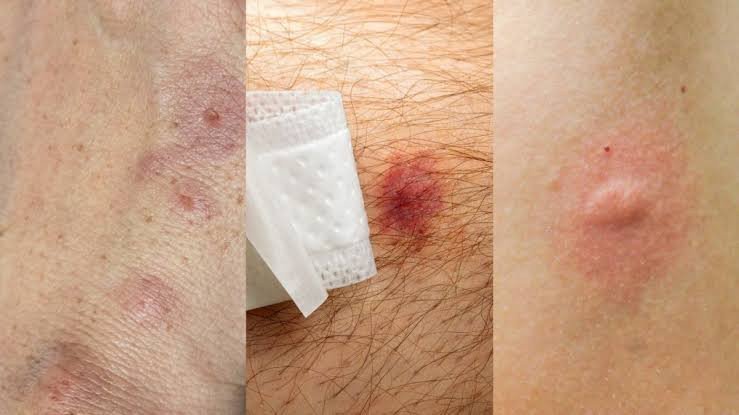
You woke up this morning with several itchy red bumps on your arm after sleeping. The bedroom windows were open last night, and you also traveled for work and stayed at a hotel last week. You are not sure whether mosquitoes or bed bugs are responsible for the bites on your body. The two insects are completely different, and the way you handle each one depends on correct identification. Treating your home for bed bugs when the culprit is actually mosquitoes wastes time and money—and money on the wrong treatment approach.
Mosquitoes are flying insects from the family Culicidae that feed on plant nectar and blood (Wikipedia). Bed bugs are insects from the genus Cimex that feed exclusively on blood. The differences between mosquitoes vs bed bugs include their appearance, where they live, when they bite, the bite patterns they leave, and the health risks they carry.
The differences between mosquitoes vs bed bugs span appearance, bite patterns, habitats, health risks, and correct control methods for each pest.—appearance, bite patterns, habitats, health risks, and control methods for both.
Mosquitoes vs Bed Bugs — Physical Differences
Mosquitoes and bed bugs look nothing alike. A mosquito has wings, long legs, and a narrow body. A bed bug is wingless, oval-shaped, and flat. The table below summarizes the key physical differences.
| Feature | Mosquito | Bed bug
|
| Wings | Yes, can fly | No, cannot fly |
| Legs | Long, thin | Short, six legs |
| Body shape | Narrow, elongated | Flat, oval |
| Color | Gray to brown | Brownish-red |
| Size | 3 to 9 mm | 1 to 7 mm |
| Time of activity | Dawn, dusk, night | Night |
| Flight | Flies and hovers | Crawls only |
Mosquitoes are flying insects that are most active during dawn and dusk periods when the air is calm. They produce a distinctive high-pitched whining sound when flying near your ears. Female mosquitoes need to feed on blood to produce eggs for reproduction. Males feed only on plant nectar. Mosquitoes are attracted to carbon dioxide from breathing, body heat, and certain body odors on the skin.
Bed bugs are small wingless insects that crawl slowly across surfaces at night. They have flat oval-shaped bodies that allow them to hide in narrow mattress seams and furniture cracks. Bed bugs feed exclusively on human blood and are most active during the night hours when their hosts are in bed sleeping. They are not attracted to carbon dioxide or body heat from a distance like mosquitoes are—they find hosts by sensing body heat and carbon dioxide up close.
Bite Patterns — How to Tell What Bit You
The bite patterns of mosquitoes and bed bugs are different. The location of the bites and how they are arranged on the skin provide important clues.
Mosquito bites are usually solitary and random. They appear as raised, red bumps that itch almost immediately. The bite has a small puncture point in the center. Mosquitoes can bite any exposed skin area but are most likely to bite arms, legs, and other uncovered body parts. A single mosquito can bite a person multiple times in several different locations on the body.
Bed bug bites often appear in a line or cluster. They are raised, red bumps that may not itch immediately—some people do not react to bed bug bites for several days. Bed bugs typically bite exposed skin while the person is asleep—the face, neck, arms, hands, and shoulders. The bites are often arranged in a zigzag or line pattern.
The timing of itching is a key difference. Mosquito bites start itching within minutes of being bitten. Bed bug bites may take anywhere from one to five days to show visible symptoms on your skin. If you woke up with itchy bumps that appeared overnight, mosquitoes are more likely the cause. If bumps appear a day or two after staying in a hotel or buying used furniture or buying used furniture, bed bugs are more likely.
Where They Live and Breed
Mosquitoes and bed bugs live in completely different environments. Understanding where each insect lives helps with both identification and control.
Mosquitoes breed outdoors in standing water. A single female mosquito lays her eggs on the surface of stagnant water in garden ponds or, bird baths, clogged gutters, flower pot saucers, and any container that holds water for more than a few days in the yard. The mosquito larvae and pupae develop in the water for one to two weeks before becoming adults. Adult mosquitoes rest during the daytime in tall grass, shrubs, and other shaded areas around the yard.
Mosquitoes enter homes through open windows and doors during the evening hours. They are strongly attracted to indoor light and the carbon dioxide exhaled by humans and pets inside. Once they get inside a home, mosquitoes rest on walls, ceilings, and in dark corners until they are ready to feed on blood.
Bed bugs live indoors in and around sleeping areas where people rest at night. Their primary habitat is the bed—mattress seams, box springs, bed frames, and headboards. They also hide in furniture, behind baseboards, inside electrical outlets, and in any crack or crevice located near a sleeping area. Bed bugs are commonly transported between locations in luggage, clothing, and second-hand furniture.
Health Risks — Mosquitoes vs Bed Bugs
The health risks from mosquitoes and bed bugs are very different. Mosquitoes are disease vectors that transmit pathogens. Bed bugs are not known to transmit diseases but can cause allergic reactions and secondary infections.
Mosquitoes are considered the deadliest animals in the world due to the serious diseases they are able to transmit to humans. Mosquito-borne diseases include malaria, dengue fever, West Nile virus, Zika virus, and chikungunya. These mosquito-borne diseases cause millions of deaths throughout the world each year. In the United States, West Nile virus is the most common mosquito-borne disease. The risk of contracting a mosquito-borne disease depends on your geographic location and the time of year and the species of mosquito in your area.
Bed bugs are not known to transmit diseases to humans. The main health concern with bed bugs is the intensely itchy bites that they leave behind, which can lead to secondary skin infections from scratching. Some people experience strong allergic reactions to the proteins in bed bug saliva that cause large, painful welts. The psychological impact of living with a bed bug infestation in your home—anxiety, insomnia, and stress—is often more significant than the physical symptoms.
How to Get Rid of Mosquitoes and Bed Bugs
The control methods for mosquitoes vs bed bugs are completely different. Using the wrong approach wastes time and money.
Controlling mosquitoes around your home focuses on eliminating breeding sites and reducing adult mosquito populations near the house. Eliminate all standing water around your home by emptying bird baths weekly, cleaning gutters, draining flower pot saucers, and removing any containers that hold water for mosquitoes to breed. Use mosquito dunks containing Bti bacteria in ponds and rain barrels to kill developing larvae. Install or repair window screens to keep mosquitoes from entering your home. Use EPA-registered insect repellents that contain DEET, picaridin, or oil of lemon eucalyptus when spending time outdoors in mosquito areas. Outdoor mosquito control with yard sprays and foggers provides temporary relief for outdoor areas.
Getting rid of bed bugs requires a comprehensive indoor approach that targets all areas of the home. All bedding, linens, and clothing must be washed in hot water and dried on the highest heat setting available. Mattresses and box springs need to be encased in special bed bug-proof covers after treatment. Infested items are bagged and sealed before disposal. Pesticide treatment by a licensed pest control professional is usually required for complete elimination—sprays, dusts, and steam treatments target the cracks and crevices where bed bugs hide. Heat treatment involves raising the room temperature to 120 degrees Fahrenheit for several hours for several hours and kills all life stages.
A pest control specialist with 18 years of experience explained: “I see people all the time who treat their house for bed bugs when the real problem is mosquitoes coming in through a torn screen. Look at the bites first, then find the insect — the treatment is completely different for each one.”
Frequently Asked Questions
How can I tell if bites are from mosquitoes or bed bugs?
Mosquito bites are solitary, random, and itch immediately. Bed bug bites are in lines or clusters and may take days to itch. Mosquito bites appear within minutes. Bed bug bites appear one to five days later.
Do bed bugs carry diseases like mosquitoes?
No, bed bugs are not known to transmit diseases. Mosquitoes transmit serious diseases like malaria, dengue, and West Nile virus. Bed bug bites cause itching and secondary infections from scratching.
Are mosquitoes and bed bugs found in the same places?
No. Mosquitoes breed outdoors in standing water and enter homes through open windows. Bed bugs live indoors in beds and furniture. You will not find mosquitoes breeding in your bed or bed bugs in standing water.
Can bed bugs fly like mosquitoes?
No, bed bugs cannot fly or jump. They crawl slowly. Mosquitoes are flying insects with wings. The ability to fly is a clear way to tell them apart—if it flies, it is not a bed bug.
What do mosquito bites look like compared to bed bug bites?
Mosquito bites are pink bumps with a puncture point. Bed bug bites are red welts in lines or clusters. The patterns are different enough to tell them apart.
Can you be allergic to mosquito or bed bug bites?
Yes, both can cause allergic reactions. Mosquito bites can cause large, swollen welts in sensitive individuals. Bed bug saliva causes a stronger allergic reaction in some people, resulting in painful welts that last longer.
How do I prevent mosquito and bed bug bites?
Use insect repellent for mosquitoes. Install window screens and remove standing water. For bed bugs, inspect hotel rooms, wash travel clothes in hot water, and avoid bringing used furniture indoors without inspecting it thoroughly first.
Is the treatment for mosquitoes the same as for bed bugs?
No, the treatments are completely different. Mosquitoes require outdoor breeding site reduction and repellents. Bed bugs require indoor pesticide treatment, heat treatment, and washing of bedding and clothing. Using the wrong treatment will not solve either problem.