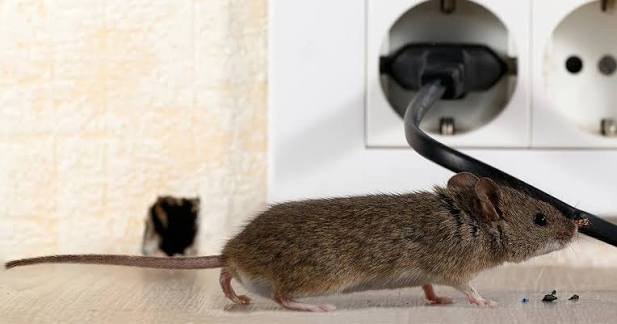
You were lying in bed last night when you heard it — a scratching sound inside the wall near the corner of the room. Then another sound from the attic. In the morning, you found small droppings in the back of the kitchen cabinet. Mice or rats have moved into your home, and they breed so fast that a small problem becomes a large infestation within weeks.
Rodents are mammals from the order Rodentia that include mice, rats, and other gnawing animals. They enter homes looking for food, water, and shelter, and they can cause structural damage, contaminate food stores, and spread disease. The rodents how to get rid of method that works best depends on the severity of the infestation and whether you are dealing with mice or rats.
Rodents how to get rid of involves snap traps, bait stations, sealing entry points, and prevention. Here is how each method works and which approach is best for your situation.
Signs of a Rodent Infestation
Before choosing a removal method, confirm that rodents are present and identify whether they are mice or rats. The signs of each are different, and the treatment approach varies.
Mouse droppings are small, about the size of a grain of rice, with pointed ends. Rat droppings are larger — up to half an inch long — with blunt ends. Mice leave about 50 to 80 droppings per day. Rats leave about 20 to 50. Fresh droppings are dark and moist. Old droppings are gray and crumbly.
Gnaw marks are another sign. Mice leave clean gnaw marks about 1/8 inch wide. Rats leave rougher gnaw marks about 1/4 inch wide. Fresh gnaw marks are light-colored. Old marks are dark. Check baseboards, cabinet edges, and food packaging for gnaw marks.
Sounds are a common early sign. Scratching, scurrying, and squeaking sounds in walls, ceilings, and attics are most noticeable at night when rodents are active. Thumping sounds may indicate larger rats moving through the attic space.
Nests and runways provide evidence. Mice build nests from shredded paper, fabric, and insulation in hidden areas. Rats build similar nests but larger. Runways — dark, greasy marks along walls and baseboards — are created by rodents traveling the same path repeatedly and leaving oil from their fur.
Snap Traps — The Most Effective Method
Snap traps are the most effective method for eliminating rodents. They kill instantly, are inexpensive, and allow you to confirm that the rodent is dead and remove the body. Traps cost $1 to $3 each and can be reused.
Use the right size trap. Mouse traps are smaller and have a lighter trigger. Rat traps are larger and have a heavier spring. Using a mouse trap for a rat will not work — the rat is too large for the trap to kill, and it may escape with the trap attached.
Place traps along walls where rodents travel. Rodents prefer to run along walls and edges rather than crossing open spaces. Place traps perpendicular to the wall with the trigger end against the wall. Space traps every 6 to 10 feet along walls in areas where you have seen droppings or gnaw marks.
Bait the traps with the right food. Peanut butter is the most effective bait for both mice and rats. Other good options include bacon, dried fruit, and chocolate. Use a small amount — a pea-sized dab of peanut butter is enough. Too much bait allows the rodent to eat without triggering the trap.
Check traps daily and remove dead rodents promptly. Wear gloves when handling traps and dead rodents. Dispose of the body in a sealed plastic bag. Reset the trap and continue until no new rodents are caught for at least one week.
| Method | Effectiveness | Cost | Safety
|
| Snap trap | High | $1u2013$3 each | Safe with proper placement |
| Bait station | High | $10u2013$30 each | Tamper-resistant |
| Electronic trap | Medium | $30u2013$60 each | Safe for pets |
| Glue trap | Low | $1u2013$3 each | Inhumane, not recommended |
Bait Stations and Poison Baits
Bait stations containing rodenticide are effective for large infestations and for areas where snap traps are impractical. The rodent enters the station, eats the poison bait, and dies one to seven days later. Bait stations are tamper-resistant and designed to prevent children and pets from accessing the poison.
Place bait stations along walls in areas of rodent activity. Check them weekly and refill as needed. The bait must be consumed for the rodent to die. If the bait is not eaten within a week, move the station to a different location. Rodents are cautious about new objects in their environment — it may take several days for them to approach a new bait station.
The main disadvantage of poison baits is that rodents may die in inaccessible areas like inside walls or in the attic. The decomposing body creates a strong odor that lasts one to three weeks until the body dries out. The odor is unpleasant but not harmful. In some cases, the odor attracts flies and beetles.
Rodenticides are classified as anticoagulants or non-anticoagulants. Anticoagulants cause internal bleeding and death over several days. Non-anticoagulants cause other fatal effects more quickly. Both types are effective. Use only commercial bait stations designed for rodenticides — do not place loose bait where pets or children can access it.
Electronic and Glue Traps
Electronic traps deliver a high-voltage shock that kills rodents instantly. They are cleaner than snap traps because the body is contained inside the trap. Electronic traps cost $30 to $60 each and run on batteries. They are effective for mice but less effective for larger rats. The trap must be cleaned after each kill to maintain effectiveness.
Glue traps are not recommended for rodent control. They catch rodents on a sticky surface where they die slowly from dehydration or stress. Glue traps are considered inhumane by many pest control professionals. They also catch non-target animals like lizards, birds, and small pets. If you choose to use glue traps, check them frequently and humanely euthanize any trapped animals.
Ultrasonic repellent devices are advertised as a rodent control solution but do not work. Studies have shown that rodents quickly become accustomed to the sound and ignore it. Ultrasonic devices may temporarily disturb rodents but will not eliminate an infestation. Do not rely on them as a primary control method.
Sealing Entry Points
Sealing entry points is essential for rodents how to get rid of permanently. Without sealing, new rodents will enter as soon as the existing ones are eliminated. A mouse can fit through a hole the size of a dime — about 1/4 inch. A rat can fit through a hole the size of a quarter — about 1/2 inch.
Inspect the exterior of your home thoroughly. Common entry points include gaps around pipes entering the foundation or walls, spaces under exterior doors, openings around utility lines and cable TV wires, gaps where the foundation meets the siding, vents in the attic and crawl space, and roof edges where soffits meet the roofline.
Seal holes with steel wool or copper mesh combined with caulk or expandable foam. Rodents can gnaw through caulk and foam alone, but they cannot gnaw through steel wool or copper mesh. Stuff the mesh into the hole and seal it with caulk or foam to hold it in place. For larger holes, use galvanized hardware cloth with 1/4-inch mesh.
A pest control specialist with 18 years of experience explained: “The biggest mistake homeowners make when dealing with rodents is putting out traps without sealing the house. You have to combine trapping with exclusion — find every hole, seal it, and then trap the ones already inside.”
Prevention and Long-Term Control
Preventing rodents from entering your home is more effective and less expensive than eliminating an established infestation. A few simple habits reduce the risk of rodent problems.
Store food in rodent-proof containers. Mice and rats can chew through cardboard boxes, plastic bags, and thin plastic containers. Store dry goods in glass or thick plastic containers with tight lids. Keep pet food in sealed containers and do not leave pet food out overnight.
Eliminate water sources. Fix leaky faucets and pipes. Remove standing water in sinks and trays. Keep gutters clean and directed away from the foundation. Rodents can survive longer without food than without water, so eliminating water sources makes your home less attractive to them.
Keep vegetation away from the house. Trim tree branches that touch the house — rodents use branches as bridges to reach the roof and attic. Keep shrubs and bushes trimmed back from the foundation. Remove piles of wood, debris, and leaf litter near the house that provide nesting sites for rodents.
Maintain the exterior of the home. Repair damaged siding and roof shingles. Install door sweeps on all exterior doors. Cover attic and crawl space vents with 1/4-inch hardware cloth. Keep garage doors closed, especially at night. These steps reduce the opportunities for rodents to enter.
Frequently Asked Questions
What is the quickest way to get rid of rodents?
Snap traps are the quickest method. They kill instantly when set correctly. Place them along walls with peanut butter bait and check daily. Bait stations work but take longer to kill.
How can I tell if I have mice or rats?
Mouse droppings are rice-sized with pointed ends. Rat droppings are larger with blunt ends. Mice leave 50 to 80 droppings per day. Rats leave 20 to 50. Rats also leave larger gnaw marks.
Do ultrasonic pest repellers work for rodents?
No, ultrasonic repellers are not effective. Rodents become accustomed to the sound. They may temporarily disturb rodents but will not eliminate an infestation.
What attracts rodents to a home?
Food, water, and shelter attract rodents. Open food containers, pet food left out, leaky pipes, clutter, and gaps in the foundation or exterior walls all make a home attractive to mice and rats.
What is the best bait for mouse and rat traps?
Peanut butter is the most effective bait. Other options include bacon, dried fruit, and chocolate. Use a pea-sized amount of bait on the trap trigger.
How long does the smell of a dead rodent last?
A rodent that died in a wall smells for one to three weeks. The odor stops when the body dries out. Air fresheners help during the drying period.
How small of a hole can a mouse fit through?
A mouse needs only a 1/4-inch hole to enter. A rat needs only 1/2 inch. Seal all holes with steel wool or copper mesh to prevent rodent entry.
How much does professional rodent extermination cost?
Professional rodent control costs $150 to $500. Price depends on infestation severity. Most services include follow-up visits.