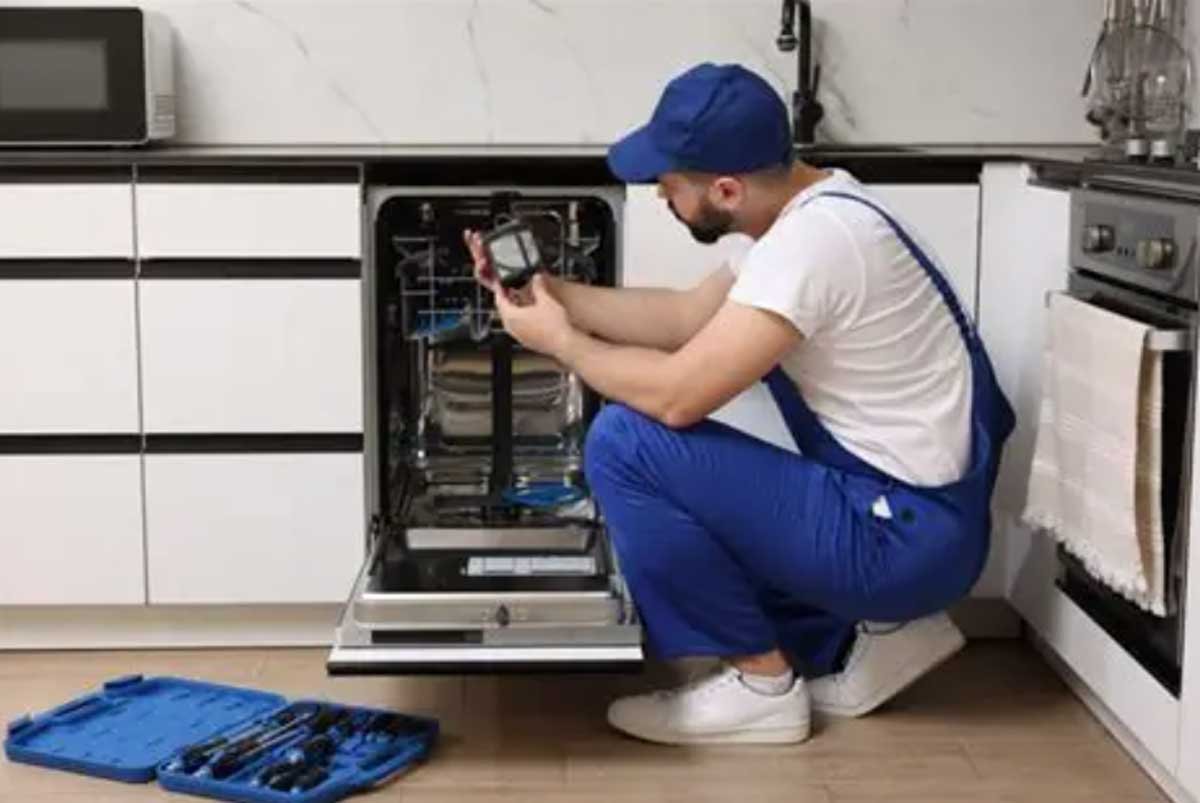
Kitchen appliances are significant financial investments that form the beating heart of any modern home. When your refrigerator, oven, or dishwasher breaks down, it disrupts your daily routine and often leads to expensive repair bills or outright replacements. Fortunately, adopting a proactive approach to appliance care can add years to their functional lifespans. Regular upkeep not only protects your wallet by delaying the need for new purchases but also ensures your kitchen remains a safe, energy-efficient, and hygienic environment for preparing family meals. Whether you are living in a brand new build or an older property, a little preventative maintenance goes an incredibly long way in preserving your everyday conveniences.
The Hidden Dangers of Greasy Ovens and Stovetops
Ovens and stovetops take a massive amount of punishment from daily roasting, grilling, and baking. Over time, grease, cooking oil, and food remnants bake onto the interior walls, glass doors, and heating elements. This stubborn carbon buildup forces your appliance to work much harder to reach the desired temperature, which wastes electricity and frequently creates uneven cooking results. More importantly, excess grease is a severe household hazard that many people overlook when cleaning their homes. Authorities like the National Fire Protection Association frequently warn that many preventable residential fires start in the kitchen due to unsafe cooking practices and built-up grime igniting under high heat. Keeping your cooking elements pristine is a critical, life-saving safety measure that should never be ignored.
Because removing hardened carbon requires intensive scrubbing and highly specific cleaning agents, it can be a daunting chore for busy homeowners. Instead of risking damage to sensitive interior heat sensors with harsh supermarket chemicals, many people find that scheduling professional oven cleaning Brisbane locals trust is the most effective way to safely degrease their appliance. A thorough, professional detail restores the oven to peak working condition while significantly reducing household fire risks and eliminating lingering smoke odours. It also ensures that your food tastes exactly as it should, without any unpleasant burnt aftertastes from old residue.
Maximising Efficiency in Fridges and Freezers
Your refrigerator is one of the very few household appliances that runs constantly, meaning any drop in its operational efficiency directly impacts your monthly energy bills. A few simple maintenance steps can keep the compressor from overworking and prevent unexpected food spoilage. If you find yourself asking does your home needs repairs, checking on the performance of major household appliances is an excellent place to begin. Catching minor inefficiencies early can save you from a major breakdown in the middle of a hot summer week. For persistent faults, appliance repairs Melbourne can restore performance before minor issues become expensive replacements.
Make sure to add these straightforward tasks to your seasonal home maintenance checklist:
- Vacuum the condenser coils: Dust, lint, and pet hair accumulate on the coils located at the back or beneath the fridge. Cleaning them twice a year with a vacuum brush attachment helps the appliance release heat efficiently.
- Inspect the door seals: A loose or cracked rubber gasket allows precious cold air to escape. Test the seal by closing the door on a piece of paper. If the paper slips out easily without resistance, the seal is likely failing and needs replacing.
- Defrost the freezer: If your specific model requires manual defrosting, do not let the frost build up more than half a centimetre. Thick ice buildup restricts internal airflow and forces the motor into overdrive.
- Change the water filter: If your fridge has a built-in ice maker or water dispenser, replace the filter every six months to prevent mineral clogs and keep your water tasting fresh.
Descaling and Filter Care for Water Appliances
Appliance hooked up directly to your home plumbing system face a unique set of challenges, primarily due to mineral deposits and hard water scale. Dishwashers, coffee machines, and water filtration systems need regular attention to prevent stubborn clogs and internal appliance corrosion. For example, your dishwasher filter needs to be removed and emptied of food particles weekly to prevent foul odours and drainage issues. Running an empty cycle with a cup of white vinegar once a month will also help break down lingering soap scum and hard water stains, keeping the interior looking and smelling fresh. Ignoring these simple steps can lead to poor washing performance and spotty glassware.
This strict maintenance rule applies to standalone beverage systems as well. Whether you are using a standard electric kettle or upgrading your kitchen setup, keeping an eye on internal water components is absolutely essential. If you decide to install a dedicated hot and cold water dispenser in your home, you must stick to routine maintenance like descaling the internal tanks and changing the water filters every few months. Flushing out mineral buildup stops mechanical blockages, maintains water pressure, and ensures your drinking water remains completely safe for daily consumption.
A well-maintained kitchen does not have to be a stressful or time-consuming ordeal. By tackling small, manageable cleaning tasks regularly and knowing exactly when to call in the experts for heavy-duty jobs, you can keep your kitchen running smoothly for years to come. Preventative care protects your expensive investments, minimises unexpected disruptions, and gives you total peace of mind while cooking for your family. Ultimately, treating your appliances with care is one of the simplest and most rewarding aspects of responsible homeownership.