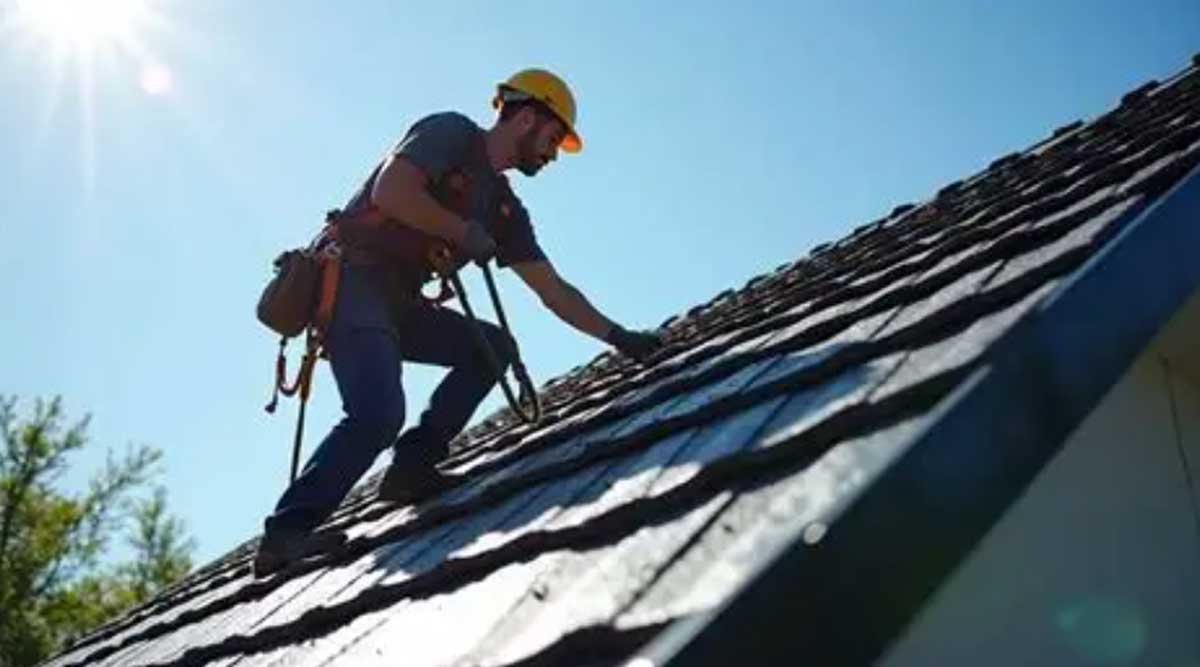
Roofing has never been a low-risk trade, but steep-slope work introduces a completely different set of challenges compared to low-slope or flat roof applications. Every movement requires greater attention. Foot placement matters more. Material handling becomes more difficult. Even simple tasks like carrying tools or repositioning equipment can increase the risk of falls.
According to OSHA, falls remain one of the leading causes of serious injuries and fatalities in construction. Roofing work consistently ranks among the occupations with the highest exposure to fall hazards because workers often operate near unprotected edges, navigate changing roof conditions, and perform physically demanding tasks at elevation.
Steep-slope roofing amplifies those risks. Whether crews are working on residential roofs, churches, schools, multifamily properties, or commercial buildings with pitched roof systems, proper planning and the right fall protection equipment and strategy are critical to maintaining safety throughout the project.
The following safety tips can help roofing professionals improve hazard awareness, maintain control on steep surfaces, and reduce exposure to fall-related incidents.
Start with a Thorough Roof Assessment
Before anyone steps onto a roof, the work area should be evaluated carefully. Many roofing incidents occur because crews underestimate the conditions they will encounter. A roof that appears manageable from the ground can present unexpected hazards once work begins.
This is also the right time to confirm how OSHA fall protection requirements apply to the specific roof height, pitch, access points, and work methods involved.
During pre-job planning, evaluate:
- Roof pitch and overall geometry
- Roof height and edge exposure
- Surface conditions
- Weather forecasts
- Access and egress points
- Anchor locations
- Skylights, vents, and roof openings
- Material staging areas
- Potential swing-fall hazards
The steeper the roof, the more important planning becomes. Crews should understand exactly where they will move, where they will tie off, and how materials will be transported before work begins. A few minutes of planning can prevent dangerous improvisation once workers are on the roof.
Inspect All Fall Protection Equipment Before Use
Fall protection systems are only effective when every component is functioning properly. Before starting work, inspect all fall protection equipment for signs of wear, damage, contamination, or improper use. Equipment exposed to UV radiation, moisture, chemicals, abrasion, or previous loading events may no longer provide the protection it was designed to deliver.
Inspect:
- Webbing
- Stitching
- D-rings
- Connectors
- Energy absorbers
- Lifelines
- Anchorage connectors
- Labels and identification markings
Equipment should always be removed from service if damage is identified or if inspection requirements cannot be verified. Regular inspections help ensure that equipment performs as intended when workers need it most.
Choose the Right Fall Protection Harness
A properly fitted fall protection harness is one of the most important components of a roofing safety system.
Steep-slope roofing often requires workers to climb, kneel, crouch, and reposition themselves repeatedly throughout the day. An improperly adjusted harness can restrict movement, create discomfort, and encourage unsafe practices.
When selecting a harness, consider:
- Proper sizing
- Worker mobility requirements
- Tool-carrying needs
- Padding and comfort features
- Duration of use
- Compatibility with other system components
Workers should perform a fit check before beginning work. Shoulder straps, chest straps, leg straps, and sub-pelvic supports should be adjusted according to manufacturer instructions.
A well-fitting harness not only improves comfort but also helps distribute forces more effectively in the event of a fall.
Understand Anchor Placement Before Work Begins
Anchor selection and placement play a major role in roofing safety. Even the best personal fall arrest system can be compromised if workers tie off to an unsuitable anchor point or position themselves in a way that creates unnecessary hazards.
Anchor planning should account for:
- Roof geometry
- Worker movement patterns
- Fall clearance requirements
- Swing-fall exposure
- Structural capacity
Whenever possible, anchors should be positioned to minimize lateral movement and reduce the risk of pendulum effects during a fall event. Workers should know where approved anchors are located before beginning work and understand how those anchors support safe movement across the roof surface.
Self-Retracting Lifelines Can Improve Mobility in Many Roofing Applications
A high-quality self-retracting lifeline can provide significant advantages for steep-slope roofing applications.
Traditional fixed-length lanyards can create excess slack, increase tripping hazards, and limit worker movement. In contrast, self-retracting systems automatically extend and retract as workers move, helping maintain more consistent tension throughout the work area.
Benefits may include:
- Improved mobility
- Reduced slack
- Enhanced worker positioning
- Lower trip hazards
- Faster fall arrest response
When selecting a self-retracting lifeline, crews should ensure that the device is appropriate for the work environment, roof configuration, and anticipated fall hazards. Proper training remains essential. Workers should understand how the device functions, how to inspect it, and how to maintain proper tie-off practices throughout the workday.
Maintain Three Points of Contact Whenever Possible
Roofers often focus on productivity, but maintaining balance should never become secondary to speed. Whenever workers are transitioning across a roof, climbing ladders, or repositioning materials, maintaining three points of contact can significantly improve stability.
This generally means keeping:
- Two feet and one hand in contact with a surface, or
- Two hands and one foot in contact with a surface
Three-point contact helps reduce slips and provides greater control during movement. While certain roofing tasks require both hands, workers should return to stable positioning whenever possible before shifting locations or handling equipment.
Watch for Changing Surface Conditions
Roof surfaces rarely remain consistent throughout a project. Conditions can change rapidly due to:
- Morning dew
- Rain
- Frost
- Dust
- Loose granules
- Debris
- Material packaging
- Sawdust
- Adhesives
Even small amounts of contamination can dramatically reduce traction. Crews should continuously evaluate walking surfaces and remove unnecessary debris as work progresses. Housekeeping may not seem like a major safety concern, but cluttered work areas frequently contribute to slips, trips, and falls.
When weather conditions deteriorate, supervisors should reassess whether work can continue safely.
Control Material Handling on Sloped Roofs
Moving roofing materials on steep surfaces creates unique challenges. Bundles of shingles, underlayment rolls, tools, and fasteners can shift unexpectedly if they are not properly secured. Even relatively small items can become dangerous when they begin sliding down a pitched roof.
Material management strategies should include:
- Securing staged materials
- Limiting unnecessary clutter
- Establishing designated storage zones
- Using mechanical lifting equipment when appropriate
- Maintaining clear access paths
Workers should avoid carrying loads that obstruct visibility or compromise balance.
If a task requires excessive reaching, twisting, or awkward positioning, the work method should be reevaluated.
Pay Attention to Ladder Safety
Many roofing incidents occur before workers even reach the roof. Ladders remain one of the most common access methods for roofing projects, making proper setup essential.
Safe ladder practices include:
- Inspecting ladders before use
- Using stable footing
- Extending ladders above the landing surface
- Securing ladders against movement
- Maintaining three points of contact during climbing
Workers should never carry heavy materials while ascending or descending a ladder. Access points should remain clear throughout the project to prevent congestion and reduce fall exposure.
Communicate Constantly Across the Crew
Steep-slope roofing requires teamwork. Roofers often operate in different areas of the structure, creating situations where hazards may develop outside another worker’s field of view.
Consistent communication helps crews:
- Coordinate movement
- Identify hazards
- Manage material deliveries
- Confirm anchor locations
- Respond quickly to changing conditions
Daily safety meetings can help reinforce expectations and ensure everyone understands site-specific hazards before work begins.
Strong communication is often one of the most effective tools for preventing incidents.
Never Treat Experience as a Substitute for Safety
One of the most dangerous assumptions in roofing is believing that experience eliminates risk. Many serious incidents involve highly experienced workers who have completed similar tasks hundreds or thousands of times before.
Familiarity can sometimes create complacency.
Every roof presents unique variables, including weather conditions, structural differences, access limitations, and changing work environments.
The safest crews approach every project with the same level of preparation, regardless of how routine the job may seem.
Safety Starts Before the First Step
Steep-slope roofing demands more than skill. It requires planning, discipline, and a commitment to maintaining safe work practices from start to finish.
By evaluating roof conditions, selecting appropriate anchors, wearing a properly fitted fall protection harness, utilizing a suitable self-retracting lifeline, and regularly inspecting all fall protection equipment, roofing professionals can better manage the unique risks associated with working on pitched surfaces.
The goal is not simply compliance. The goal is to ensure every worker returns home safely at the end of the day.
When crews prioritize preparation, situational awareness, and proper fall protection practices, they are better equipped to work confidently and safely on even the most challenging steep-slope roofing projects.