You heard strange scratching sounds coming from your attic last night while trying to sleep. This morning, you discovered droppings in the garage and a hole in the soffit where something has chewed its way through the wood. An unwanted wild animal has taken up residence in your home, and you need it removed quickly before it causes even more damage to the structure of the home. But wildlife removal costs vary wildly depending on what kind of animal you are dealing with in your attic and how difficult the animal is to safely remove from the home.
Wildlife removal from homes is the professional process of trapping and removing nuisance wild animals that have entered structures like homes and businesses. Unlike pest control for insects like ants or cockroaches, wildlife removal requires specialized equipment, state permits, and detailed knowledge of animal behavior for each species. The total the wildlife removal cost for a typical home ranges from $200 to $2,000 depending on the animal species causing the problem, the size of the infestation in the home, and the exclusion work needed to prevent the animal from returning again in the future.
Wildlife removal cost depends on the type of animal you are dealing with in your home. Here is a breakdown for the most common nuisance animals found in homes — squirrels, raccoons, bats, opossums, groundhogs, and snakes — and explains what factors affect the final price of wildlife removal and exclusion work.
Average Wildlife Removal Cost by Animal Type
The type of animal is the biggest factor in wildlife removal cost. Each animal requires different trapping methods, exclusion techniques, and permits. The table below shows the typical cost ranges for professional removal of the most common nuisance animals.
| Animal | Removal cost | Exclusion cost | Total typical cost |
| Squirrel | $150u2013$400 | $200u2013$500 | $200u2013$600 |
| Raccoon | $200u2013$500 | $200u2013$500 | $300u2013$800 |
| Bat colony | $300u2013$800 | $500u2013$1,200 | $500u2013$2,000 |
| Opossum | $150u2013$350 | $150u2013$300 | $200u2013$500 |
| Groundhog | $150u2013$350 | $200u2013$400 | $200u2013$500 |
| Snake | $150u2013$400 | $200u2013$500 | $200u2013$600 |
Squirrel Removal Cost
Squirrel removal from attics is the most common type of wildlife removal service that homeowners need. Squirrels enter attics and homes through small gaps in soffits, roof vents, and eaves around the roofline. Once they are inside the attic, they build nests, chew on electrical wires, and can cause significant damage over time. The squirrel removal cost ranges from $200 to $600 for a typical infestation.
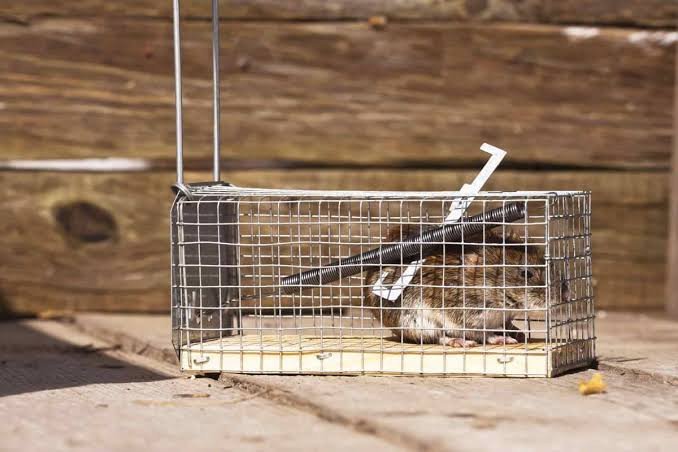
Squirrel removal from a home involves trapping the animals using live traps placed near the entry points placed on the roof or near the entry point. Most states have laws requiring that squirrels be trapped alive and relocated rather than killed during removal. A wildlife control professional sets the traps carefully, checks them daily, and removes captured squirrels for relocation. The trapping process typically takes one to two weeks.
Exclusion work to seal entry points is the most important part of any squirrel removal service. The entry holes in the roof or soffit must be sealed with heavy-duty materials like galvanized steel mesh or metal flashing. Squirrels have strong teeth and can chew through wood, plastic, and soft metal materials, so the repair must be done with materials they cannot gnaw through. Exclusion costs $200 to $500 and is essential for preventing future infestations.
Damage repair is often needed after squirrels are removed. Squirrels chew electrical wires, which creates a fire hazard. They also contaminate insulation with urine and droppings. Repairing chewed wires costs $100 to $300. Replacing contaminated insulation costs $500 to $1,500 depending on the area affected.
Raccoon Removal Cost
Professional raccoon removal from attics costs $300 to $800 for a single animal or a mother with young babies present. Raccoons are much larger and far more destructive than squirrels when they get into a home. They can tear through roof shingles, wooden soffits, and plastic vents to enter attics and crawl spaces quickly. A raccoon living in your attic is one of the most urgent wildlife situations because of the speed of damage because of the speed at which they cause damage.
Raccoon removal from homes typically involves live trapping by a professional wildlife control operator. The traps are baited with sweet foods like marshmallows, cat food, or fresh fruit that attract raccoons. Raccoons are intelligent animals and may avoid traps that are set incorrectly or poorly hidden or in the wrong location. A professional wildlife technician knows exactly how to place and bait traps for maximum success. Taking raccoons during spring requires special care because mothers may have young babies hidden in the attic that will die if the mother is trapped and removed without also removing the babies first.
Exclusion work to seal entry points for raccoons is more extensive than for smaller squirrels because raccoons are much stronger and can tear through many materials that would stop a squirrel from re-entering. All entry points around the home must be sealed with heavy-gauge galvanized steel or 12-gauge wire mesh for raccoon exclusion. Raccoons can also damage roof shingles and fascia boards, which must be repaired as part of the exclusion work. Exclusion and repair costs $200 to $500.
A wildlife control specialist with 20 years of experience explained: “Raccoons are the most destructive wild animals we deal with. A raccoon can tear through a roof vent in one night and cause thousands of dollars in damage. The removal is the cheap part — the damage repair is where the cost adds up.”
Bat Removal Cost
Bat removal costs $500 to $2,000 for a typical colony. Bats are protected in many states, and their removal is regulated by law. Bat removal cannot be done during the summer months in many states because that is the maternity season when young bats cannot fly.
Bat removal from homes uses a completely different approach than removing other types of wildlife. Instead of trapping and removing bats by hand, the colony is excluded using specialized one-way exclusion devices. A mesh cone or tube device is installed over the entry point that allows bats to fly out but prevents them from coming back inside. The exclusion devices are left in place for several days until all bats in the colony have left the structure. After all the bats have left the building, the entry points are permanently sealed to prevent re-entry.
Guano cleanup from bat droppings is a significant part of the total bat removal cost for any home. Bat droppings can accumulate in large quantities in attics and contain a dangerous fungus that causes the respiratory disease histoplasmosis, a respiratory disease. Professional cleanup of accumulated bat guano in an attic costs $500 to $3,000 depending on the amount of droppings and the area affected. In some cases, the insulation must be removed and replaced.
Special bat removal permits are required by law in most states for wildlife control professionals. A licensed wildlife control professional handles the state permit application process and ensures compliance with state and federal laws. The cost of the permit is typically included in the removal quote.
Opossum, Groundhog, and Snake Removal Cost
Removing an opossum from a home or property typically costs $200 to $500 for professional service. Opossums are generally solitary animals that do not cause major structural damage to homes like raccoons. They are most commonly found hiding in crawl spaces, under decks, and inside garages near homes. Removal of opossums involves live trapping by a professional and relocation to a suitable habitat. Exclusion is simpler than for squirrels or raccoons because opossums are not strong chewers. Sealing the entry point with hardware cloth is usually sufficient.
Removing a groundhog from under a shed, deck, or foundation costs $200 to $500 for professional service. Groundhogs create burrow systems under sheds, decks, and building foundations on properties. Their extensive burrow tunnels can undermine the foundation of a structure over time and cause settling or cracking of the foundation walls and floor. Live trapping by a professional is the most effective groundhog removal method available. The burrow tunnels must be properly filled and the area around the foundation reinforced with hardware cloth to prevent re-infestation.
Professional snake removal from a home costs $200 to $600 depending on the species and location. Snakes enter homes through small cracks in the foundation, gaps around plumbing pipes, and open doors left unattended. Most snakes that are found inside homes are non-venomous species and can be safely removed by hand by a professional. Venomous snake species require special handling equipment and training for safe removal. Snake exclusion from the home involves sealing all gaps larger than 1/4 inch around the foundation around the foundation and utility lines.
Frequently Asked Questions
What is the most expensive wildlife to remove from a home?
Bat colonies are most expensive at $500 to $2,000. The cost includes exclusion devices, guano cleanup, insulation replacement, and permits.
Does homeowners insurance cover wildlife removal?
Homeowners insurance does not cover wildlife removal. It may cover damage repair from chewing, but the removal cost is the homeowner responsibility.
What is the cheapest animal to remove from a home?
Opossums and squirrels are cheapest at $200 to $500. They are easier to trap and cause less damage than raccoons or bats.
What factors affect wildlife removal cost the most?
The animal species is the biggest factor. The infestation size, accessibility of the animal location, time of year, and the amount of exclusion and damage repair needed also affect the total cost.
Can I remove wildlife myself to save money?
DIY wildlife removal is not recommended. Many animals require permits for trapping and relocation. Improper handling can result in injury to yourself or the animal. Professional removal ensures the animal is handled legally and humanely.
Do wildlife removal services come with a warranty?
Most wildlife services offer a warranty for return visits. The warranty covers re-exclusion but not damage from a different kind of animal.
Is exclusion included in wildlife removal cost?
Exclusion is often quoted separately from removal. Some companies include basic exclusion in the removal price. Others charge extra for sealing entry points. Always ask whether the quote includes exclusion work when getting estimates.
How much does wildlife damage repair cost?
Damage repair costs $100 to $3,000 depending on the extent. Wire chewing costs $100 to $300. Insulation replacement costs $500 to $2,000. Structural repair from raccoons or groundhogs costs $500 to $3,000 or more.