If your air conditioner is running but the thermostat will not reach the number you set, the system is telling you something useful: cooling is happening too slowly, stopping too early, or not happening at all. The cause may be simple, like a clogged filter or blocked return, but it can also point to low refrigerant, a frozen coil, duct leakage, or a failing outdoor component.
The short answer to why is my ac not cooling to set temp? is this: the system is usually losing performance through airflow, heat transfer, thermostat accuracy, system capacity, or heat gain in the house. The best fix depends on which part of that chain is failing.
Below is a practical homeowner-first diagnostic path. It starts with safe checks you can do in a few minutes, then moves into the problems that need an HVAC technician.
Quick Diagnosis: Match the Symptom First
If you are searching why is my ac not cooling to set temp?, start by matching the symptom instead of jumping straight to refrigerant or compressor failure. The table below helps separate simple homeowner checks from problems that need tools.
| What you notice | Likely causes | Best first check |
|---|---|---|
| AC runs constantly but stays 2 to 5 degrees above set temp | Dirty filter, high outdoor heat, duct leakage, low refrigerant, undersized system | Filter, vents, outdoor unit, supply-air temperature |
| Air is moving but does not feel cold | Outdoor unit problem, low refrigerant, dirty coil, compressor or capacitor issue | Check whether the outdoor fan and compressor are running |
| Airflow is weak throughout the house | Clogged filter, blocked return, blower problem, frozen evaporator coil | Replace filter and inspect for ice |
| One or two rooms stay hot | Duct imbalance, duct leaks, sun exposure, poor insulation | Compare airflow room by room |
| AC cools at night but not afternoon | Heat gain, attic heat, extreme weather, dirty condenser, capacity limit | Check outdoor temperature, shade, attic, and condenser coil |
| Thermostat seems wrong | Bad thermostat placement, dead batteries, calibration issue, schedule setting | Compare with a separate room thermometer |
First, Make Sure the Thermostat Is Not Fooling You
Before assuming the AC is broken, confirm the thermostat is set to Cool and the target temperature is below the current room temperature. Set the fan to Auto, not On. When the fan is set to On, the blower may keep moving air even when the outdoor unit is not actively cooling, which can make the system feel like it is running without lowering the temperature.
Thermostat location matters too. A thermostat near direct sun, a kitchen, a lamp, a TV, a supply vent, or an exterior door can read the home incorrectly. If it reads cooler than the room, the AC may stop early. If it reads hotter than the rest of the house, the AC may run for hours while the main living space still feels uneven.
If your thermostat uses batteries, replace them. If it has a schedule, temporary hold, eco mode, or smart recovery feature, check that it is not overriding the temperature you think you set.
Dirty Air Filters Are Still the Most Common Easy Fix
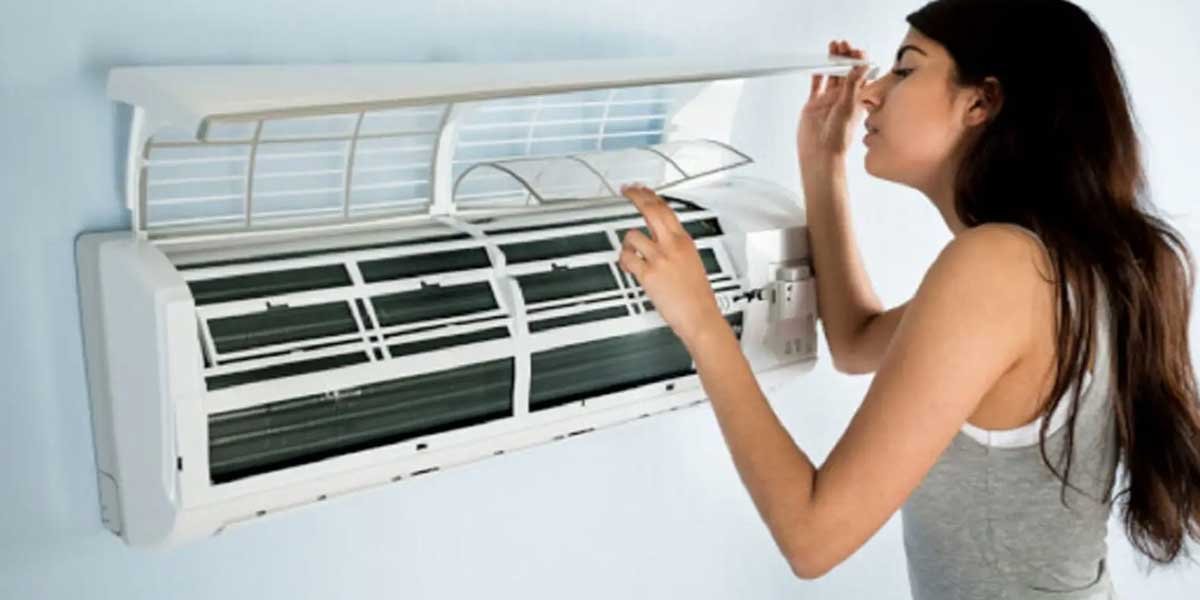
A dirty filter restricts airflow across the evaporator coil. Less airflow means less heat gets removed from the house, longer run times, weaker vent output, and a higher chance of coil freezing. This is why a filter can look like a small maintenance item but create a whole-house cooling problem.
Pull the filter and hold it up to a light. If you cannot see much light through it, replace it. Use the correct size and type for your system. A very high-MERV filter can improve filtration in some homes, but if your blower and ductwork are not designed for the extra resistance, it can reduce airflow and make cooling worse.
For many homes, every one to three months is a reasonable replacement rhythm. Homes with heavy AC use, dust, construction, pets, or allergy filters may need shorter intervals.
Blocked Vents and Returns Can Make a Good AC Look Weak
Your AC needs a complete air loop: warm air returns to the indoor unit, heat is removed at the coil, and cooled air is delivered back through the supply vents. If that loop is blocked, the system cannot move enough heat out of the home.
Walk through the house and check supply registers. Make sure they are open and not covered by furniture, rugs, curtains, or storage. Then check return grilles, especially the large central returns. A blocked return can reduce airflow through the entire system.
Do not use closed vents as a main strategy for cooling other rooms. Closing too many vents can raise duct pressure, worsen duct leakage, and reduce efficiency. If one room always stays hot, the better answer is usually duct balancing, duct repair, insulation, shading, or a zoning solution.
Check the Outdoor Unit: It Has to Dump the Heat Somewhere
The outdoor condenser releases the heat your AC pulled from inside the house. If the coil is packed with grass clippings, leaves, lint, dust, or cottonwood fluff, heat transfer drops. The system can run normally and still fail to reach the set temperature.
Keep vegetation, stored items, fencing, and debris away from the outdoor unit. Shut off power before cleaning around the equipment. You can gently rinse loose dirt from the condenser coil with a garden hose, but avoid pressure washing because it can bend the fins and damage components.
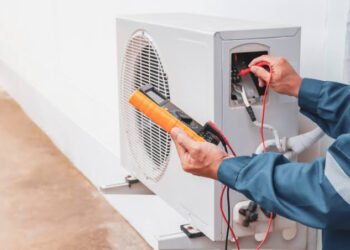
If the outdoor fan is not spinning while the thermostat is calling for cooling, or if you hear buzzing, humming, or clicking, shut the system off and call a technician. Electrical parts in AC equipment can be dangerous.
Use the Temperature Split Test Before Guessing
One simple clue is the temperature difference between return air and supply air. Many central AC systems produce supply air about 15 to 20 degrees Fahrenheit cooler than the return air under normal conditions, a range also reflected in general air-conditioner maintenance guidance from the U.S. Department of Energy. This is not a perfect rule, because humidity, airflow, equipment type, and outdoor conditions affect the number, but it is useful for triage.
For example, if the return air is 78 degrees and the supply air is around 58 to 63 degrees, the system is at least removing heat. If the house still will not reach the set temp, look harder at duct leakage, insulation, heat gain, room balance, or equipment sizing. If the supply air is only a few degrees cooler than the return air, suspect a performance issue such as low refrigerant, dirty coils, compressor trouble, or severe airflow restriction.
Reddit Homeowners Ask the Same Diagnostic Questions
Community discussions are useful because they show how the problem sounds before it becomes a clean service-ticket diagnosis. Homeowners often describe the AC as running, the thermostat as normal, and the air as only mildly cool. That language is important because it points to measurement, not guesswork.
“My AC started acting up this week it’s running, but the air coming out isn’t really cold anymore.”
– r/hvacadvice, October 2025 (2 upvotes)
That kind of symptom should push you toward two checks: whether the outdoor unit is truly running and whether the supply-air temperature is meaningfully lower than return air.
“capacitor, airflow, restricted or low refrigerant”
– r/hvacadvice, October 2025 (1 upvotes)
That short list lines up with what a technician would usually separate first: electrical starting parts, airflow, restriction, and refrigerant charge. The homeowner version is not to diagnose refrigerant yourself. It is to rule out the safe basics before paying for deeper testing.
A Frozen Evaporator Coil Can Stop Cooling Fast
If the indoor evaporator coil gets too cold, moisture can freeze on it. Once ice builds up, airflow drops and heat transfer gets worse. The AC may work for a while, then fade until the vents barely move air.
Common causes include a dirty filter, blocked return air, blower problems, a dirty evaporator coil, or low refrigerant. Signs include weak airflow, water around the indoor unit after thawing, ice on the refrigerant line, and cooling that improves after the system has been off for a while.
If you suspect a frozen coil, turn cooling off and let the system thaw. You can use fan-only mode to help move air across the coil. Do not chip at the ice. After thawing, replace a dirty filter and clear airflow restrictions. If the coil freezes again, call for service.
Low Refrigerant Usually Means a Leak
Refrigerant is not fuel, and a healthy sealed system should not simply use it up. If refrigerant is low, the system usually has a leak or was charged incorrectly. Low refrigerant can cause warm supply air, long run times, frozen coils, hissing sounds, and compressor stress.
This is not a DIY repair. Refrigerant work requires proper tools, training, and certification. A technician should locate the leak, repair it when practical, verify the charge, and test system performance. Recharging without fixing the underlying problem can turn into a repeat expense and may shorten compressor life.
The Compressor, Capacitor, or Contactor May Be Failing
Sometimes the indoor fan runs but the outdoor unit is not cooling. You may feel air from the vents, but it is close to room temperature because the compressor is not starting, the condenser fan is not running, or the outdoor unit is not receiving proper power.
A failing capacitor can cause buzzing or humming while the fan or compressor struggles to start. A contactor can fail to send power. A condenser fan motor can stop removing heat from the outdoor coil. A compressor can fail electrically or mechanically. These are technician-level repairs, not homeowner trial-and-error items.
Duct Leaks Can Waste Cold Air Before It Reaches the Rooms
If ducts run through an attic, crawl space, garage, or basement, leaks can dump cooled air into the wrong place. The thermostat keeps calling for cooling because the living space is not receiving the air the system already paid to cool.
Signs include rooms that never cool properly, high utility bills, dusty supply air, weak airflow in distant rooms, and hot attic or crawl-space smell from vents. Duct sealing and duct insulation can have a major impact in older homes or homes where ducts have been disturbed by renovations or previous repairs.
The AC May Be Undersized, Oversized, or Facing Too Much Heat Gain
If the AC has always struggled during hot afternoons, capacity may be part of the issue. An undersized system may not keep up during peak heat. An oversized system can also create comfort problems because it may cool quickly, shut off too soon, and fail to remove enough humidity.
Correct sizing is not based only on square footage. A proper load calculation considers insulation, windows, ceiling height, sun exposure, duct design, air leakage, climate, and internal heat sources. If you are replacing the system, ask for a Manual J load calculation rather than simply matching the old unit.
Sometimes the equipment is not the only issue. A house with poor attic insulation, large west-facing windows, air leaks, or unshaded glass may gain heat faster than the AC can remove it. Closing blinds during direct sun, using ceiling fans for comfort, sealing air leaks, improving attic insulation, and avoiding oven use during peak heat can help the system hold the set temperature.
Is It Normal for AC to Miss the Set Temperature During Extreme Heat?
Sometimes, yes. On unusually hot days, a healthy AC may run for long periods and still sit a few degrees above the thermostat setting, especially if the home has weak insulation or high sun exposure. That does not automatically mean the system is broken.
The key distinction is pattern. If the AC only struggles during extreme afternoon heat, capacity and heat gain may be the story. If it struggles in mild weather, blows barely cool air, freezes up, or suddenly performs worse than last week, treat it as a system problem.
Safe Homeowner Checklist
Before calling for service, run through the safe checks below. They will not solve every AC problem, but they can prevent you from paying for a visit caused by a blocked vent, a dirty filter, or a thermostat setting.
- Confirm the thermostat is set to Cool.
- Set the fan to Auto.
- Replace a dirty filter.
- Open supply vents and clear return grilles.
- Check whether the outdoor unit runs during a cooling call.
- Clear debris around the condenser.
- Look for ice on refrigerant lines or the indoor coil area.
- Measure return and supply air temperature if you have a thermometer.
- Note whether the problem affects the whole house or only certain rooms.
When to Call an HVAC Technician
Call a professional if basic thermostat, filter, vent, and condenser checks do not explain the problem. You should also call if you see ice, hear buzzing, smell burning, notice water around the indoor unit, suspect refrigerant trouble, or find that the outdoor unit is not running while the thermostat calls for cooling.
A good service visit should include measurements. Expect checks such as temperature split, airflow, static pressure, capacitor readings, refrigerant charge, coil condition, blower operation, duct leakage, and thermostat accuracy. Those measurements matter because several different failures can produce the same symptom: an AC running but not cooling to the set temperature.
Maintaining a comfortable environment throughout the home is essential when investing in high-end materials like natural stone. While these stone features provide significant aesthetic value, homeowners often consider how various systems support the overall longevity of their interiors. Consistent temperature and humidity management can help protect delicate finishes from environmental shifts over time. For those interested in specialized climate maintenance for their property, you can view it now to see how professional services support a balanced indoor atmosphere. Keeping these supporting systems in good condition ensures that every design element remains as striking and durable as intended.
Maintaining a functional home often requires balancing various systems that contribute to overall comfort and safety. While bathroom updates focus on daily usability and moisture control, keeping other essential utilities in good condition is just as important for a well-run household. Homeowners who prioritize seasonal check-ups can often catch small issues before they require major work. For those living in different regions, staying proactive with climate control systems can prevent unexpected breakdowns. This includes basic tasks like changing air filters or seeking out furnace repair Kennett Square to ensure everything is operating efficiently before colder weather arrives. Taking these simple steps supports a more reliable and comfortable living environment throughout the year.
FAQ
Why is my ac not cooling to set temp?
Your AC may not be cooling to the set temperature because airflow is restricted, the condenser is dirty, refrigerant is low, the evaporator coil is frozen, ductwork is leaking, the thermostat is misreading the home, or outdoor heat is exceeding the system’s practical capacity.
Why does my AC run all day but not reach the thermostat setting?
The most common causes are restricted airflow, a dirty condenser, duct leakage, low refrigerant, frozen coils, high outdoor heat, poor insulation, or equipment sizing problems. Start with the filter, vents, thermostat, and outdoor unit before assuming a major repair.
Does lowering the thermostat make the AC cool faster?
No. Most central AC systems cool at the same rate regardless of whether you set the thermostat a few degrees lower. Lowering the setting usually just makes the system run longer.
Can a dirty air filter keep AC from reaching the set temp?
Yes. A clogged filter reduces airflow, limits heat removal, increases run time, and can contribute to a frozen evaporator coil.
Why is my AC cooling at night but not during the day?
Daytime sun, attic heat, high outdoor temperatures, and internal heat loads can exceed what the system can handle. Dirty coils, low airflow, or low refrigerant can make the daytime struggle worse.
What temperature should air from AC vents be?
Many systems deliver supply air about 15 to 20 degrees cooler than return air. If the difference is much smaller, the system may have an airflow, refrigerant, coil, or compressor issue.
Maintaining a comfortable environment throughout the home is just as important as the aesthetic choices made during a renovation. While a marble tub adds a sense of luxury and permanence, the overall atmosphere of the bathroom depends on reliable climate control to manage humidity and temperature. For homeowners in warmer climates, ensuring that cooling systems are functioning efficiently supports a pleasant indoor experience year-round. If you notice that your system is struggling to maintain a consistent temperature, seeking professional ac repair near me can help restore comfort and protect the longevity of your interior finishes. Maintaining balanced airflow is a practical way to preserve the serene environment created by high-end materials.
Bottom Line
If you are asking, why is my AC not cooling to set temp, do not start by guessing at expensive parts. Start with airflow, thermostat settings, condenser clearance, and a basic temperature-split check. If those do not explain the issue, the next suspects are refrigerant, frozen coils, electrical components, duct leakage, equipment sizing, or excessive heat gain.
The goal is not to diagnose every HVAC problem yourself. The goal is to separate the simple fixes from the problems that need instruments, training, and safe electrical or refrigerant work.
Maintaining a functional home often requires balancing various systems to ensure a comfortable living environment throughout the seasons. While updating high-use areas like the bathroom is a priority for many families, keeping up with seasonal mechanical needs is equally important for overall household management. During the colder months, a well-maintained heating system is necessary for a cozy interior. Homeowners in the region may find that professional furnace repair Grants Pass helps keep these systems running smoothly when temperatures drop. Addressing small mechanical issues early on can help maintain indoor warmth and contribute to a more efficient home, allowing you to enjoy your newly renovated spaces without the distraction of inconsistent heating.
Beyond the visual appeal of these natural surfaces, maintaining a consistent indoor climate is essential for preserving the integrity of high-end bathroom materials. Fluctuations in temperature and humidity can affect the longevity of stone features, making the performance of your climate control system a vital consideration during any home upgrade. Ensuring that your ventilation and cooling units are functioning correctly supports a stable environment that protects your investment over time. For property owners looking to maintain these standards, working with experienced teams like Orem Heating and Air Pros helps ensure that all mechanical systems operate efficiently to support long-term home comfort.
While updating interior spaces is a primary focus of these property upgrades, ensuring structural comfort through reliable temperature control is just as essential. Homeowners often look for dependable climate systems to protect their investments. Investing in experienced support from a professional service team in Magnolia can improve indoor conditions and help maintain long-term property value.